Nigeria stands at a critical juncture in its economic development, 66 years after gaining independence. Decades of reforms have laid the groundwork for a new phase of growth, focused on translating reforms into tangible outcomes such as productivity, investment, jobs, and improved living standards. The country's reform experience extends beyond privatization, encompassing a broader approach that includes policy development, legislative enactment, and institutional strengthening.
The telecommunications sector serves as a prime example of Nigeria's successful reform efforts. The industry has transformed from a government-dominated monopoly with fewer than 500,000 active telephone lines in the late 1990s to a competitive digital market with over 200 million active lines. This transformation was achieved through a comprehensive approach involving policy and legal reform, institutional strengthening, liberalization, licensing, and private investment.
The power sector has also undergone significant reforms, following a similar path. The reforms involved policy development, legislation, and the creation of regulatory and market institutions. The Electricity Act 2023 represents another milestone in this process, providing a framework for greater participation by subnational governments. These experiences highlight the importance of reform as a continuous process of redesigning institutions and markets to respond to economic realities.
To achieve sustained and inclusive growth, Nigeria must create an environment that fosters efficient capital deployment, enterprise scaling, and infrastructure support for production. This requires several key shifts, including measuring reform success by outcomes rather than just transactions. The focus should be on increasing investment, improving productivity, and expanding employment opportunities.
The IMF's 2026 assessment emphasizes the need for infrastructure and electricity-sector reform to stimulate private investment and raise productivity. Nigeria's recent macroeconomic reforms have created a foundation for this next phase, but stabilization alone will not deliver transformation. The World Bank notes that the country must convert improved macroeconomic stability into sustained and inclusive improvements in livelihoods.
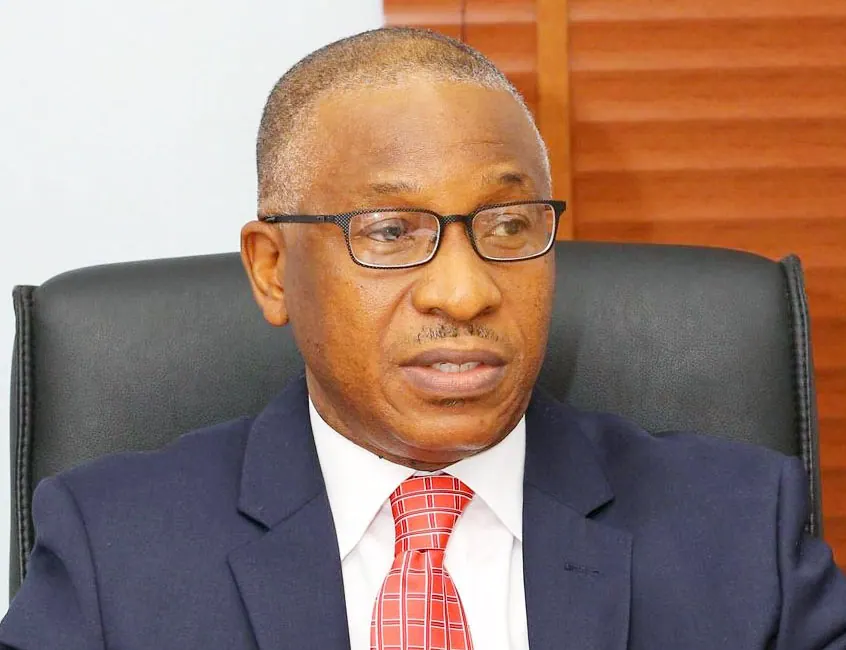
Alex Okoh, an investment banker and finance expert, highlights the need for a new generation of reforms focused on productivity and competitiveness. He emphasizes that the next phase of reform should not be defined by government ownership or privatization, but by how effectively Nigeria's institutions, markets, infrastructure, and capital combine to create productive enterprises and better opportunities for its people.
As Nigeria looks to the future, the opportunity lies in building on past lessons without being constrained by previous reform models. The transition from reform to results will require a sustained effort to create an environment that rewards innovation and productivity. With the right approach, Nigeria can unlock its full potential and create a brighter future for its citizens.
Key points
- Nigeria must focus on translating reforms into tangible outcomes such as productivity, investment, jobs, and improved living standards.
- The country's next generation of reforms should focus on productivity and competitiveness.
- Infrastructure and electricity-sector reform are crucial to stimulating private investment and raising productivity.