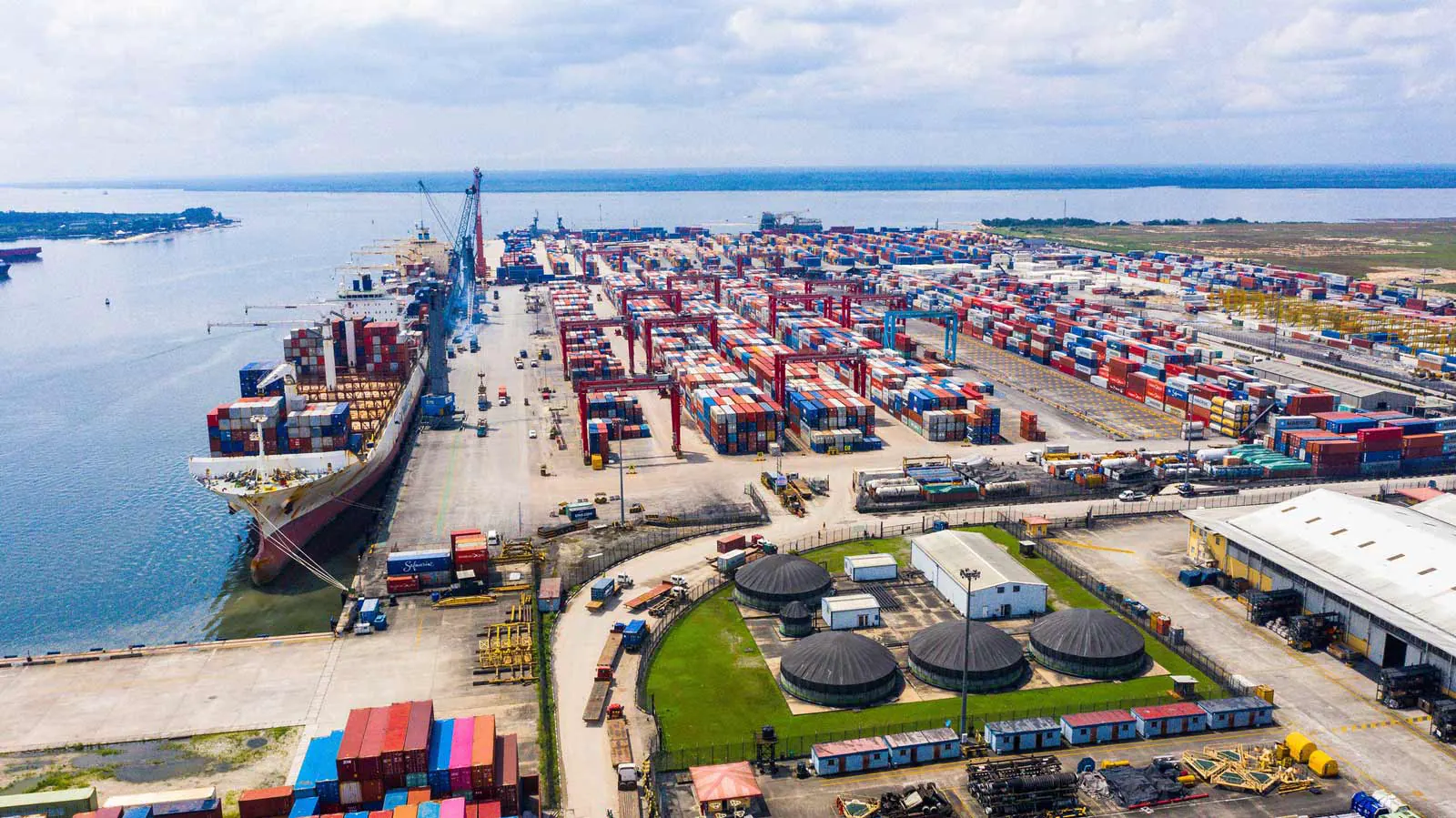
The Nigerian federal government has given the green light for the comprehensive modernisation and upgrade of four key ports in the South-South region: Onne, Rivers, Delta, and Calabar. This move aims to enhance the country's maritime capacity and alleviate the heavy cargo traffic currently concentrated around Lagos. The Minister of Marine and Blue Economy, Adegboyega Oyetola, announced the approval on his official social media account.
According to Minister Oyetola, the upgrade is part of a broader strategy to modernise and expand Nigeria's maritime infrastructure. This initiative follows earlier decisions to upgrade the Apapa and Tin Can Island ports in Lagos. By extending the programme to the South-South region, the government seeks to create additional gateways for international trade, contributing to a more balanced and efficient national port system.
The upgrade of these four ports is expected to bring significant improvements in cargo handling, reduce vessel turnaround times, and strengthen regional connectivity. These ports play strategic roles in Nigeria's trade, industrial, and regional development, and upgrading them will enable them to meet the demands of a growing economy. The expansion beyond Lagos will complement ongoing investments in existing ports while reducing congestion.
The modernisation programme is part of a dual approach by the government, which includes upgrading existing ports and facilitating the development of new deep-seaports. Minister Oyetola emphasised that this comprehensive approach will expand Nigeria's maritime capacity, create stronger economic corridors, and position the country as a major maritime and logistics hub in Africa.
The approval comes after years of calls for the revival of ports in the Niger Delta region. In August, Delta State Governor Sheriff Oborevwori urged the federal government to revive several ports in the region, citing the potential for job creation, trade stimulation, and economic growth. Similarly, Calabar Port has faced longstanding challenges, including a dredging project that has been stalled due to disputes.
The upgrade of these ports aligns with President Bola Tinubu's infrastructure renewal and economic diversification agenda. Minister Oyetola highlighted the importance of modern ports in achieving this vision, which aims to create an integrated maritime and logistics system. The government seeks to enable the seamless movement of cargo, reduce the time and resources spent by businesses, and attract investment.
The Ministry of Marine and Blue Economy will collaborate with state governments, terminal operators, investors, shipping companies, and other stakeholders to ensure the project's success. With Nigeria's geography, market, and maritime resources, the government is confident that it can become a leading maritime hub, and the upgrade of these ports is a significant step towards achieving this goal.
Key points
- The upgrade aims to improve cargo handling and reduce vessel turnaround times.
- The modernisation programme includes the development of new deep-seaports.
- The project aligns with President Bola Tinubu's infrastructure renewal and economic diversification agenda.