Nigeria was among the countries worst hit by cholera globally in 2025, with 548 deaths recorded from 24,354 reported cases. The World Health Organisation (WHO) reported that worldwide deaths from the preventable disease rose by about 30 per cent. This surge in cholera cases and deaths has raised concerns about the effectiveness of current prevention and treatment measures.
According to WHO's latest global disease surveillance report, 7,870 people died from cholera in 2025, the highest annual toll reported to the organisation since 1999. A total of 451,499 cases were recorded across 47 countries. Nigeria, Angola, Bangladesh, Democratic Republic of the Congo, South Sudan, Sudan, and Yemen accounted for about 90 per cent of reported cholera cases and deaths worldwide.
Africa recorded the sharpest deterioration, with cases increasing by 34 per cent and deaths rising by 58 per cent compared with 2024. WHO warned that the actual burden could be higher because many cases and deaths go unreported. The organisation attributed the rise in cholera cases to a lack of access to safe water, sanitation, and hygiene.
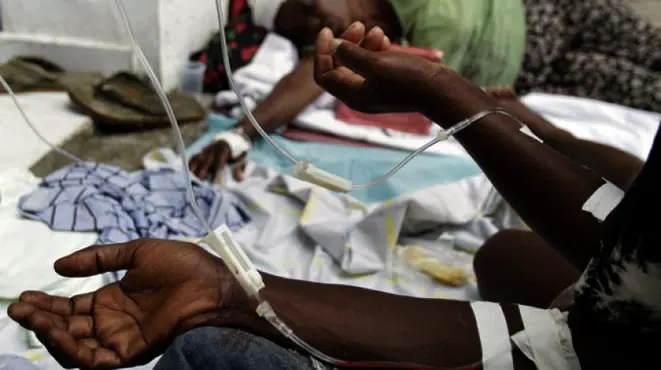
Cholera is caused by Vibrio cholerae, a bacterium spread mainly through food and water contaminated with faeces. It can cause severe diarrhoea and rapid dehydration and may kill within hours if treatment is delayed. More than one in five reported cholera deaths in 2025 occurred outside health facilities, raising concern that many patients failed to receive treatment early enough.
Among patients treated in health facilities, the global case fatality rate remained below one per cent, although 12 countries recorded fatality rates above that benchmark. WHO's Executive Director, Health Emergencies Programme, Dr Chikwe Ihekweazu, expressed concern about the rising death toll, stating that it was unacceptable given the availability of effective prevention and treatment measures.
Dr Ihekweazu said the concentration of cases and deaths in a small number of countries showed where investments in safe water, sanitation, and hygiene could have the greatest impact. WHO also called for stronger disease surveillance, community engagement, vaccination, and wider access to quality healthcare. The organisation reported progress in cholera vaccination, with global production of oral cholera vaccines more than doubling from about 30 million doses annually in 2022 to approximately 80 million in 2025.
The rising cholera cases and deaths have prompted WHO to urge countries to invest in prevention and treatment measures. The organisation emphasised the need for improved access to safe water, sanitation, and hygiene, as well as stronger disease surveillance and community engagement. By taking these steps, countries can reduce the burden of cholera and prevent unnecessary deaths.
Key points
- Nigeria recorded 548 cholera deaths in 2025, as global fatalities rose 30%, with 7,870 deaths reported worldwide.
- Africa recorded the sharpest deterioration in cholera cases, with a 34% increase, and deaths, with a 58% rise, compared to 2024.
- WHO reported progress in cholera vaccination, with global production of oral cholera vaccines more than doubling to approximately 80 million doses in 2025.