Nigeria has recorded the strongest improvement among African economies in a new ranking of the continent's most investable markets. The country climbed four places to eighth in the 2026 Bloomberg Economics Investment Risk-O-Meter. This is according to the latest edition of An Investor's Guide to Africa. Nigeria overtook Rwanda, Tanzania, Kenya, and Namibia after posting gains in three of the five metrics tracked by the gauge: economic strength, fiscal strength, and external vulnerability.
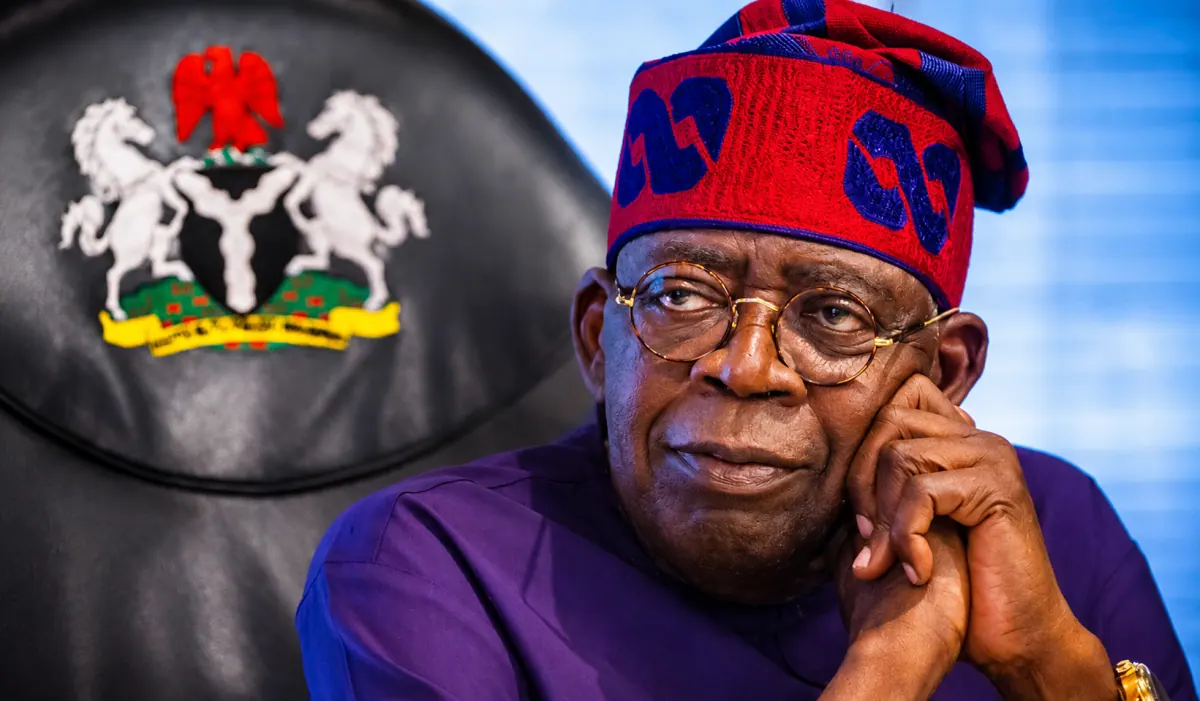
The advance reflects the impact of President Bola Tinubu's economic reforms since he took office in 2023. Tinubu has removed a costly gasoline subsidy, liberalized the foreign-exchange market, and introduced electricity tariffs designed to reduce chronic losses in the power sector. These reforms have helped strengthen Nigeria's position relative to peers. However, the country continues to grapple with inflation, currency volatility, and infrastructure constraints.
The Risk-O-Meter assesses markets on a combination of economic fundamentals, fiscal health, external resilience, and other risk factors that matter to foreign investors. Analysts note that the subsidy removal and exchange-rate liberalization, while politically sensitive and initially inflationary, have improved fiscal transparency and reduced pressure on foreign reserves. This has contributed to Nigeria's improved ranking.
The new electricity tariffs form part of broader efforts to attract private capital into the power sector and curb state-backed losses that have long drained public finances. Nigeria's rise comes as investors weigh opportunities across Africa amid global shifts in capital flows. The Bloomberg ranking is closely watched by portfolio managers and development-finance institutions seeking clearer signals on relative risk and reform momentum.
Tinubu's administration has framed the measures as necessary to restore macroeconomic stability and unlock growth after years of subsidized energy prices and a tightly controlled currency regime. The administration believes these reforms will have a positive impact on the economy in the long term. However, with elections approaching, the sustainability of the reforms and their impact on living costs remain central issues for voters and markets alike.
The impact of Tinubu's reforms on the economy has been a subject of discussion among analysts and policymakers. While some have expressed concerns about the short-term effects of the reforms, others believe they are necessary for long-term growth. The Nigerian government is seeking to attract private capital into the power sector and other areas of the economy.
Nigeria's improved ranking in the Bloomberg Economics Investment Risk-O-Meter is a positive development for the country. It reflects the progress made in implementing economic reforms and improving the business environment. The government will need to continue implementing reforms and addressing challenges to sustain this progress and attract more investment into the economy.
Key points
- Nigeria climbed four places to eighth in the 2026 Bloomberg Economics Investment Risk-O-Meter.
- President Bola Tinubu's economic reforms have contributed to Nigeria's improved ranking.
- The reforms have improved fiscal transparency and reduced pressure on foreign reserves.