Nigeria bears a significant burden of maternal mortality, accounting for 29% of global maternal deaths. According to the 2024 National Demographic and Health Survey (NDHS), approximately 68,000 women die annually from pregnancy-related complications out of an estimated 20 million deliveries in the country. This crisis highlights the need for urgent attention and action to address the high maternal mortality rates in Nigeria.
The United Nations Population Fund (UNFPA) Gender/Reproductive Health Specialist, Musa Elisha, emphasized that most maternal deaths in Nigeria are caused by preventable clinical conditions. These conditions include Postpartum Hemorrhage, Preeclampsia and Eclampsia, Sepsis, unsafe Abortion, Obstetric Embolism, and other conditions such as malaria, HIV, diabetes, and hepatitis. Elisha noted that these conditions heavily compound pregnancy risks, leading to a significant number of maternal fatalities.
Elisha highlighted that maternal mortality rates in Nigeria exhibit clear geographic and social disparities. The northern parts of Nigeria record higher maternal mortality rates, while the South-East and South-West regions have lower figures. He attributed this divide to deep-seated gender inequality, which prevents many pregnant women from making independent decisions to seek medical care, leading to delayed treatment and life-threatening complications.
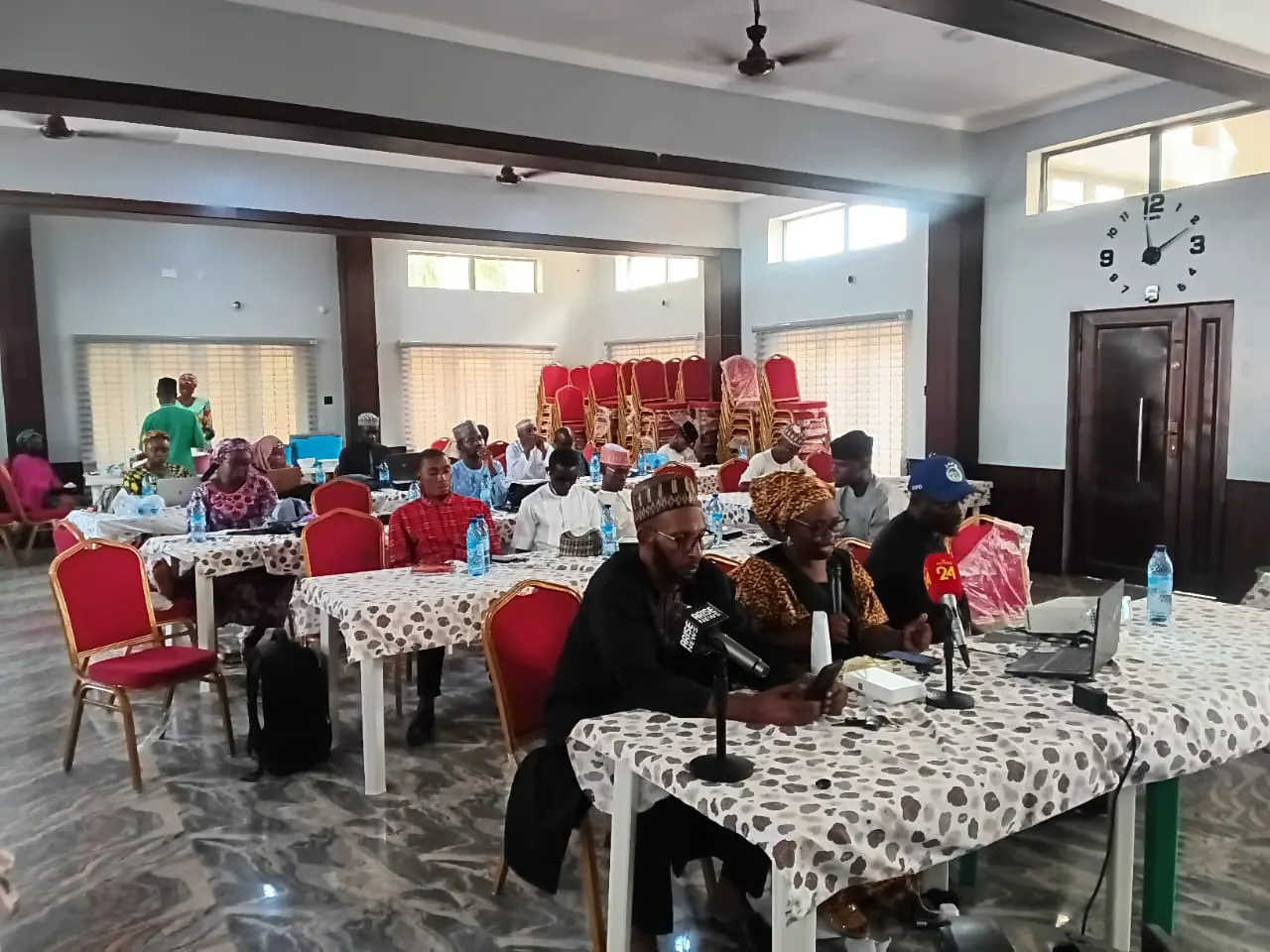
The UNFPA, in partnership with national health centers, is working to address the maternal mortality crisis in Nigeria. Elisha emphasized that the media plays a vital role in reversing these trends by tracking data, showcasing impacts, and ensuring transparency in how donor funds are deployed. He called for a strategic partnership with the media to boost healthcare transparency, drive donor funding, and raise grassroots awareness about maternal health.
Dr. Zubiada Abubakar, a UNFPA Gender/GBV Specialist, challenged the media to look beyond statistics and expose critical gaps in maternal healthcare. She stressed the need for deep investigative reporting on government-funded healthcare programs, including the effectiveness of rural maternal transport schemes. Abubakar also urged journalists to evaluate the actual capacity and operational standards of primary healthcare centers across the country.
The UNFPA is supporting 14 states across Nigeria to expand emergency community-based healthcare access and strengthen the implementation of the Maternal and Perinatal Death Surveillance and Response (MPDSR) framework. Abubakar noted that the program adopts a strict "no name, no blame, no shame" approach, enabling communities and governments to track, review, and prevent maternal fatalities transparently.
The media is encouraged to play a critical role in promoting maternal health in Nigeria by documenting the personal journeys of affected victims and highlighting systemic failures. Journalists are urged to adhere to strict ethical standards, protecting the privacy and dignity of victims and using accurate medical terminologies. The media can help press both state and national governments to increase domestic funding for health insurance and social protection schemes, ultimately reducing maternal mortality rates in Nigeria.
Key points
- Nigeria accounts for 29% of global maternal mortality, with 68,000 women dying annually from pregnancy-related complications.
- Most maternal deaths in Nigeria are caused by preventable clinical conditions such as Postpartum Hemorrhage, Preeclampsia and Eclampsia, and Sepsis.
- The UNFPA is working with national health centers and supporting 14 states to expand emergency community-based healthcare access and strengthen the implementation of the Maternal and Perinatal Death Surveillance and Response framework.