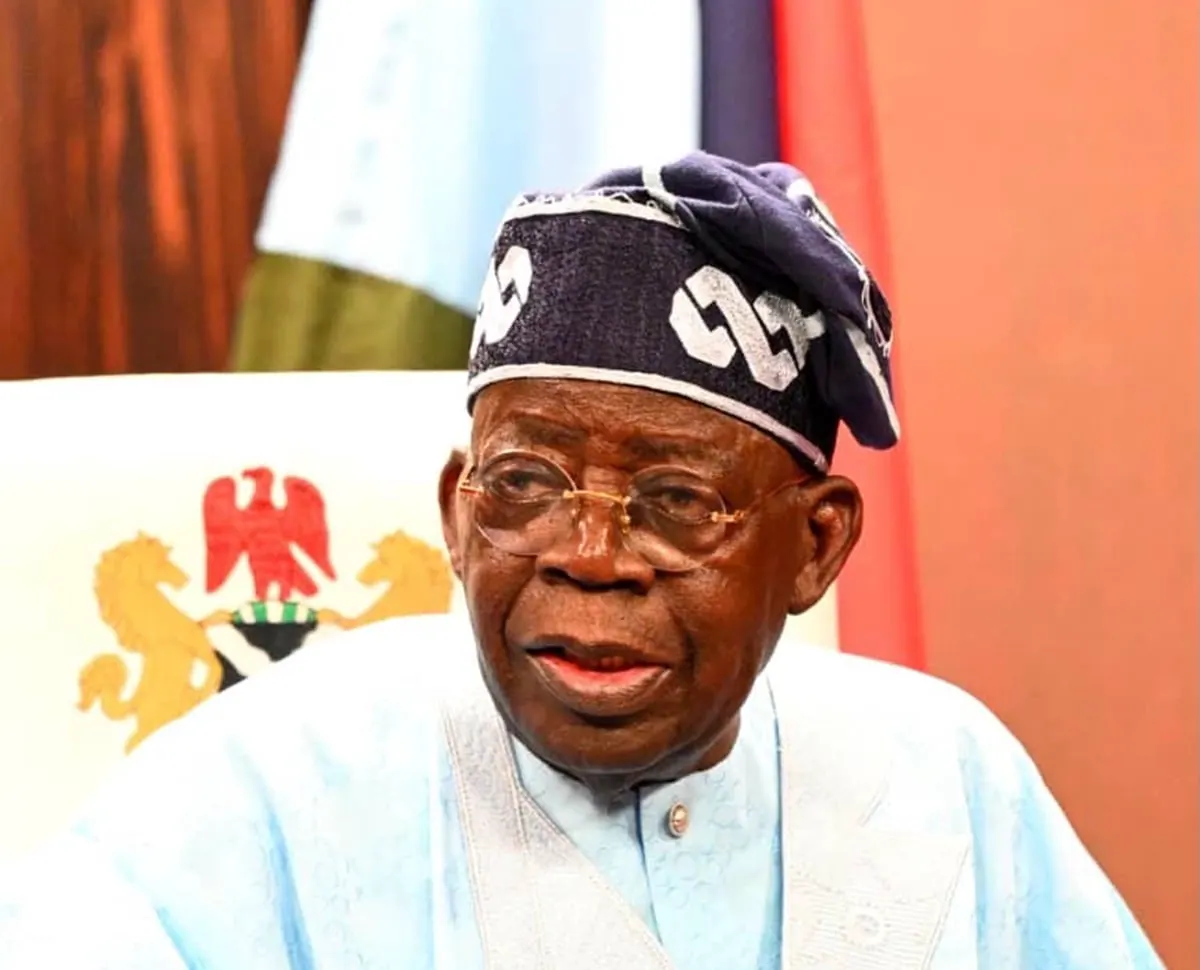
Nigeria marked its 66th Independence Day on October 1, 2026, with President Bola Tinubu declaring that the age of prosperity had begun. This statement sparked mixed reactions from Nigerians, with some expressing optimism and others criticizing the government's handling of the economy and security. Tinubu's address came 66 years after Prime Minister Abubakar Tafawa Balewa's inaugural Independence Day speech, in which he described the day as "great" and "wonderful" and promised that Nigeria would not fall for want of determination.
Balewa's optimism was short-lived, as his government faced a political crisis that eventually led to the first military coup in Nigeria on January 15, 1966. Since then, Nigeria has experienced several military and civilian administrations, with many Nigerians still struggling with insecurity and economic hardship. Despite 27 years of uninterrupted democracy, many Nigerians do not feel independent due to the spate of insecurity and the punishing cost-of-living crisis.
In his 66th Independence Day address, Tinubu acknowledged that millions of Nigerians are struggling to make ends meet, but argued that their circumstances did not begin with his economic reforms. He described his reforms as the "medicine" needed to confront the weaknesses in the economy, but critics say that he shirked responsibility for the plight of those struggling. Tinubu declared victory, stating that Nigeria has corrected its course and is now on the path to prosperity.
Notably absent in Tinubu's address was any mention of the insecurity crisis that critics say has ballooned under his watch. An analysis of data on school abductions shows that there have been at least 14 mass school kidnapping incidents involving more than 700 students and staff in the first three years of Tinubu's tenure. This is compared to three incidents involving at least 120 students during the same period of his immediate predecessor, Muhammadu Buhari's reign.
The insecurity crisis is not limited to students alone, as many Nigerians are still being kidnapped for ransom. On the same day Tinubu gave his optimistic Independence Day speech, parents and families of 19 prospective members of the National Youth Service Corps (NYSC) and others traveling to Akwa Ibom from Ibadan were dejected after learning that their children had been seized for ransom.
Despite the challenges, some Nigerians agree with Tinubu that there is cause for optimism about the future. The president's declaration of the age of prosperity has sparked a renewed sense of hope among some Nigerians, who believe that the government is taking steps to address the country's economic and security challenges.
As Nigeria looks to the future, many are watching to see if the government can deliver on its promises of prosperity and security. With the country still struggling to overcome its challenges, Tinubu's address has sparked a renewed sense of debate about the state of the nation and the way forward.
Key points
- President Bola Tinubu declares that Nigeria has entered an age of prosperity despite ongoing economic and security challenges.
- Nigeria has experienced at least 14 mass school kidnapping incidents involving over 700 students and staff in the first three years of Tinubu's tenure.
- Many Nigerians remain skeptical about the government's ability to address the country's challenges despite Tinubu's optimistic Independence Day address.