As Nigeria celebrates 66 years of independence, the country's housing system continues to face significant challenges. A staggering 14.925 million housing deficit and 15.2 million structurally inadequate homes are a testament to the persistent weaknesses in the system. Despite government intervention and private investment, millions of Nigerians remain without adequate housing. The high cost and soaring rental values have become a major struggle for many in securing safe and affordable accommodation.
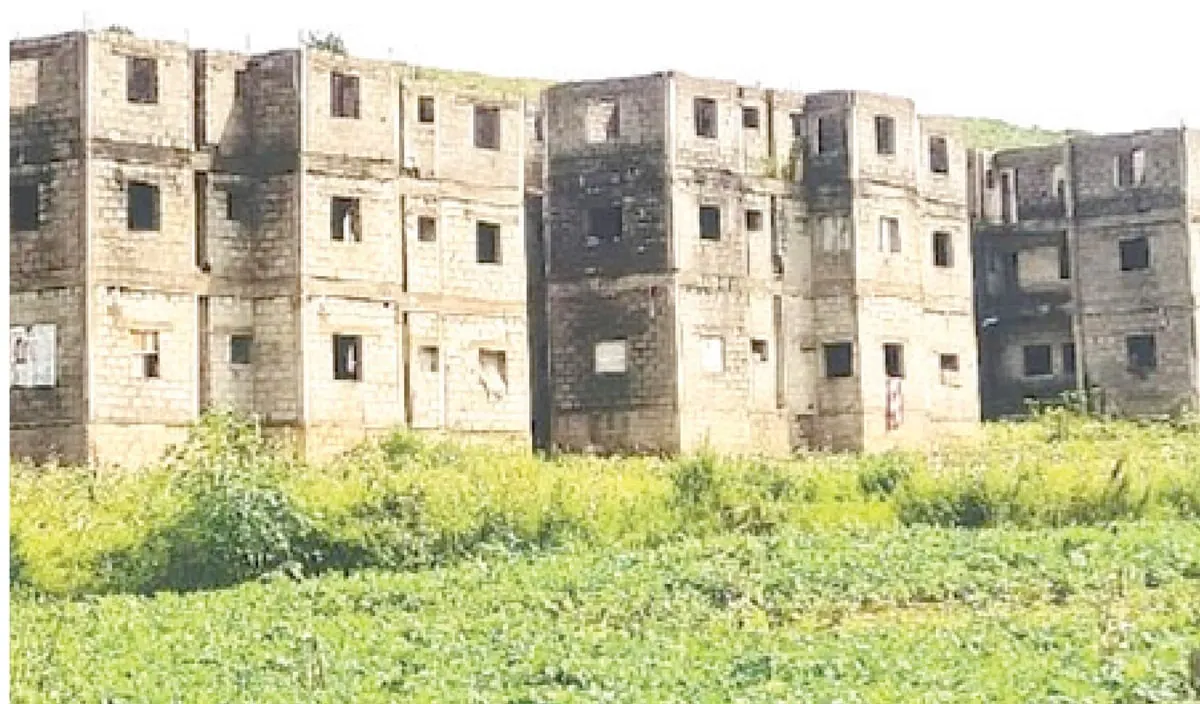
A recent survey by a professional body revealed that about 56,000 public and private projects, valued at trillions of naira, remain abandoned or left incomplete nationwide. This has raised concerns about affordability, building safety, project monitoring, and the failure to turn policy announcements and funding into habitable homes. The Building Collapse Prevention Guild (BCPG) reported at least 679 building collapses, resulting in over 1,639 deaths. Lagos accounts for 50 to 60 percent of reported incidents, while the Federal Capital Territory accounts for more than four percent.
The Lagos State Building Control Agency (LASBCA) identified 759 abandoned buildings across the state's local government areas and local council development areas as of June 20, 2026. The agency's General Manager, Bldr Florence Omolola Gbaye, disclosed this while presenting a statewide assessment at an inter-agency stakeholders' meeting. The assessment classified the structures by construction status, structural condition, duration of abandonment, number of floors, and location. Areas with the highest concentrations of abandoned buildings include Ayobo-Ipaja, Amuwo-Odofin, Ikorodu Central, Ajeromi-Ifelodun, and Lagos Mainland.
The general manager warned that the abandoned buildings pose security, environmental, and public health risks and recommended statutory notices requiring owners to rehabilitate, complete, or lawfully utilize them. The government aims to improve public safety, increase habitable housing, promote sustainable urban development, and enforce laws governing abandoned properties. The BCPG's Ikoyi-Obalende cell also expressed concern about the state of abandonment of the 15-storey Federal Secretariat complex in Ikoyi and adjoining three 12-storey Ikoyi Towers.
The neglect of these high-rise buildings has accelerated structural deterioration, increased rehabilitation costs, and created risks for security personnel, informal users, neighboring residents, and nearby workers. The group appealed to President Bola Tinubu to urgently rehabilitate and adaptively reuse the buildings. The deterioration of these buildings is part of a wider problem involving publicly funded projects, raising questions about monitoring, financial accountability, and government expenditure.
A report by Tracka, BudgIT's civic accountability initiative, identified concerns involving government-funded projects worth billions of naira across several states. The projects examined had a combined allocation of N29 billion, with N8 billion disbursed for projects that began but remained incomplete, while N7.6 billion was linked to projects that had not started. The assessment covered 2,760 projects out of approximately 24,443 in the wider pool examined.
The Housing Development Advocacy Network (HDAN) called for a comprehensive review of housing projects undertaken by federal and state governments, housing institutions, and publicly backed intervention programs. HDAN's Executive Director, Festus Adebayo, said housing performance should no longer be measured by announcements, groundbreaking ceremonies, or promised units. The organization noted that Federal Housing Authority records list some National Housing Programme estates as uncompleted before being sold or transferred to state governments and other entities.
Key points
- Nigeria has a housing deficit of 14.925 million units and 15.2 million structurally inadequate homes.
- Over 56,000 public and private projects, valued at trillions of naira, remain abandoned or left incomplete nationwide.
- The government plans to review and rehabilitate abandoned housing projects nationwide.