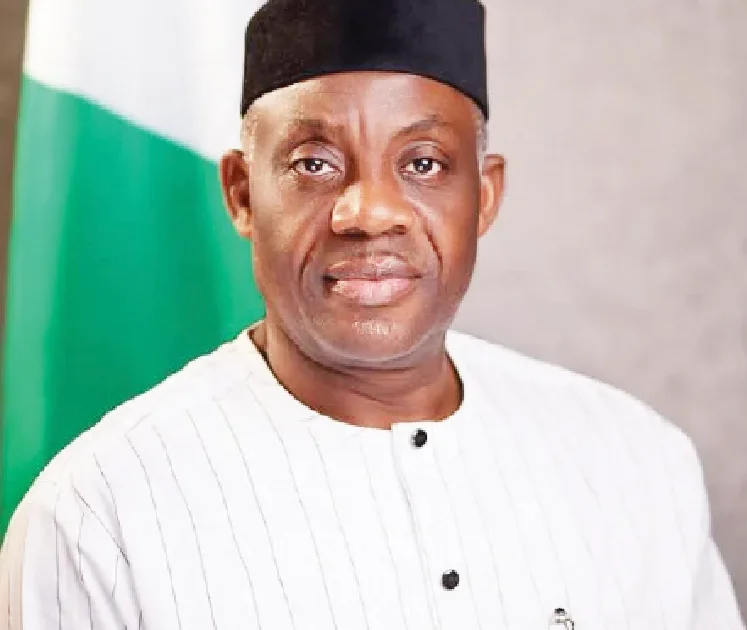
As Nigeria marks its 66th Independence anniversary, the state of its education sector reflects a mix of ambitious reforms, renewed investment, and longstanding challenges that continue to affect millions of learners. Under the leadership of the Minister of Education, Tunji Alausa, the Federal Government has pursued initiatives ranging from the revitalisation of the National Library of Nigeria and digital learning programmes to improved education financing and efforts to tackle the out-of-school children crisis.
Nigeria’s education sector has undergone several policy changes since independence in 1960, with successive administrations introducing programmes aimed at expanding access, improving standards, and developing the skilled workforce needed to drive national development. From the expansion of primary education to the establishment of universities, polytechnics, and colleges of education, the country has made considerable efforts to build an education system capable of serving its growing population.
Despite these efforts, the sector continues to grapple with a familiar set of problems: inadequate infrastructure, teacher shortages, poor learning outcomes, an expanding population of out-of-school children, funding constraints, and a persistent gap between educational qualifications and the skills demanded by employers. Against this backdrop, Alausa’s reform agenda presents another opportunity to address structural weaknesses in the system.
One project that illustrates the challenges of education infrastructure in Nigeria is the National Library of Nigeria headquarters in Abuja. Conceived as a national centre for knowledge preservation, research, scholarship, and access to information, the project commenced on April 29, 2006, with an initial completion period of two years. Construction was subsequently halted, leaving the building unfinished for years and turning the project into a symbol of delayed public investment.
The renewed attention given to the National Library under Alausa represents an attempt to address one of the country’s longstanding infrastructure deficiencies. In August 2026, the Federal Executive Council reportedly approved additional funding for the construction and furnishing of the complex, with the total commitment estimated at approximately N155bn. The intervention is significant because a national library should serve a purpose beyond providing office space or housing books.
Another major challenge facing Nigeria's education sector is the out-of-school children crisis, which reflects a deeper problem involving access, poverty, insecurity, and the quality of basic education. Nigeria has long been identified as having one of the world’s largest populations of children outside formal education, with estimates frequently cited by international organisations placing the figure at about 18 million.
Under Alausa, the Federal Government has prioritised efforts to return children to classrooms and improve the use of education data to identify those being left behind. In May 2026, the minister reportedly said more than one million children had returned to classrooms over the preceding 30 months. He also disclosed that the government was mapping out-of-school children in several states to obtain a clearer picture of the problem, and that the introduction and activation of alternative learning centres are part of the solution.
Key points
- The Nigerian government has approved additional funding for the construction and furnishing of the National Library of Nigeria headquarters in Abuja.
- The country continues to grapple with a familiar set of education problems, including inadequate infrastructure and an expanding population of out-of-school children.
- More than one million children have returned to classrooms in the past 30 months, according to the Minister of Education, Tunji Alausa.