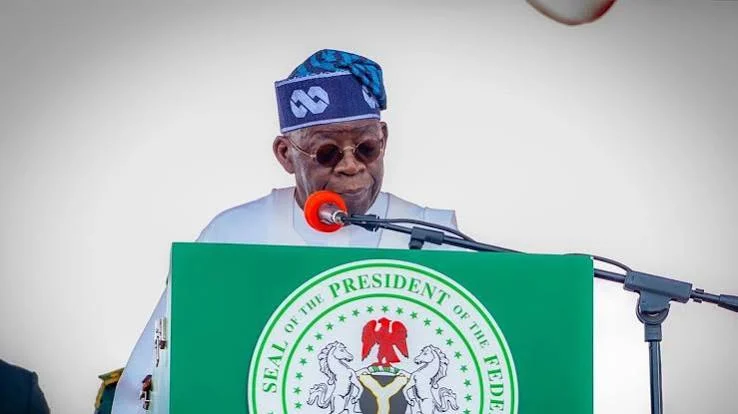
President Bola Tinubu, on October 1, 2026, marked Nigeria's 66th Independence anniversary with a nationwide address, themed "From Reform to Prosperity". In his broadcast, Tinubu defended the removal of petrol subsidy and unification of the naira exchange rate. He likened Nigeria to a cancer patient who chose painful treatment over denial. Tinubu stated that Nigeria's leaders had previously chosen to "dull the pain" rather than confront the country's problems.
Tinubu issued a warning against politicians pushing for a return to fuel subsidies ahead of the 2027 general election. He urged Nigerians to resist the "siren song" of returning to subsidy payments, emphasizing that the country had already come too far. The President insisted that his administration's reforms had not created Nigeria's economic weaknesses but had confronted problems postponed by previous governments. He noted that the results of the reforms were "undeniable", with the economy growing by more than four percent in 2026.
According to Tinubu, the economy had seen significant improvements, including a decline in oil theft, a substantial fall in inflation, and a stabilization of the foreign exchange market. He disclosed that Nigeria recorded its highest-ever revenue from non-oil exports in 2025, exceeding $6 billion. Tinubu stated that international observers, journalists, NGOs, and multilateral institutions had concluded that the reforms strengthened Nigeria's economic stability and resilience, with foreign direct investment continuing to rise.
Tinubu declared a turning point in his administration's economic messaging, stating that the "central economic task" before the country had changed from correcting Nigeria's course to delivering "shared and widespread prosperity". He described prosperity in personal terms, including a farmer who can cultivate safely, factories with reliable power, and businesses with access to credit. The President emphasized that the emergency treatment was over, and the foundation had been repaired.
On the cost of living, Tinubu said his government's priority was to lower the cost of producing and moving goods Nigerians consume. He listed plans to expand mechanized irrigation and dry-season farming, improve access to seeds and fertilizer, and invest in storage, transportation, roads, railways, and ports. Tinubu stated that when a farmer produces more cheaply, and a manufacturer spends less on electricity, those savings will ultimately find their way into the price of goods in the market.
Tinubu promised to place "jobs, enterprise, and industrial growth" at the center of policy going forward. He pledged to use domestic gas to power new industries, revive factories in Nigeria's industrial centers, and invest in skills demanded by employers. The President expressed his desire to see more Nigerians making things, with Nigerian businesses selling goods to the whole world. He also emphasized the importance of strengthening direct support to the poorest households and improving the National Social Register.
Tinubu closed his address on a biblical note, describing Nigeria's economic turnaround as analogous to Israel's exodus from Egypt. He stated that Nigeria had corrected its course and passed through its own Red Sea, with its destination in sight and foundations strong. The President urged Nigerians to move forward, with no looking back. His speech comes against the backdrop of continued public pressure over the high cost of living in Nigeria.
Key points
- President Bola Tinubu declares the harshest phase of Nigeria's economic reforms over.
- Tinubu warns against politicians pushing for a return to fuel subsidies ahead of the 2027 general election.
- The President outlines plans to lower the cost of living and promote jobs, enterprise, and industrial growth.