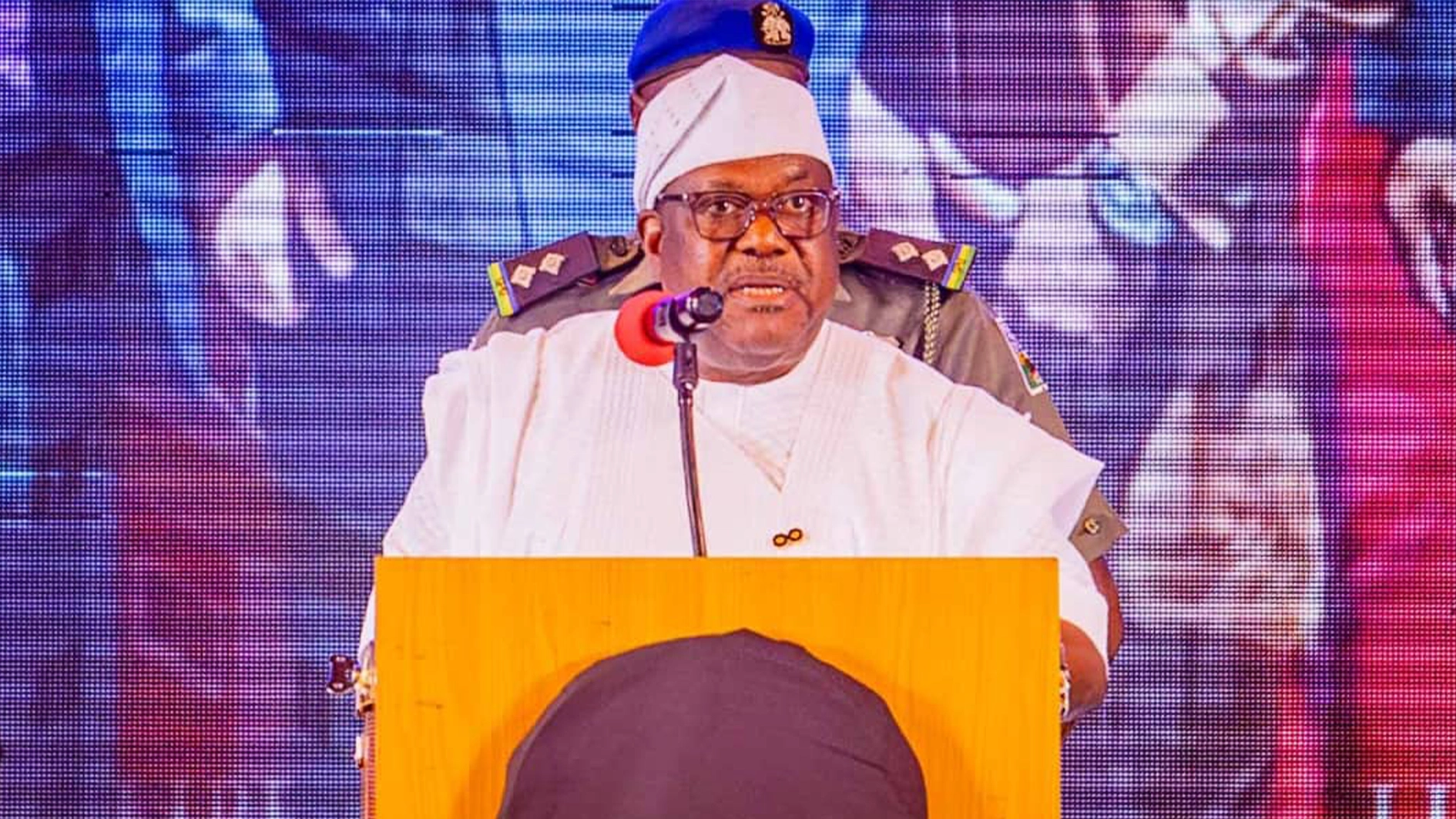
Nigeria marked its 66th Independence Anniversary on September 30, 2026, with the Secretary to the Government of the Federation, Senator George Akume, delivering a lecture at the 66th Independence Anniversary Lecture in Abuja. The event was part of activities marking Nigeria's Independence Anniversary under the theme "Unity and Faith, Peace and Progress". Akume emphasized that despite facing numerous challenges, including a civil war and decades of military rule, Nigeria has continued to demonstrate a strong belief in the Nigerian project.
Akume highlighted that the administration took difficult but necessary decisions at its inception in 2023, including the removal of the petrol subsidy, unification of the foreign-exchange market, tax and other fiscal reforms. These decisions, he noted, were necessary to rebuild stability and have started yielding positive results. According to the World Bank, Nigeria's real GDP grew by 4.2% in the first half of 2026, up from 3.9% a year earlier, as business activity expanded.
The SGF cited massive infrastructure investments as evidence of progress, stating that the country has witnessed significant investment in infrastructure over the past three and a half years, leading to improved connectivity. Projects like the Lagos-Calabar Coastal Highway, the Abuja-Kano highway, the East-West Road, rail modernization, and port reforms are expected to dramatically improve trade routes and the economy.
Akume also mentioned that the government is expanding mortgage finance to boost housing and jobs, and tackling power and transport costs. The government has tackled the power sector's problems by clearing legacy debts, increasing investment, and improving transmission and billing. Additionally, over 120,000 vehicles have been converted to Compressed Natural Gas (CNG), with more than 400 conversion centers and 90 fueling stations nationwide.
On agriculture and food security, Akume reaffirmed the government's determination to ensure that Nigerians "eat what we grow", supporting mechanization, irrigation, quality seeds, fertilizer, silos, and local processing. The World Bank has approved a $500 million credit for the Nigeria Sustainable Agricultural Value-Chains for Growth (AGROW) project, which aims to raise smallholder productivity, strengthen value chains, and improve food and nutrition security.
The SGF emphasized the importance of youth empowerment, noting that over 60% of Nigerians are under 25 and describing them as Nigeria's greatest asset. The government has expanded the Education Loan Fund to enable millions of students to afford university and vocational studies. Furthermore, the government is strengthening technical and vocational institutes to teach the skills that industry needs.
Akume concluded that the Independence Lecture should be a call to duty, envisioning a Nigeria where a young graduate becomes an employer of labor, a farmer can feed his family and sell surplus at market, and every child has access to quality education and healthcare. The government's goal is clear: shared prosperity for all Nigerians.
Key points
- The Nigerian government has undertaken significant reforms since 2023, including the removal of the petrol subsidy and unification of the foreign-exchange market.
- The World Bank has approved a $500 million credit for the Nigeria Sustainable Agricultural Value-Chains for Growth (AGROW) project to improve food and nutrition security.
- The government has invested in infrastructure projects, including the Lagos-Calabar Coastal Highway and rail modernization, to improve trade routes and the economy.