The Nigerien government announced on November 28, 2026, the withdrawal of all unexploited oil blocks in the Agadem region from Chinese companies, according to the Nigerien Press Agency. This decision is part of seven measures targeting CNPC-NP, Soraz, and Wapco. The move comes as Niamey is tightening its stance with Beijing. The withdrawal affects blocks that were previously operated by Chinese companies, including CNPC, which held 57% of Agadem's production, a Taiwanese CPC subsidiary with 18%, and the Nigerien state with 25%.
The decision to withdraw the blocks was made after a 45-day ultimatum given to the Chinese companies on October 13, 2026, expired without significant progress. The Nigerien Minister of Foreign Affairs, Bakary Yaou Sangaré, recalled that the deadline was set for the companies to repatriate over 3,000 billion CFA francs in export revenues. The committee, led by Sangaré, found that no significant progress had been made since the protocol of May 18. As a result, penalties, royalties on the Agadem-Soraz pipeline, withdrawal of work visas, and environmental damage lawsuits were announced.
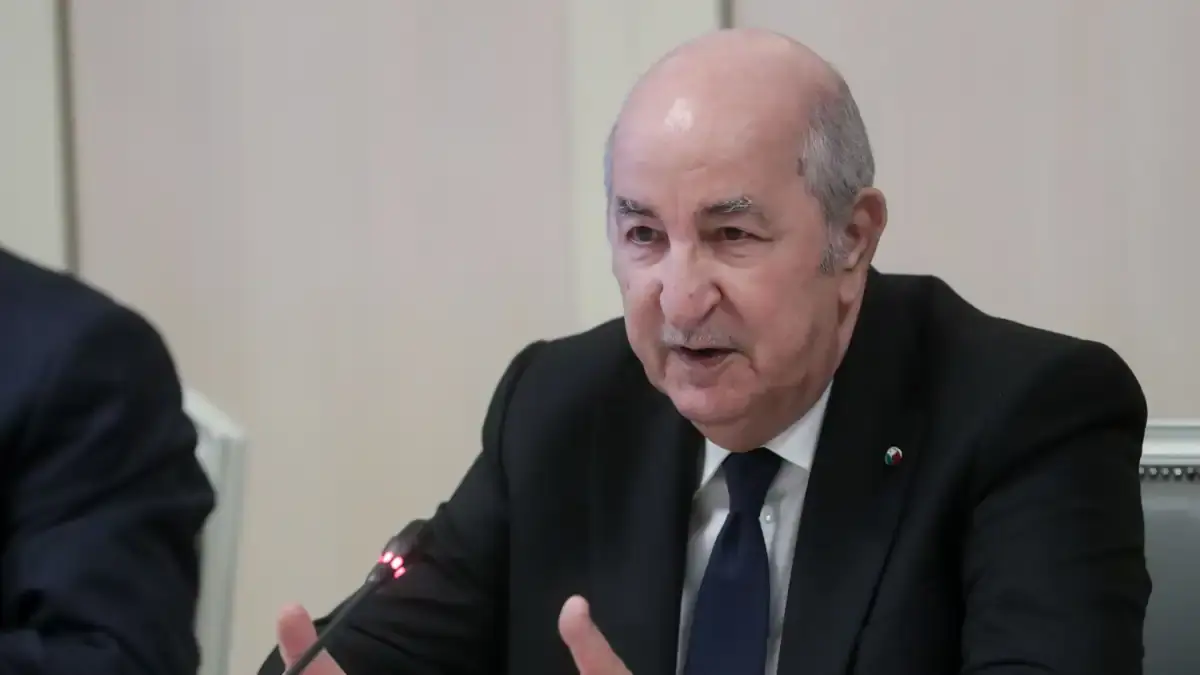
The withdrawn blocks escape the first operator in the country, and Algeria appears to be well-positioned to benefit from this development. Algerian President Abdelmadjid Tebboune has been strengthening ties with Nigerien leader General Abdourahamane Tiani. On February 16, Tiani was received by Tebboune, who welcomed the end of an "abnormal cold period." On June 2, Sonatrach and Sonidep signed three memoranda on oil exploration, drilling, and distribution.
Sonatrach has been actively involved in Niger, supplying aviation fuel since August and participating in the commercialization of crude oil. On October 31, a convoy of 1.65 million liters of Algerian fuel arrived in Niamey under military escort from both countries, amid persistent shortages. Algerian involvement in Niger's oil sector has been increasing, with Sonatrach already linked to Sonidep through exploration and drilling agreements.
Despite these developments, the Nigerien communiqué does not specify a replacement for the withdrawn blocks. However, Tebboune has emphasized the importance of security and energy in the partnership between Algeria and Niger. Sonatrach, with its existing agreements with Sonidep, appears as a natural candidate for the blocks that Niamey wants to regain control of.
The Nigerien government has expressed willingness to discuss with a CNODC delegation expected in Niamey. This could potentially lead to renewed dialogue with Beijing and alter the situation. The developments in Niger's oil sector have significant implications for the country's energy landscape and its relationships with international partners.
The future of Niger's oil sector and potential Algerian involvement will depend on the outcome of ongoing negotiations and agreements. Key players, including Sonatrach, CNPC, and the Nigerien government, will need to navigate the changing landscape to secure their interests and maximize benefits from the country's oil resources.
Key points
- Niger withdraws oil blocks from Chinese companies amid strained relations.
- Algeria may fill the gap left by Chinese companies in Niger's oil sector.
- Sonatrach appears as a natural candidate to take over withdrawn oil blocks.
Reporting sources
- Pétrole nigérien : l'Algérie peut-elle prendre la place laissée par la Chine à Agadem ? · La Nouvelle Tribune