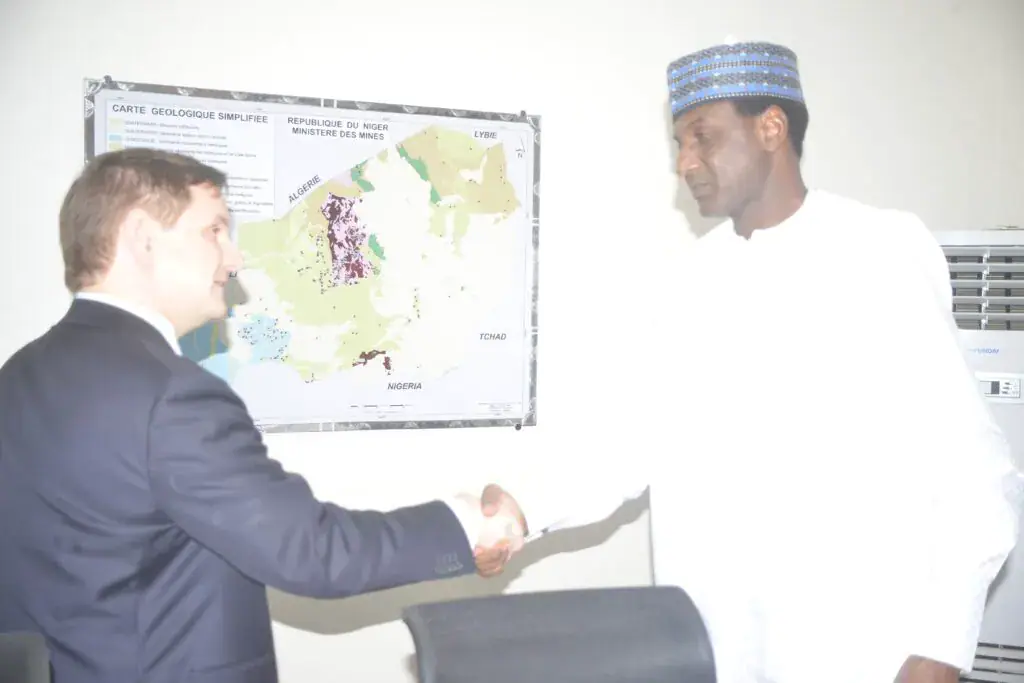
On November 9, 2026, the chargé d'affaires of the European Union delegation to Niger, Olai Voiomma, was summoned to the office of the Prime Minister. This move follows comments made by the EU's spokesperson, which Niger's government describes as condescending and unacceptable. The spokesperson had asked for explanations on the legal basis of economic and security agreements between Niger and Algeria.
Niger's government expressed its indignation at the EU's continued interference in the internal affairs of sovereign states. The government stated that it had freely and responsibly decided to enter into cooperation agreements with Algeria. The agreements aim to promote peace, security, stability, and progress in the sub-region. Niger questioned the EU's right to demand explanations on the outcomes of cooperation between two sovereign states sharing a border.
The Nigerien government reaffirmed its sovereignty, stating that it does not take orders from any country or institution outside the EU. It emphasized that it does not need Brussels' permission to exercise its sovereignty. The government described the EU spokesperson's comments as unfortunate and irresponsible, revealing a lack of sincerity in the EU's discourse on its African policy.
The EU's comments have sparked concerns about its approach to African countries. Niger's government demanded clarifications on the EU's repeated and offensive interference. The government's reaction reflects its commitment to defending its sovereignty and autonomy in international relations. The incident highlights the complexities of EU-African relations and the need for respectful dialogue.
The convocation of the EU chargé d'affaires is a significant development in Niger-EU relations. It underscores the Nigerien government's determination to assert its sovereignty and resist external pressure. The incident may have implications for EU-Niger cooperation, particularly in areas such as security and economic development.
The Nigerien government's statement concluded by reiterating its commitment to cooperation with countries that respect its sovereignty. It emphasized that it would not compromise its autonomy in pursuit of partnerships. The government's stance reflects a broader trend among African countries seeking to reassert their agency in international relations.
The EU has not publicly responded to Niger's concerns. However, the incident is likely to feature in discussions on EU-African relations. The EU's approach to African countries has been criticized for being paternalistic and condescending. Niger's government has set a precedent for other African countries to assert their sovereignty and challenge external interference.
Key points
- Niger's government rejects EU interference in its internal affairs, citing sovereignty.