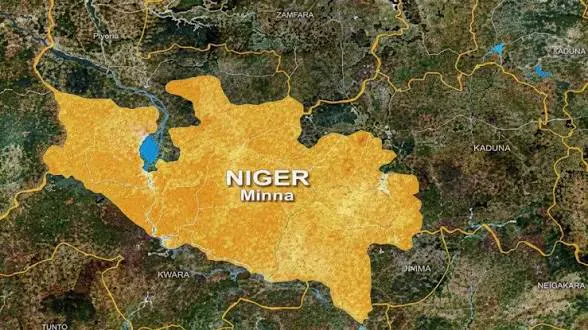
A recent wave of attacks in Niger State has exposed the vulnerability of communities in Nigeria's North-central region. On August 21, 2026, suspected terrorists attacked Gidan-Zana and Kpenya communities in the Dekara District of Borgu Local Government Area. The attackers invaded Kpenya Mosque during Juma’at prayers, abducting an unspecified number of worshippers. A joint security team was deployed for assessment and rescue operations. Women, children, and elderly people were reportedly among those taken.
The exact number of abductees remains contested, with local accounts reporting between 60 and 80 people abducted, while Amnesty International cited residents who believed more than 80 may have been taken. Footage reportedly showing a much larger group of captives emerged, with Reuters reporting that residents identified people from Dekara among those shown. These conflicting figures highlight the scale of the crisis and the difficulty of obtaining reliable information from communities living under extreme insecurity.
The Borgu attack cannot be treated as an isolated incident. Earlier in August, gunmen reportedly killed nine travellers in Borgu Local Government Area. In February 2026, coordinated attacks on communities in Borgu left at least 32 people dead, while homes and shops were destroyed. In November 2025, around 315 students and teachers were abducted from St. Mary’s Catholic School in Papiri. Repeated attacks in areas including Shiroro have left residents facing a disturbing reality: violence is becoming a persistent threat to everyday life.
The extensive forests around affected communities are also significant, as difficult-to-govern spaces can provide armed groups with places to hide, move abductees and evade conventional security operations. The challenge therefore requires addressing the conditions that allow armed groups to repeatedly operate, retreat and return. This makes Niger State’s insecurity a conflict-prevention problem, not simply a military one. Communities often possess information about unusual movements, threats, suspicious individuals and armed groups before attacks occur.
The central problem is turning such information into timely action. Repeated attacks force farmers to abandon fields, keep children away from school and discourage traders from markets. Religious gatherings can become sources of anxiety, while displacement creates humanitarian needs for food, shelter, healthcare and protection. Kidnapping has also become economically significant, with around 7,825 people abducted in Nigeria between July 2025 and June 2026, a 66% increase from the previous year.
The Niger State Government has said it is working with security agencies to secure the release of victims and provide logistical support for rescue operations. It has also emphasized cooperation among government, security agencies, communities and the media. Nigeria must now move from reaction to prevention. One possible long-term response is state police, which could improve knowledge of local terrain, community dynamics and emerging threats.
Community vigilantes could similarly help reduce insecurity in Niger State. When citizens repeatedly hear of attacks without seeing improvements, confidence in government institutions declines. Consistent security presence, credible investigations, accountability and clear communication about rescue efforts are therefore essential. Security should not be measured only by arrests or weapons recovered, but also by whether citizens can farm, travel, worship, attend school and conduct business without constant fear.
Key points
- The recent attacks in Niger State highlight the need for a shift from reaction to prevention in addressing Nigeria's security challenges.
- The Niger State Government is working with security agencies to secure the release of victims and provide logistical support for rescue operations.
- Community participation and cooperation are essential in preventing violence and addressing insecurity in Niger State.