Niger has increased its stake in the Madaouela uranium project to 40%, with Australian company Atomic Eagle retaining 60%. The new mining agreement was signed last week and marks a significant shift in Niger's approach to its uranium sector. The country is seeking to revive its uranium industry and attract new investment. Niger's government aims to ensure more mining revenues remain in the country.
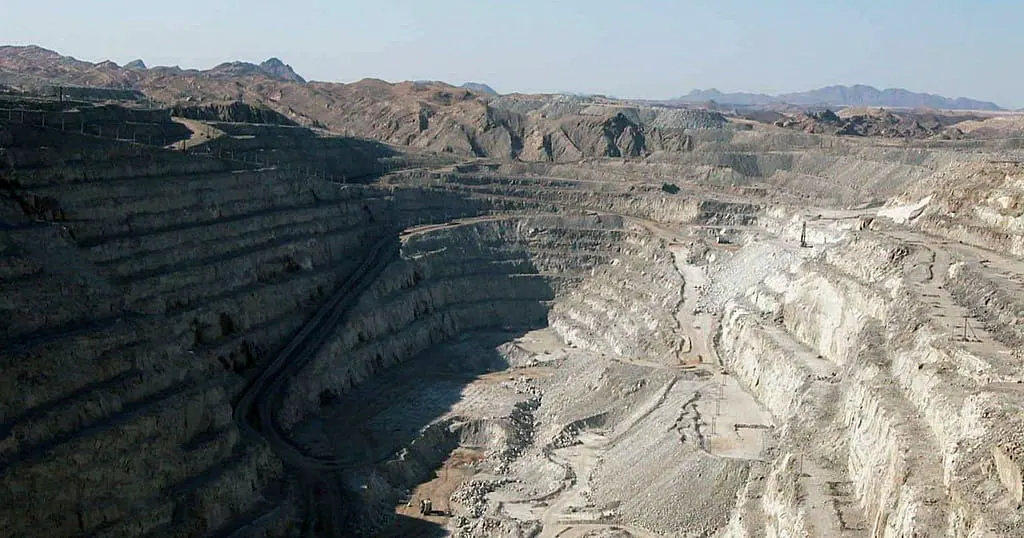
The Madaouela uranium project is located in the north of Niger. Under the new agreement, Atomic Eagle will accelerate preparations for the project and secure financing for construction. The company aims to reach construction readiness in around two years. This development has been welcomed by Hoskins Philip Ross, Managing Director of Mamico, who described it as an encouraging sign for international investment in Niger's uranium sector.
Niger's move to increase its stake in the Madaouela project is part of a broader effort to strengthen state participation in the mining sector. The government says this will enable the country to retain more revenues from its mineral resources. The uranium sector is a significant contributor to Niger's economy. The country is seeking to diversify its international partners and increase its control over strategic resources.
Atomic Eagle has also secured a separate agreement with the U.S. International Development Finance Corporation for financing of up to $414.2 million for the Dasa uranium project, developed by Global Atomic in Niger. This financing will support the development of the project. Global Atomic is a key player in Niger's uranium sector.
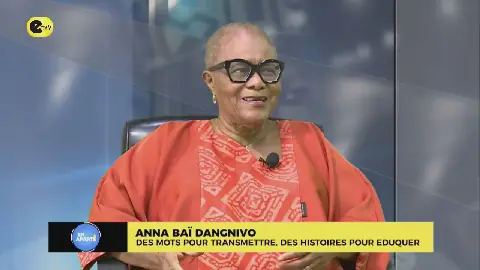
Economist Issoufou Boubacar Kado notes that while Niger's increased control over its uranium sector is a positive development, it is not yet a case of full economic sovereignty. According to Kado, Niger now has control over its raw materials and can decide who to partner with. However, the country still requires foreign capital and expertise to develop its mineral resources.
The uranium sector is a key test of Niger's new approach to mining, balancing greater national control with the need for foreign investment. The country's experience with the Madaouela project will likely inform its approach to future mining agreements. Niger's government will need to navigate these competing priorities to achieve its goals.
Niger's efforts to increase its control over its uranium sector reflect a broader trend in Africa, where countries are seeking to maximize their benefits from natural resource extraction. The country's experience will be closely watched by other African nations seeking to develop their own mineral resources. Niger's success in attracting new investment will depend on its ability to balance national interests with the needs of international partners.
Key points
- Niger has increased its stake in the Madaouela uranium project to 40% as part of a broader effort to strengthen state participation in the mining sector.
- The country is seeking to attract new investment and diversify its international partners in the uranium sector.
- Economist Issoufou Boubacar Kado notes that Niger's increased control over its uranium sector is a positive development, but not yet a case of full economic sovereignty.