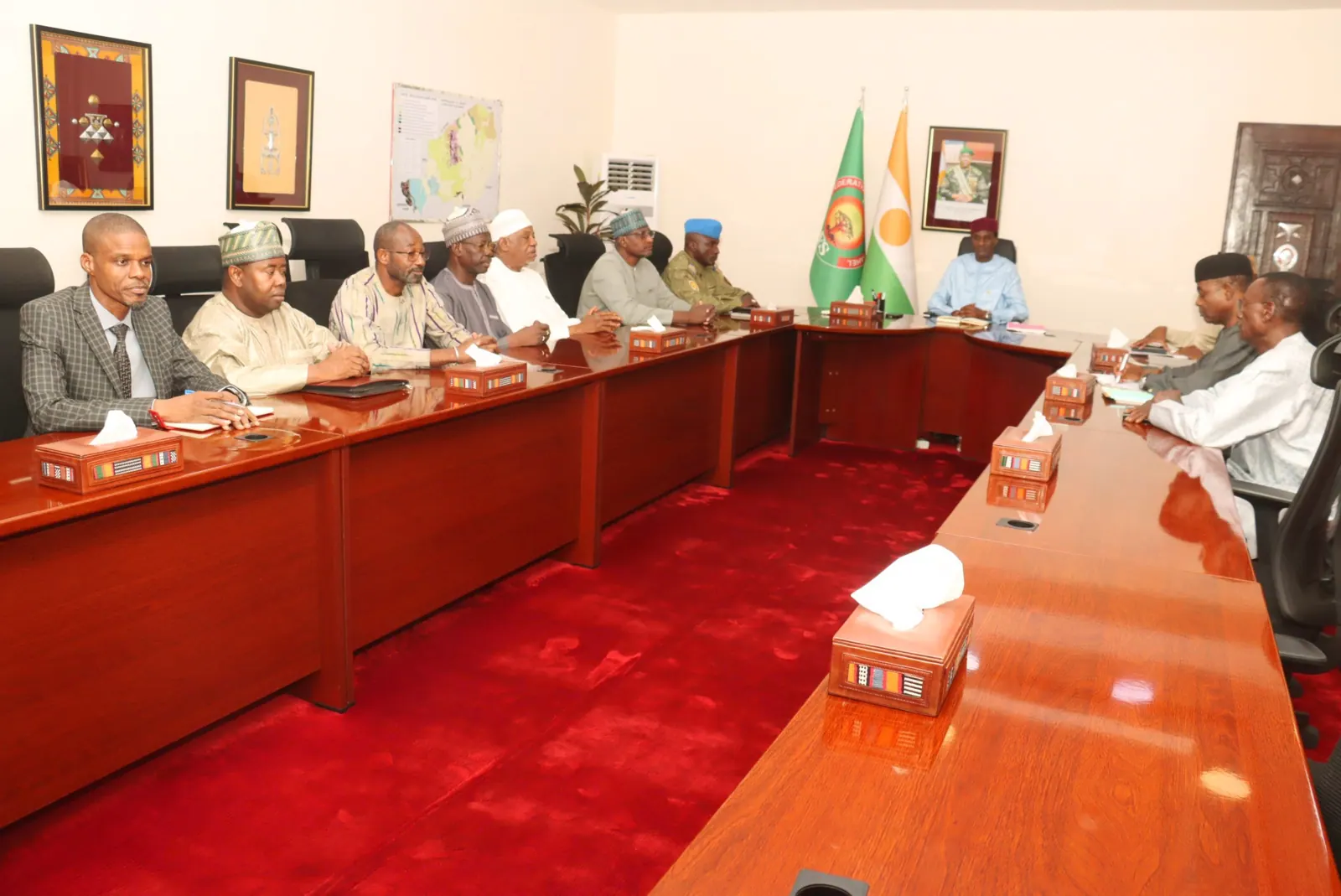
On October 8, 2026, Niger's Prime Minister, Ali Mahaman Lamine Zeine, received a delegation of members from the committee that drafted recommendations from the general assembly on public works. The assembly took place in Niamey from May 5 to 8, 2026. The Minister of Equipment and Infrastructure, Col. Major Salissou Mahaman Salissou, was present during the meeting. The committee submitted a 147-page document containing around 40 recommendations for developing Niger's transportation infrastructure sector.
The recommendations aim to enhance the sector through various initiatives, according to Col. Major Salissou Mahaman Salissou. One key proposal is the establishment of a national public works school. This institution would enable Niger to train its own engineers, promoting self-sufficiency in infrastructure development. The minister emphasized the importance of this initiative in achieving the country's sovereignty.
The report also focuses on road maintenance, with plans to modernize the toll system. This upgrade is expected to generate more resources for maintaining and extending the lifespan of Niger's roads. Additionally, the recommendations include anticipating the construction of new infrastructure. These proposals were developed through a collaborative process involving various stakeholders, including government officials, study bureaus, companies, and educational institutions.
The general assembly brought together a wide range of participants, as per the mission letter from President Abdourahamane Tiani. The event was coordinated by the Prime Minister and featured contributions from central and decentralized government officials, study bureaus, companies, and educational institutions. The minister highlighted the notable participation of former ministers, as well as representatives from the Alliance des États du Sahel (AES) and neighboring countries.
Col. Major Salissou Mahaman Salissou expressed his appreciation for the involvement of former ministers and international partners, including representatives from Togo and Chad. The collaborative approach adopted during the general assembly reflects the government's commitment to inclusive decision-making. The submitted report is expected to guide future developments in Niger's public works sector.
The public works sector plays a vital role in Niger's economic growth and development. The recommendations outlined in the report are intended to address existing challenges and capitalize on opportunities for growth. By investing in infrastructure and human resources, the government aims to improve the country's transportation network and promote economic progress.
The Prime Minister's receipt of the report marks a significant step towards implementing the proposed recommendations. Further actions will be taken to review and integrate the suggestions into Niger's development plans. The successful execution of these proposals will depend on effective collaboration between government agencies, private sector stakeholders, and international partners.
Key points
- Niger's government receives a report with 40 recommendations for developing its public works sector.
- The report proposes the establishment of a national public works school to promote self-sufficiency in infrastructure development.
- Road maintenance and modernization of the toll system are prioritized in the recommendations.