The commune rurale de Gorouol, located in Niger's Tillabéry region, faces unique challenges due to its geographical, economic, and demographic characteristics. With a vast area of 4650 km2, it comprises 29 administrative villages and 11 tribes, requiring effective local administration. The commune shares borders with several other communes and countries, including Burkina Faso and Mali. Its population is estimated to be 108,693 inhabitants as of 2025.
Gorouol's geographical position makes it an important hub for trans-border trade, sub-regional integration, and cooperation. However, its development potential is hindered by security concerns and lack of infrastructure. The local economy relies heavily on agriculture and livestock farming, with significant water resources available for irrigation and other uses. Additionally, the commune has under-exploited mineral resources that could support industrial development and job creation.
The current situation in Gorouol is marked by intertwined climate, security, and administrative challenges. Climate change poses a direct threat to the local economy and food security, while security concerns have resulted in school closures, population displacement, and economic slowdown. To address these issues, the administration is working closely with defense and security forces, customary authorities, and local communities to ensure continuity of basic services and proximity administration.
To promote peace and combat insecurity, the municipal authorities have initiated several actions to engage local communities. These include establishing management committees in various sectors, such as the COGES, which serves as a platform for participatory governance and early warning systems. Another key initiative is the relaunch of the Bankilaré-Gorouol peace process, aimed at capitalizing on previous gains and restoring trust among stakeholders.
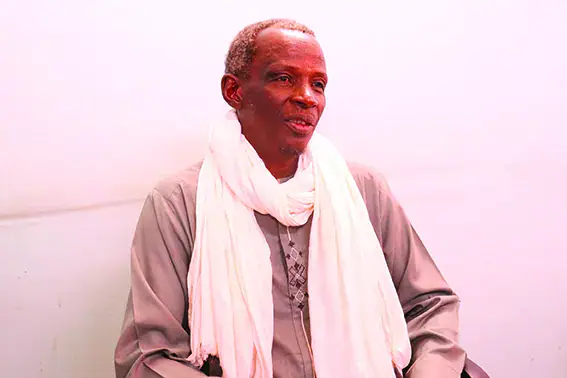
The administrator-delegate of Gorouol commune, M. Abdoul Nassir Saidou, has emphasized the importance of local responsibility and community engagement in promoting peace and stability. He has invited all stakeholders to put aside divisions and work towards social cohesion. The commune's priorities focus on securing the area, ensuring state presence, and providing basic services such as education, healthcare, and access to clean water.
The state has implemented several initiatives to strengthen the resilience of local populations and support their economic development. These include advanced security measures, protected convoys, and food distribution programs. The authorities aim to enhance these efforts and provide additional support to the commune. By leveraging local potential and strengthening institutional capacities, Gorouol can overcome its challenges and achieve sustainable development.
The future of Gorouol commune depends on effective coordination among local stakeholders, government agencies, and international partners. By working together, they can address the complex challenges facing the commune and unlock its economic potential. Key priorities include enhancing security, promoting social cohesion, and supporting local economic development. With a strong focus on community engagement and participatory governance, Gorouol can build a more stable and prosperous future.
Key points
- The commune rurale de Gorouol faces complex challenges related to climate, security, and administration.
- Local authorities have initiated actions to engage communities in promoting peace and combating insecurity.
- The state has implemented several initiatives to support the resilience of local populations and economic development.