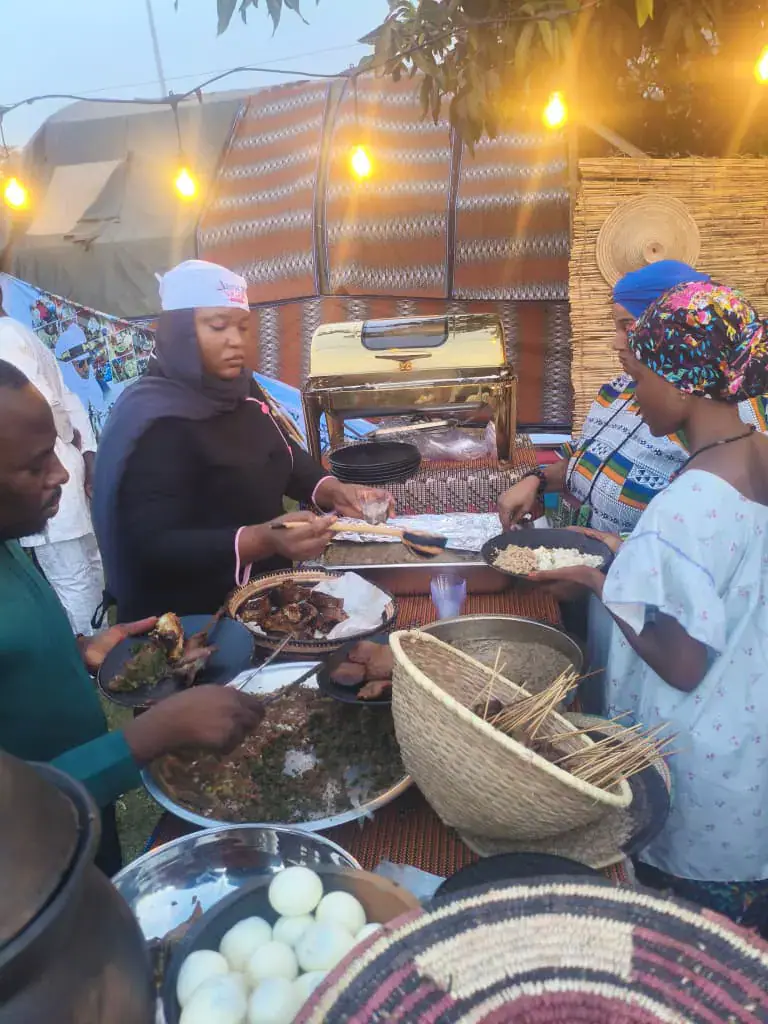
The event, which brought together people from all regions of Niger, highlighted the country's diverse culinary traditions. Popular dishes included "Sakora", a paste made from cowpeas and accompanied by a pintade sauce with soumbala; "Nakia", a rice dish; "Tuwon Dassa", a millet paste; "Tory Foye", a sauce made with oseille seeds and soumbala; and a dessert made from palm nuts. These dishes showcased the creativity and resourcefulness of Nigerien cooks.
The "Sakora" paste, created by Safia Issoufou, a promoter of the Union Na Kammu in Zinder, was a highlight of the event. Made from cowpeas, which are abundant in Niger, the dish was designed to promote local resources and provide an alternative to traditional culinary options. Issoufou noted that the idea for the dish came from the realization that Niger does not produce enough yams, but has a significant cowpea production. The dish has become a symbol of the country's culinary innovation.
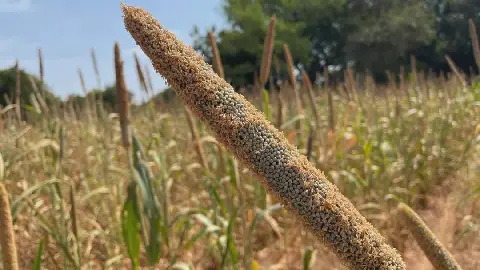
The region of Zinder also showcased other traditional specialties, including "Nakia", a rice dish prepared with various ingredients, and "Tuwon Dassa", a millet paste that highlights the importance of cereals in traditional cuisine. The preparation of "Tuwon Dassa" involves several steps, including pounding millet in a mortar, washing and sieving the flour, and cooking it in a pot. The dish is a testament to the country's rich culinary heritage and the importance of preserving traditional cooking practices.
The region of Tillabéri was also represented, with "Tory Foye" and "Kara Kara" being showcased. "Tory Foye" is a traditional sauce made with oseille seeds, soumbala, and Guergundé fish, while "Kara Kara" is a dish made with pounded chicken, sesame seeds, and salt, fried in peanut oil. These dishes demonstrate the diversity of Nigerien cuisine and the creativity of its cooks.
The International Institute of Tourism and Hospitality Management (IIMATH) in Niamey also made a significant contribution to the event, showcasing innovative dishes such as the "Apoutchou" sandwich, also known as the Targui sandwich. The sandwich is made with slow-cooked beef, cooked in a traditional Targui method, and served with a variety of spices and herbs. The institute also presented biscuits and pastries made from local ingredients such as fonio and voandzou.
One of the most notable creations at the event was a dessert made from dates, palm nuts, and a creamy pastry cream. The dessert, which was served at the closing dinner of the event, was a huge success, with many guests praising its originality and flavor. The dessert demonstrates the potential for Nigerien cuisine to innovate and adapt traditional ingredients to create new and exciting dishes.
The event highlighted the importance of preserving and promoting Nigerien culinary heritage, and the potential for innovation and creativity in traditional cuisine. The country's rich culinary traditions offer a unique opportunity for economic development and cultural exchange. By promoting and preserving these traditions, Niger can showcase its rich cultural heritage to the world.
Key points
- The event showcased a variety of traditional and innovative Nigerien dishes, highlighting the country's rich culinary heritage.