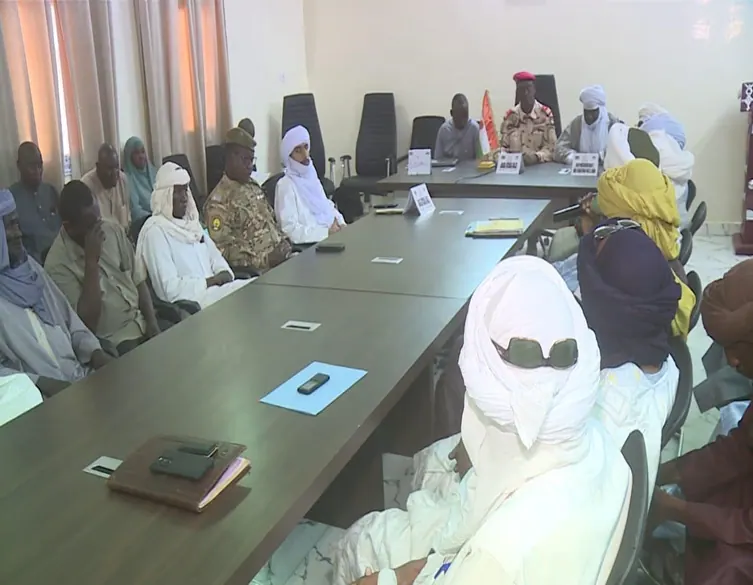
The Centre Opérationnel de Veille, d'Alerte et de Conduite des Crises (COVACC) in Niger, with technical and financial support from the World Food Programme (WFP), recently organized a series of workshops. These workshops aimed to strengthen the capacities of its decentralized structures and local communities in 24 target communes across eight regions of Niger. The events took place from July 1 to 7, 2026, and were designed to enhance preparedness and response to disaster risks.
The primary objectives of these workshops were to inform and sensitize administrative and customary authorities, as well as local communities, about disaster risks ahead of the 2026 rainy season. Specifically, the workshops focused on educating participants about climate hazards, risk zones, and behaviors to adopt in case of alerts. Additionally, the workshops highlighted the importance of integrating seasonal forecasts into agricultural planning. A total of 600 participants attended the workshops, including 120 municipal agents trained in local crisis governance and 480 community leaders.
The workshops employed a participatory and inclusive approach, bringing together administrative authorities, customary leaders, community leaders, local populations, and technical services from target communes. The events used digital tools, such as KoboToolbox, to collect precise data on participants' perceptions of vulnerability, existing capacities, risk practices, and local flood management systems. This data collection effort aimed to inform the development of effective disaster risk management strategies.
The workshops resulted in several recommendations, primarily addressed to local authorities, COVACC, and the General Directorate of Civil Protection (DGPC). These recommendations included systematically involving village/ward heads in all phases of sensitization, census, and intervention, as well as providing them with training to effectively serve as relays. Other recommendations focused on enforcing texts prohibiting the allotment and occupation of flood-prone areas.
Additional recommendations emphasized the need to adapt alert systems, particularly sound systems, to meet the needs of people with disabilities. The recommendations also suggested popularizing the emergency number 18 and programming sensitization campaigns before the rainy season, while ensuring the continuity of proximity activities throughout the winter season.
The workshops also highlighted the importance of strengthening the implementation and functionality of local emergency plans in all communes, through targeted technical support and training for crisis management committees. Furthermore, the recommendations stressed the need to systematically integrate the needs of vulnerable populations, including people with disabilities and the elderly, into preparedness and intervention mechanisms.
By enhancing the capacities of local communities and decentralized structures, COVACC aims to improve Niger's disaster risk management and response. The workshops demonstrated a collaborative approach, engaging various stakeholders in the development of effective strategies to mitigate the impacts of disasters. The implementation of these recommendations will be crucial in ensuring the country's preparedness for the 2026 rainy season.
Key points
- COVACC conducted workshops to enhance disaster preparedness and response in 24 target communes across Niger.
- The workshops resulted in several recommendations to improve disaster risk management, including the involvement of village/ward heads and the adaptation of alert systems.
- The events aimed to inform and sensitize local communities about disaster risks, climate hazards, and behaviors to adopt in case of alerts.