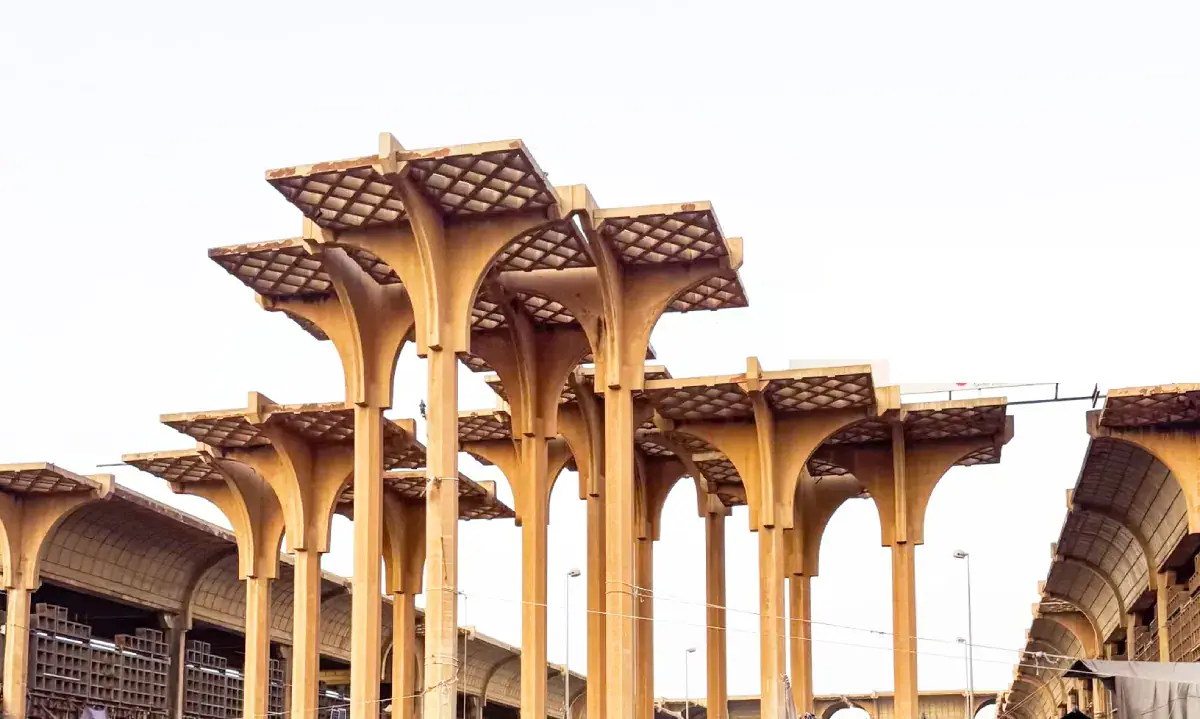
The recent crisis at Niamey's Grand Market, which was closed for nearly two weeks due to a rent dispute, has brought attention to the need for modernization. The market, built over 70 years ago, is struggling to accommodate the city's rapidly growing population, which has reached 1.6 million inhabitants. The market remains a vital hub, attracting traders, wholesalers, and customers from across the city and surrounding areas. However, its infrastructure is showing signs of strain.
The market's layout, with small shops and narrow alleys, can make navigation challenging for visitors. The surrounding streets are lined with makeshift stalls, reducing pedestrian and vehicle space, and raising concerns about safety and emergency access. The market has experienced severe fires in the past, and while the 2009 reconstruction was an improvement, the needs of a city of over 1.5 million people have evolved significantly since then.
A major issue is the outdated rent structure, which has not been revised since 1987, limiting the ability of the SOCOGEM management company to maintain and upgrade the facilities. The recent dialogue between the state, SOCOGEM, and traders may lead to a deeper discussion about the market's future. Neighboring Burkina Faso has taken steps to modernize its markets, with a project to build three modern markets in Ouagadougou and Bobo-Dioulasso.
The Burkinabè government's RAAGA project, approved on November 19, 2026, involves a total investment of 104.38 billion FCFA. The new markets will feature modern amenities, including shops, restaurants, sanitary facilities, and security rooms. This model prioritizes user comfort, safety, and efficient urban land management. The initiative may serve as an inspiration for Nigerien authorities, who are seeking to develop their infrastructure within the framework of the Alliance des États du Sahel (AES).
Niamey's rapid growth, with an annual increase of 4-5%, has led to the emergence of new neighborhoods, placing additional demands on local services. A modernized market or multiple markets in new areas could help alleviate congestion in the city center, bring commercial activities closer to residents, and provide traders with better working conditions. While no official project has been announced, the Prime Minister's involvement in the recent market crisis suggests that modernization is a priority for the government.
The modernization of Niamey's Grand Market is seen as a necessity by thousands of traders and residents, rather than an option. The city's growth and development require upgraded infrastructure to support its expanding population. As the government considers the market's future, it will need to balance the needs of traders, residents, and the city's overall development.
The proposed modernization of Niamey's Grand Market is part of a broader effort to develop Niger's infrastructure and economy. As the country seeks to assert its sovereignty and achieve development goals within the AES framework, investing in modern markets and other critical infrastructure will be crucial. The outcome of this process will have a significant impact on the lives of Niamey's residents and traders.
Key points
- The Grand Market in Niamey, Niger, is in need of modernization due to the city's rapidly growing population and outdated infrastructure.
- Neighboring Burkina Faso has approved a project to build three modern markets, which may serve as a model for Niamey's market modernization.
- A modernized market in Niamey could help alleviate congestion, provide better working conditions for traders, and support the city's economic development.
Reporting sources
- Idées et opinions - Grand marché de Niamey : et si l’heure de la modernisation avait sonné ? · Nigerdiaspora - Niger