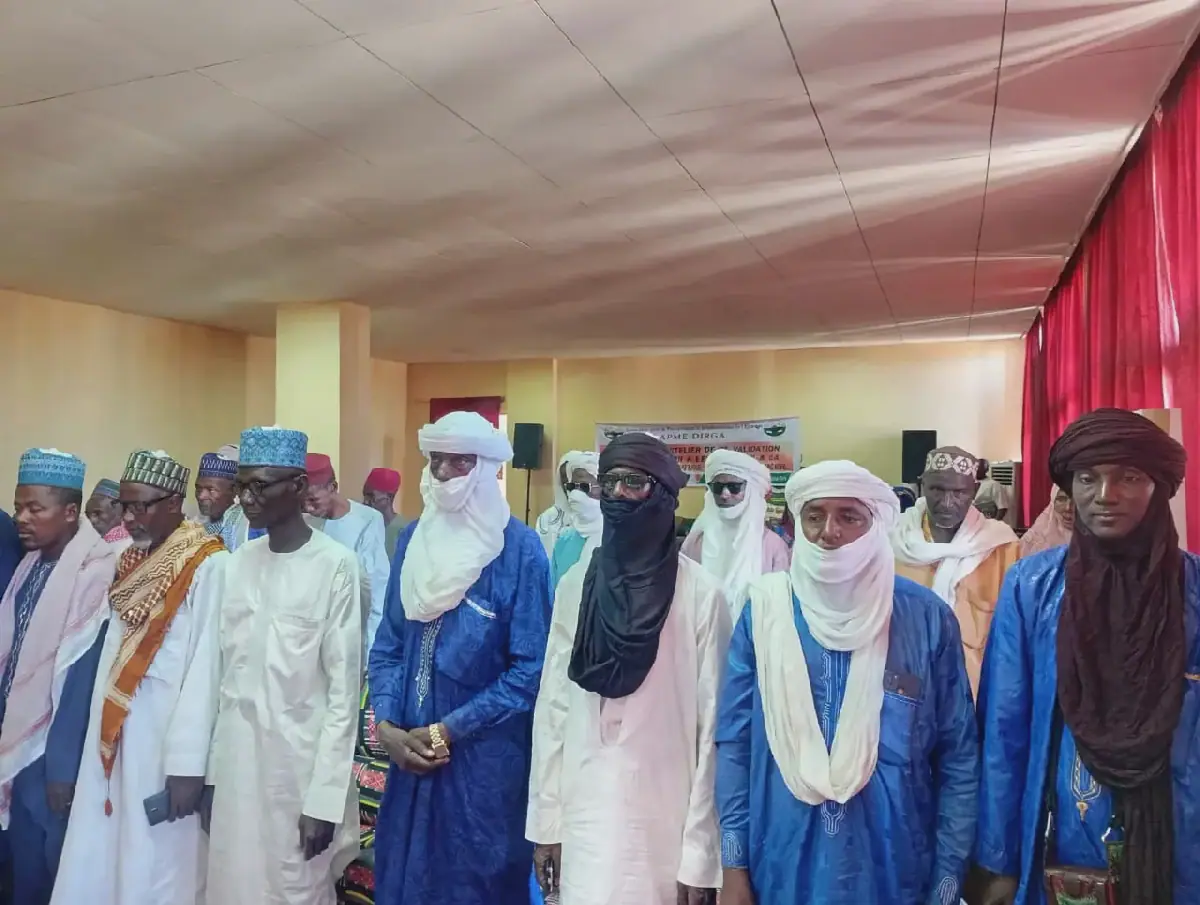
The Association for the Promotion and Modernization of Livestock (APME-DIRGA) recently organized a workshop in Niamey, Niger, to validate a project aimed at supporting pastoralists. The project, which took place at the Seyni-Kountché stadium, seeks to strengthen the economic capacities of pastoral households, modernize their practices, and improve their access to services and markets. This initiative is designed to enhance the resilience of pastoralists in the face of climate and economic shocks.
The workshop, which was attended by various stakeholders, including government officials, development partners, and pastoralist representatives, aimed to present the project's findings and strategic axes. APME-DIRGA President Ahmed Bello emphasized the importance of a participatory approach in development projects, stating that no project can succeed without transparency, inclusivity, and stakeholder engagement. He expressed his expectation that attendees would provide valuable feedback and recommendations to enrich the project document.
The two-day workshop, which took place on November 14-15, brought together technical services from the government, development partners, customary authorities, and pastoralist representatives. Bello noted that the project's success depends on the active involvement of all stakeholders, particularly pastoralist communities. He highlighted the need for the project to align with national priorities and address the real needs of local populations.
In his remarks, Insa Hassan, Director of NGO and Development Association Monitoring at the Ministry of Interior, recalled his department's role in monitoring and supporting development organizations. He emphasized the importance of ensuring that development interventions are transparent, credible, and aligned with national priorities. Hassan highlighted three key contributions of the initiative, including promoting transparency, synergy, and local ownership.
Hassan noted that the collective validation of project orientations would help avoid duplication of efforts and ensure coherence with sectoral ministry programs and other partners' initiatives. He also stressed the importance of involving pastoralist representatives and local authorities in the project's implementation to guarantee its success and sustainability. The project aims to improve the livelihoods of pastoralist communities in Niger.
The workshop provided a platform for stakeholders to provide feedback and recommendations on the project. APME-DIRGA's initiative seeks to address the challenges faced by pastoralist communities in Niger, including climate change, economic shocks, and limited access to services and markets. The project's success will depend on the effective implementation of its strategies and the active engagement of all stakeholders.
The project is expected to have a positive impact on the lives of pastoralist communities in Niger. Its implementation will be closely monitored to ensure its effectiveness and sustainability.
Key points
- The project aims to strengthen the economic capacities of pastoral households and improve their resilience to climate and economic shocks.
Reporting sources
- Niger : l’APME-DIRGA organise un atelier de restitution et de validation d’un projet en faveur des éleveurs pasteurs · Agence Nigérienne de Presse