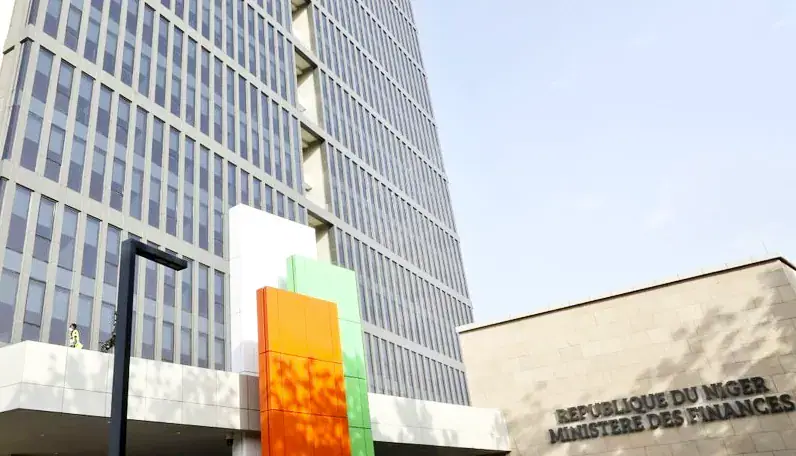
The Nigerien government is finalizing its 2027 budget, with a central question dominating economic debates: who will finance the country's national sovereignty efforts next year? The government's ambition is clear: to fund security expenditures and development projects using state resources. However, this quest for budget autonomy faces economic realities on the ground, including a struggling private sector.
The private sector in Niger is showing signs of exhaustion, with economic operators stating that the capacity of companies and consumers to contribute has reached its limits. Increasing domestic taxation without economic stimulus risks suffocating the local productive sector and pushing more activities into the informal sector. This situation makes the oil sector a critical component of the country's financial equation.
A key issue is the non-repatriation of over 3,000 billion CFA francs in oil export revenues by the China National Petroleum Corporation (CNPC) and its partners, WAPCO and SORAZ. On October 13, 2026, Niamey gave them 45 days to meet their contractual obligations. The repatriation of these funds is crucial for the state's and local banks' treasury and serves as an alternative to increasing indirect taxes and consumption product taxes in 2027.
The national press emphasizes two conditions for the population to accept the national effort: the publication of real figures regarding the amounts effectively returned since October 13, and the reduction of the state's spending habits. Transparency in public finances and budget discipline are essential for the effort to be deemed legitimate.
The Nigerien government's ability to collect oil revenues will significantly impact the country's economic credibility in 2027. The state's capacity to fund its security and development projects from its resources depends on repatriating oil revenues. Failure to do so may force the government to increase taxes, which could have adverse effects on the economy.
Experts argue that the government's strategy to boost national sovereignty must be balanced with measures to stimulate economic growth. The delicate equation of the 2027 budget involves finding a balance between taxation, economic stimulus, and repatriation of oil revenues. The Nigerien population and diaspora, who significantly support families in the country through money transfers, expect transparency and accountability in the management of public finances.
The coming weeks will be crucial in determining the outcome of the 2027 budget and the government's ability to achieve its objectives. The repatriation of oil revenues and the implementation of budget discipline will be key indicators of the government's commitment to economic transparency and accountability.
Key points
- The Nigerien government aims to fund 2027 security and development projects using state resources.
- Over 3,000 billion CFA francs in oil export revenues remain unrepatriated by CNPC and its partners.
- Transparency in public finances and budget discipline are essential for the population to accept the national effort.