On September 25, 2026, Niger's Prime Minister Ali Mahaman Lamine Zeine addressed the 81st United Nations General Assembly in New York, emphasizing Niger's commitment to exercising full sovereignty over its natural resources. He highlighted the country's desire to freely commercialize its uranium on the international market while maintaining transparency and adhering to nuclear non-proliferation commitments. This statement underscores Niger's strategic focus on managing its resources to drive national development.
Prime Minister Zeine's address was particularly significant as it came on behalf of President General Abdourahamane Tiani. During his speech, Zeine pointed out that Niger's uranium had been a crucial component in the energy supply of several European countries for decades. However, despite being a rich source of uranium, Niger still faces substantial challenges in meeting its own electrification needs. This disparity has fueled the country's resolve to maximize benefits from its natural resources.
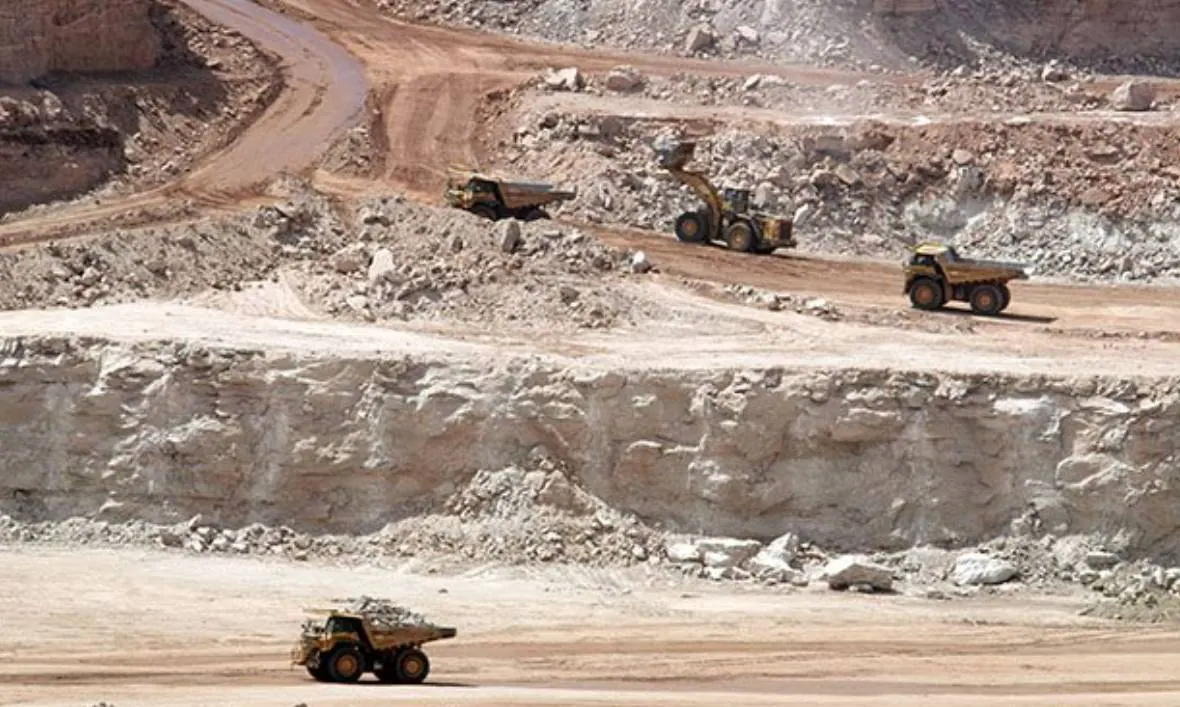
A key moment in Niger's strategy to reclaim control over its resources was the takeover of the Société des mines de l'Aïr (SOMAÏR) in June 2025. Prime Minister Zeine proudly noted that Niger has since invested approximately 30 billion francs CFA to ensure the continuity of mining operations after foreign teams departed. This financial commitment demonstrates Niger's capability and willingness to independently manage its mining sector, leveraging both financial resources and technical expertise.
The decision to commercialize uranium freely on the international market marks a new chapter in Niger's economic policy. According to Prime Minister Zeine, the uranium stocks belong to the Nigerien state, which intends to sell them to interested buyers. This move is conditioned on maintaining transparency and adhering strictly to international obligations regarding nuclear non-proliferation. This approach reflects Niger's broader strategy of diversifying its economic partnerships and optimizing the value of its natural resources.
Niger's management of its natural resources is intrinsically linked to its development goals. The Prime Minister highlighted that revenues from uranium, as well as from oil exports—which began in 2024 through an oil pipeline connecting Agadem oil fields to the Atlantic coast—will be channeled into priority sectors. These include security, agriculture, electrification, water access, sanitation, education, and healthcare. By harnessing its resources, Niger aims to reduce dependency on external aid and foster sustainable development.
The commercialization of uranium and other resources is part of Niger's broader economic strategy to assert its sovereignty while engaging in international partnerships based on equality and mutual respect. Prime Minister Zeine's address at the UN General Assembly served as a platform for Niger to communicate its vision of resource management as a catalyst for national development. This proactive stance underscores Niger's ambition to play a significant role in the global economy while securing the welfare of its population.
In conclusion, Niger's commitment to freely commercializing its uranium, as reaffirmed by Prime Minister Ali Mahaman Lamine Zeine at the UN General Assembly, signals a pivotal shift in the country's economic policy. By leveraging its natural resources, Niger aims to enhance its sovereignty, drive development, and build equitable partnerships. The international community is likely to watch Niger's developments closely, given the country's strategic position in the global energy landscape and its pioneering stance on resource management.
Key points
- Niger reaffirms its commitment to exercising full sovereignty over its natural resources, including uranium.
- The country plans to commercialize its uranium on the international market in a transparent manner, adhering to nuclear non-proliferation commitments.
- Revenues from natural resources will be allocated to priority sectors such as security, agriculture, electrification, and healthcare to drive national development.