On September 25, 2026, Niger's Prime Minister Ali Mahaman Lamine Zeine addressed the 81st United Nations General Assembly in New York, highlighting the country's significant economic and social achievements. According to government data, Niger's economy recorded a 7% growth in 2025, primarily driven by the oil and agricultural sectors. The Prime Minister emphasized the country's commitment to sovereignty and development, outlining key initiatives aimed at strengthening Niger's economic autonomy.
The Prime Minister attributed the favorable inflation rate, which decreased from 9.1% in 2024 to -4.7% in 2025, to an exceptional agricultural production and targeted measures to reduce fuel and cement prices. These results reflect the economic policy implemented since July 2023, focusing on better mobilization of national resources and valorizing local productions. The government's efforts to improve living conditions and develop the economy were central to the Prime Minister's address.
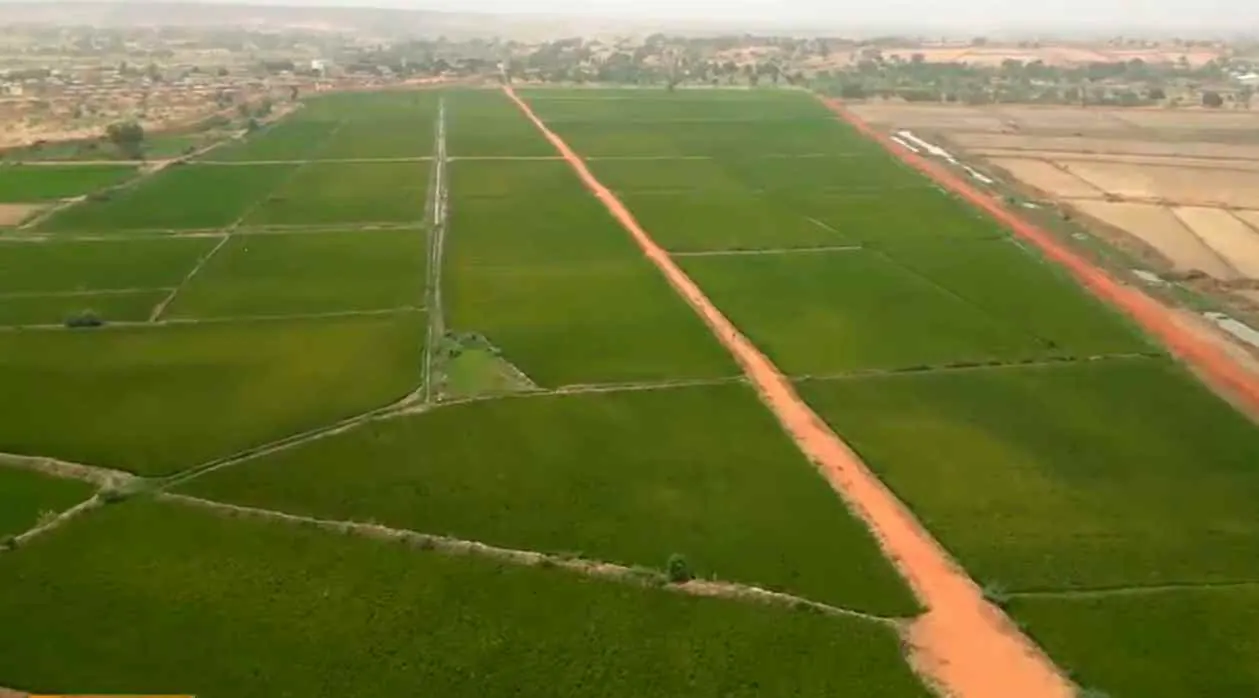
Agriculture is a key sector in Niger's economic transformation, with a major irrigation program underway. The program, valued at 527 billion CFA francs, aims to develop approximately 22,000 additional hectares of irrigated land. This initiative seeks to sustainably increase national agricultural production and reduce the country's dependence on food imports. The Prime Minister noted that Niger was able to meet its food needs without external assistance, thanks to recent agricultural achievements.
In the health sector, the Prime Minister highlighted measures to reduce household health expenses. The cost of services in public health establishments has been decreased by 50%, and certain services, such as childbirth, care for children under five, and dialysis, are now free. The Prime Minister reported progress in maternal health, with assisted deliveries increasing from 36% in 2022 to 42.5% in 2025, and prenatal consultations rising from 32% to 38.2% over the same period.
The Prime Minister also emphasized the importance of education, reaffirming the principle of free and compulsory schooling for children in public establishments. In July 2025, the government decided to reduce school fees in private establishments by 20%. These measures align with the orientations of the 2025-2029 Republic Refoundation Program, which serves as a reference framework for public policies and the structural transformation of the national economy.
The Prime Minister stressed Niger's commitment to financing its priorities using its own resources. The government plans to direct revenues from oil and mining exploitation, as well as voluntary contributions from citizens through the Patriotism Salvation Fund, towards key sectors such as security, agriculture, electrification, water, sanitation, education, and health.
Through this address, Niger reaffirms its determination to use its resources and national production as primary drivers of economic and social transformation. The country's achievements and future plans demonstrate its commitment to sustainable development and improving living conditions for its population. Niger aims to reduce cereal imports by half by the end of 2027.
Key points
- Niger's economy recorded a 7% growth in 2025, driven by oil and agricultural sectors.
- The country has implemented measures to reduce household health expenses, including a 50% decrease in public health service costs.
- Niger aims to reduce cereal imports by half by the end of 2027 through its irrigation program and agricultural development initiatives.