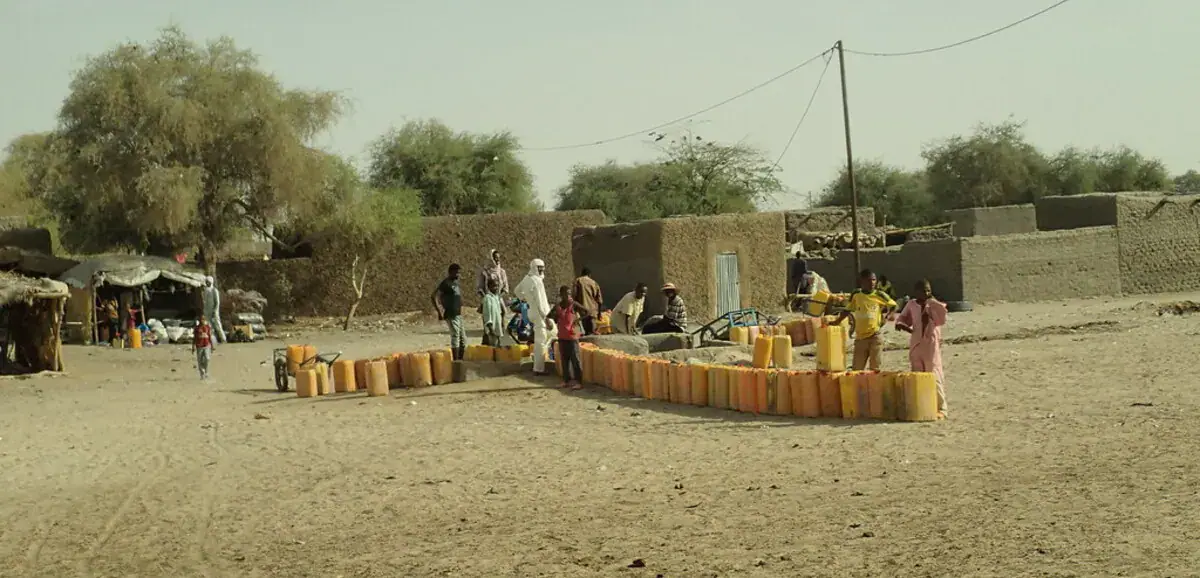
The Nigerien authorities have set a deadline of December 31, 2026, for thousands of members of the Mahamid Arab nomadic community to leave the country. This decision was notified to the representatives of the Mahamid by the governor of the Diffa region, General Mahamadou Ibrahim Bagadoma, on November 8. The authorities accuse certain members of this community of providing arms, ammunition, and logistical support to jihadist groups such as Boko Haram and its rival branch Iswap, active in the Lake Chad basin.
The Mahamid community has been living in Niger for several decades, having arrived in the 1970s to flee drought in Chad and later conflicts in Chad and Sudan. They are settled in the south-east of the country, but their presence has fueled tensions with local populations, particularly over access to water and pastures. Several peace agreements, including one in 2018, have failed to end clashes between the two groups.
The restrictions on the Mahamid community have been tightened in recent months. In October, the authorities ordered the closure of schools and water wells intended for this community. A municipal agent in Diffa confirmed that the establishments had closed and the pumps had been removed. The agent also stated that the Mahamid no longer receive civil documents and that their identity documents are confiscated during security patrols.
The decision to expel the Mahamid has been justified on the grounds of national security. The authorities claim that the community's alleged support for jihadist groups poses a threat to the country's stability. However, human rights groups have expressed concerns about the impact of this decision on the Mahamid community, who may face difficulties in leaving the country and finding alternative livelihoods.
The expulsion of the Mahamid community has also raised concerns about the humanitarian situation in the region. The Diffa region is already affected by poverty, food insecurity, and displacement due to conflict. The departure of the Mahamid could exacerbate these challenges, particularly if they are forced to leave without adequate support or alternative arrangements.
The international community has been monitoring the situation closely, with some countries expressing concern about the impact of the expulsion on regional stability. The situation remains tense, with many Mahamid facing an uncertain future as they prepare to leave Niger by the end of 2026.
Key points
- The Nigerien authorities have accused the Mahamid community of supporting jihadist groups such as Boko Haram and Iswap.
- The Mahamid community has been living in Niger for several decades, primarily in the south-east of the country.
- The expulsion of the Mahamid has raised concerns about the humanitarian situation in the Diffa region and regional stability.