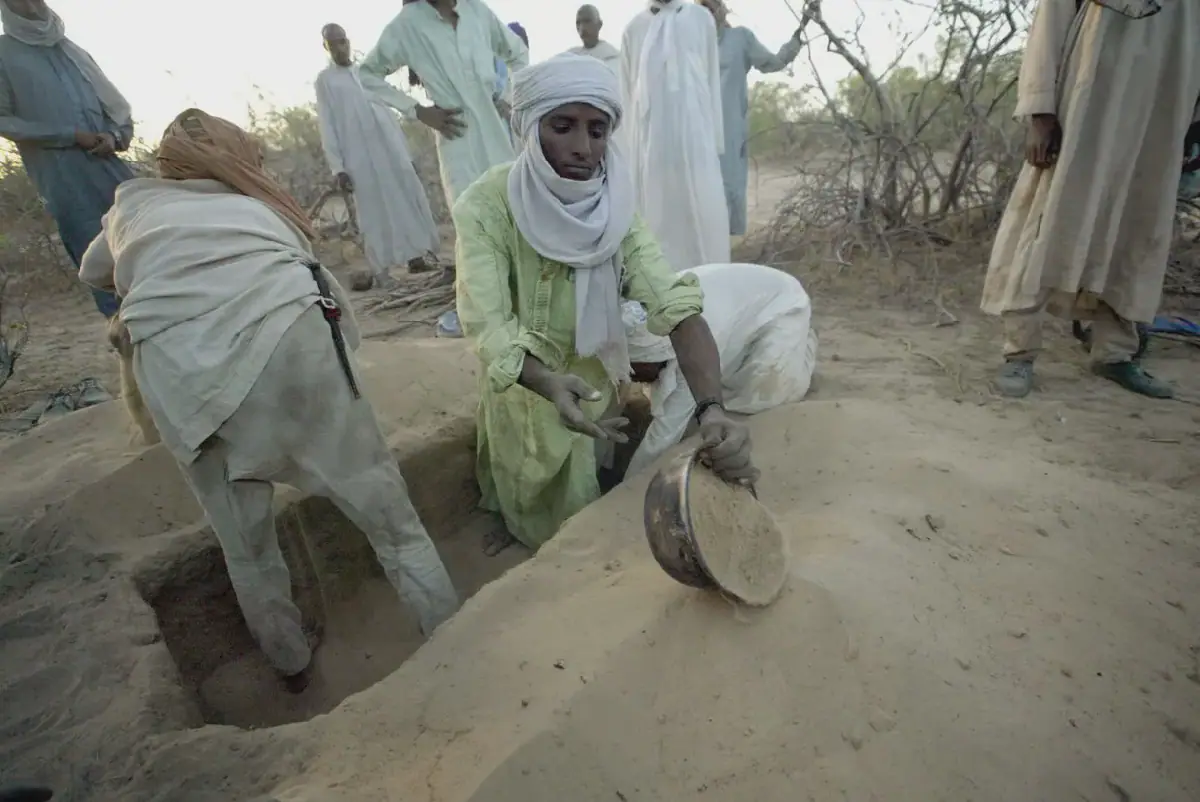
The government of Niger has ordered the expulsion of several thousand members of the Mahamid community, a nomadic Arab tribe, by December 31, 2026. The community, which has lived in the south-east of the country for decades, is accused of supporting jihadist groups, including Boko Haram and the Islamic State in West Africa (Iswap). The decision has raised concerns about human rights, nationality, and coexistence between different populations.
The ultimatum was delivered to community representatives by the governor of the Diffa region, General Mahamadou Ibrahim Bagadoma, on November 8. The government claims that some Mahamid members have been involved in supplying arms and logistics to terrorist groups. However, human rights groups argue that this does not justify collective expulsion and that individual responsibilities must be established through proper investigations and judicial procedures.
The process of expulsion began in April 2026, when the Ministry of Interior instructed governors to identify Mahamid individuals, withdraw their Nigerien identity documents, and organize their repatriation to their country of origin. This has raised concerns about the fate of those born in Niger, or who have lived there their entire lives, and who possess documents establishing their Nigerien nationality.
Tensions between the Mahamid and local communities in Diffa have been simmering for years, particularly over access to water and grazing land. The increase in livestock, especially camels, and the scarcity of natural resources have led to clashes, sometimes resulting in fatalities. The government has also ordered the closure of several schools and water wells built by the state, claiming they benefit the Mahamid at the expense of local populations.
The Mahamid community has been present in Niger since the 1970s, when they fled drought and conflict in their native region of Abéché, in eastern Chad. Over the years, more groups have joined them, fleeing conflicts in Chad and Sudan. Several generations have grown up in the region, and for many families, Niger is not just a temporary refuge but a home where they have built their lives, developed their pastoral activities, and established social connections.
Human rights groups argue that the collective expulsion of the Mahamid community raises serious concerns about human rights, particularly the right to nationality and the protection against forced displacement. The Nigerien government has a duty to protect its population from jihadist violence, but this must be balanced against the need to respect fundamental rights and individual guarantees.
As the deadline for expulsion approaches, concerns are growing about the impact on the affected communities and the potential for further conflict in a region already plagued by insecurity. The Nigerien authorities will need to balance security concerns with social cohesion and respect for the rule of law to avoid exacerbating tensions and triggering new displacements.
Key points
- The Nigerien government has ordered the expulsion of several thousand members of the Mahamid community by December 31, 2026.
- The community is accused of supporting jihadist groups, but human rights groups argue that this does not justify collective expulsion.
- The expulsion raises concerns about human rights, nationality, and coexistence between different populations in the region.
Reporting sources
- Niger : les Mahamid menacés d’expulsion · Le Pays (Tchad)