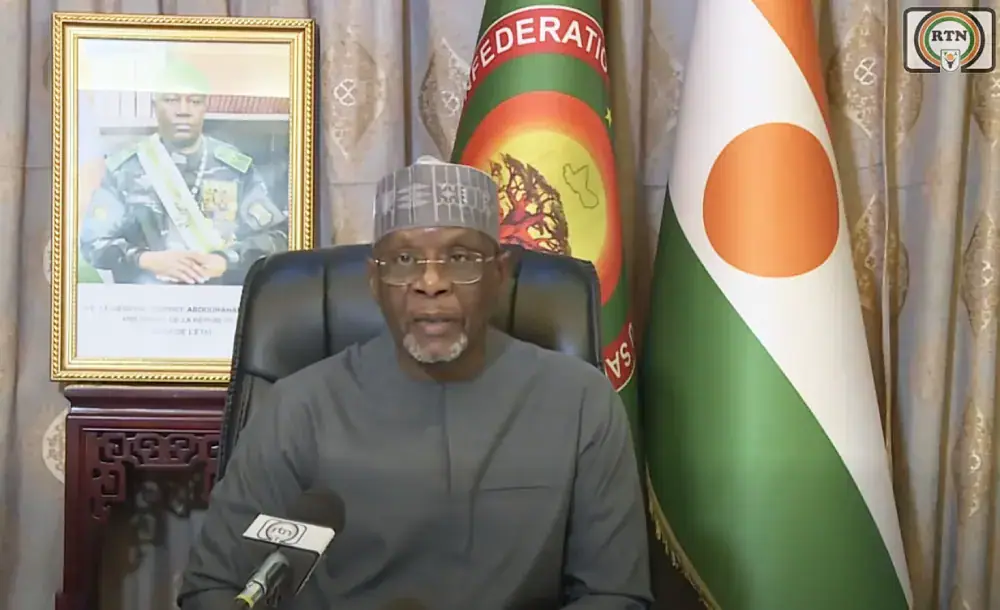
The Nigerien government has announced seven measures against three oil companies, CNPC-NP, WAPCO, and SORAZ, citing a lack of progress in implementing their commitments under a May 18, 2026 partnership agreement. The measures were read out by Bakary Yaou Sangaré, head of the negotiation committee with oil partners, on November 28, 2026. A 45-day ultimatum issued on October 13, 2026, has expired without significant progress.
The measures target various aspects of the oil companies' operations in Niger. The government will impose penalties for failure to repatriate export revenues, withdraw from unexploited Agadem oil fields, and reject maintenance and financial costs for the Niger-Benin export pipeline. The companies must also refund sums deemed unduly paid by the Nigerien state and pay for use of the Agadem-SORAZ pipeline. Additionally, work visas will be revoked, and environmental offenses will be prosecuted.
The Nigerien government aims to enforce its legislation and recover financial losses through these measures. By withdrawing from unexploited oil fields, the state can regain control over its natural resources. The measures also seek to ensure compliance with environmental regulations and protect the country's interests. The decisions have significant financial, operational, and personnel implications for the affected companies.
Despite the firm stance, Niger remains open to dialogue with its oil partners. A delegation from China has been dispatched to discuss the issues, and the Nigerien government is willing to engage in talks. The outcome of these discussions will determine whether the announced measures will be fully implemented or if they will lead to a resolution.
The partnership agreement was signed on May 18, 2026, but six months and ten days later, the Nigerien government has seen little progress. The expired 45-day ultimatum was intended to prompt the companies into action. With the measures now in place, the companies face increased pressure to comply with their commitments.
The Niger-Benin pipeline is a critical infrastructure for the country's oil exports. By rejecting maintenance and financial costs, Niger aims to recoup losses and ensure that the companies fulfill their obligations. The government's actions reflect its determination to protect its interests and enforce its laws.
The talks between Niger and its oil partners will be crucial in determining the future of their collaboration. If an agreement is reached, it could lead to the implementation of the partnership agreement and the development of Niger's oil resources. The Nigerien government's measures have set a clear precedent for its approach to enforcing its laws and protecting its interests.
Key points
- Niger announces seven measures against oil companies for non-compliance with partnership agreement.
- Measures include penalties, withdrawal from oil fields, and rejection of pipeline costs.
- Despite measures, Niger remains open to dialogue with oil partners.