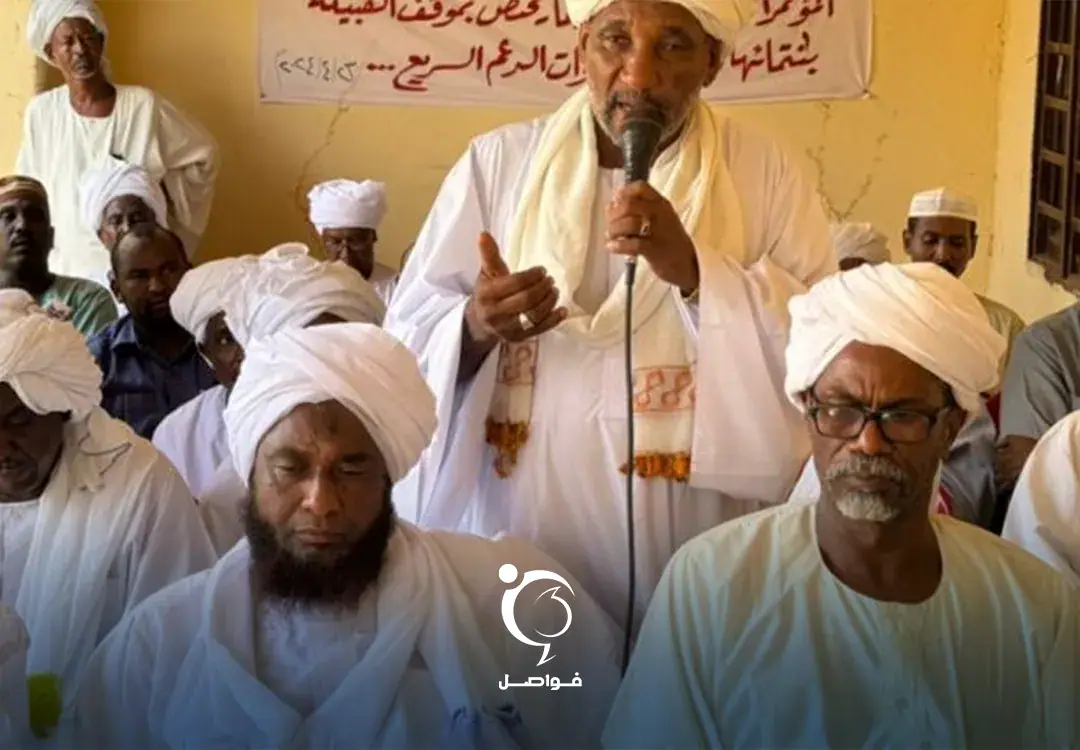
The government of Niger has given the Mahamid tribe, a group of Arab origin, a two-month ultimatum to leave the country. The decision was made following a meeting of the Regional Security Council on August 22, which raised concerns about the tribe's presence and activities in the country. The authorities accuse the Mahamid of entering and residing in Niger illegally, obtaining civil status documents through fraudulent means, and being involved in conflicts with other groups.
The Mahamid tribe has a long history in Niger, with their presence dating back to the 19th century. They originally migrated from Chad and Sudan, driven by patterns of nomadism, drought, and conflict in the region. Over time, the tribe has established itself in various parts of Niger, but their status has been a subject of controversy. In 2006, the government attempted to deport tens of thousands of Mahamid individuals, citing their lack of Nigerien citizenship.
The current ultimatum is not the first attempt to address the presence of the Mahamid tribe in Niger. In October, the Minister of Interior and General Security instructed the governors of the Diffa and Zinder regions to close all health centers and educational institutions attended by Mahamid individuals and suspend the issuance of civil status documents to them. The government claims that the Mahamid are involved in illegal activities, including the possession of firearms and the provision of arms and ammunition to armed groups active in the Lake Chad basin.
The Mahamid tribe's presence in Niger has been a contentious issue for many years. In 2006, the government's attempt to deport them was met with criticism from human rights organizations, which led to the suspension of the deportation process. The current ultimatum has not elicited a response from the Mahamid, who were asked to comment on the decision but declined. The situation remains uncertain, with the tribe facing a difficult decision about their future.
The Nigerien government's concerns about the Mahamid tribe are not limited to their presence and activities. The authorities also accuse them of being involved in conflicts with other groups and of possessing firearms illegally. These concerns are part of a broader regional security context, with the Lake Chad basin being a hotspot of instability and militancy. The government's efforts to address these concerns are likely to have implications for the region as a whole.
The Mahamid tribe's fate is uncertain, with many individuals facing a difficult decision about their future. Some may choose to leave Niger and return to their countries of origin, while others may attempt to remain in the country. The situation is complicated by the tribe's long history in Niger and their connections to the local population. The government's ultimatum has raised concerns about the potential for social unrest and conflict.
The international community is likely to be watching the situation closely, with human rights organizations and regional actors monitoring the developments. The Nigerien government's decision to give the Mahamid tribe a two-month ultimatum to leave the country has raised concerns about the potential for human rights abuses and the need for a peaceful resolution to the situation. The situation remains uncertain, with many questions about the future of the Mahamid tribe and the implications for regional security.
Key points
- The Nigerien government has given the Mahamid tribe a two-month ultimatum to leave the country, citing concerns over their presence and activities.
- The Mahamid tribe has a long history in Niger, with their presence dating back to the 19th century.
- The situation has raised concerns about the potential for social unrest and conflict, with many questions about the future of the Mahamid tribe and the implications for regional security.
Reporting sources
- النيجر تمنح قبيلة المحاميد مهلة شهرين لمغادرة البلاد باتجاه الحدود التشادية · fawaselmedia.com