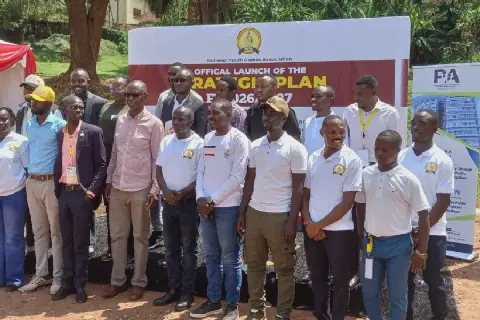
The Coalition for Better Nigeria has urged the Federal Government and relevant agencies to investigate alleged unfair treatment of Nigerians and host communities by multinational oil and gas companies operating in the Niger Delta. This call was made at a press conference, where the group emphasized the need for multinational operators to comply with Nigerian laws, contractual obligations, and local content requirements. The proposed investigation will cover issues related to employment, career progression, contracting opportunities, and crude oil evacuation arrangements.
According to the coalition, qualified Nigerians, particularly indigenes of host communities, should be given fair opportunities to rise to senior technical and management positions when they meet the required qualifications, experience, and performance standards. Employment, promotion, placement, and succession decisions should be transparent, merit-based, and free from discrimination based on ethnicity, place of origin, or other improper considerations. This move aims to ensure equal opportunities for Nigerians in the oil and gas industry.
The coalition also raised concerns over corporate policies that could restrict the career progression of qualified employees due to family relationships or affiliations with suppliers, contractors, or other companies doing business with their employers. While acknowledging the need for conflict-of-interest and ethical-compliance rules, the group argued that such policies should not automatically become barriers to the career advancement of qualified employees. This issue highlights the need for a balanced approach to regulating employee conduct and career development.
The group called for an investigation into alleged prolonged delays in the processing, certification, and payment of invoices submitted by qualified host-community contractors. Many indigenous contractors lack the financial capacity to withstand prolonged payment delays, which could undermine local businesses, affect employment, and weaken Nigerian participation in the oil and gas industry. This issue has significant implications for the development of local businesses and communities in the Niger Delta.
The coalition urged NNPC Limited, NEPL, and relevant petroleum regulatory authorities to examine crude evacuation arrangements, including allegations concerning the use or non-use of the Trans-Forcados Pipeline. The group also called on the authorities to establish whether operators were complying with approved metering, evacuation, fiscalisation, and reporting requirements. This move aims to ensure transparency and accountability in the management of Nigeria's hydrocarbon resources.
The coalition stressed that its demands were not for positions or contracts to be awarded to unqualified persons, but for fairness, accountability, and opportunity, not favouritism. Competence, safety, performance, and due process must remain paramount, while host communities should benefit meaningfully from legitimate employment, capacity development, and contracting opportunities generated by petroleum operations in their areas. This clarification highlights the group's commitment to merit-based practices and community development.
The coalition urged the Federal Government and relevant agencies to act promptly and transparently in addressing these concerns, which would promote better relations between oil companies and host communities and help prevent avoidable industrial and community tensions in the Niger Delta. By taking action, the government can ensure that Nigeria's natural resources contribute not only to national revenue but also to the sustainable development of communities and Nigerians whose environment hosts petroleum operations.
Key points
- Coalition for Better Nigeria calls for investigation into alleged unfair treatment of Nigerians and host communities by multinational oil and gas companies.
- Qualified Nigerians should be given fair opportunities to rise to senior technical and management positions in the oil and gas industry.
- The group urges the government to ensure transparency and accountability in the management of Nigeria's hydrocarbon resources.