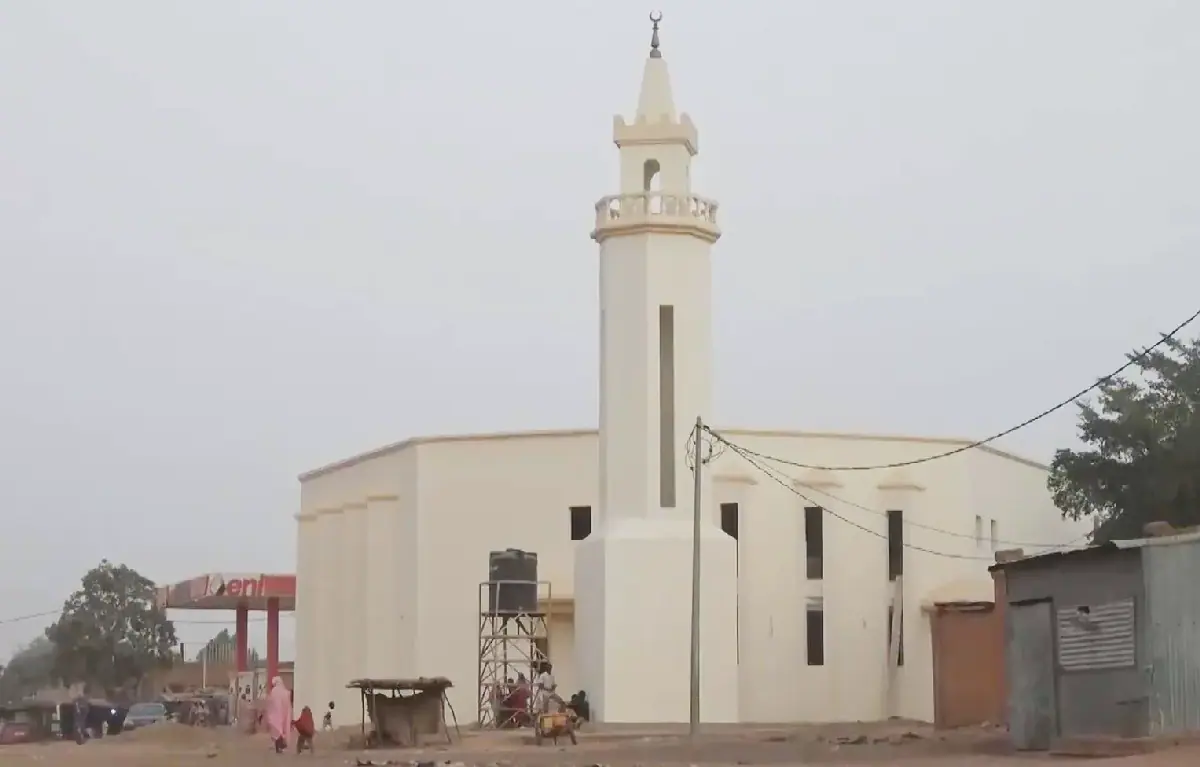
The city of Niamey has introduced new regulations for the construction of mosques and places of worship. The regulations, signed by the Administrator of Niamey, Colonel Boubacar Soumana Garanke, on November 17, 2026, aim to address the rapid growth of mosques and places of worship in the city. The new rules are designed to ensure that these constructions comply with urban planning regulations and do not obstruct public spaces.
The regulations, which consist of 24 articles divided into seven chapters, apply to all mosques, prayer rooms, integrated Quranic schools, and other religious installations in the five communes of Niamey. The rules require that all new mosques and places of worship obtain prior authorization from the competent authorities before construction can begin. Applicants must provide proof of land ownership, a document showing that the land is designated for religious use, and a technical dossier including architectural plans and construction characteristics.
The regulations also aim to prevent encroachment on public spaces, sidewalks, and roads. Mosques and places of worship must be built within the boundaries of their designated land, and no permanent structures can be built on neighboring properties, land reserves, or public spaces. Temporary installations related to mosque activities are allowed, but they must not exceed two meters beyond the land boundaries and must have written authorization from the administrative authorities.
The regulations also emphasize the importance of hygiene, safety, and good neighborliness. Mosques must have adequate sanitation facilities, a regulated wastewater evacuation system, and waste collection systems. The buildings must also provide safe access and evacuation routes for worshippers and be equipped with fire prevention measures. Additionally, mosque leaders must avoid excessive noise pollution and ensure that worshippers respect parking regulations.
The city authorities will conduct a general census of all mosques and places of worship in the five communes. The census will record details such as the location, responsible individuals, land situation, and construction characteristics of each mosque. Mosques with irregularities will be subject to technical and administrative diagnostics, and their leaders will be required to correct the situation within a specified timeframe.
The regulations also provide for controls, warnings, and sanctions. The city's technical services, urban planning, and municipal police will be responsible for monitoring compliance with the regulations. In case of infractions, mosque leaders may receive a warning specifying the required corrective actions and timeframe. Sanctions may include suspension of irregular work or removal of unauthorized installations.
The city authorities plan to hold awareness and consultation sessions with religious authorities to facilitate the implementation of the new regulations. The regulations aim to balance the right to freedom of worship with the need to maintain public order, protect individual rights, and ensure urban planning and safety standards.
Key points
- Mosques and places of worship must obtain prior authorization from competent authorities before construction can begin.
- The regulations aim to prevent encroachment on public spaces and ensure hygiene, safety, and good neighborliness.
- A general census of all mosques and places of worship will be conducted to identify irregularities and ensure compliance with the regulations.
Reporting sources
- Niamey : un arrêté encadre la construction des mosquées et lieux de culte · Nigerdiaspora - Niger