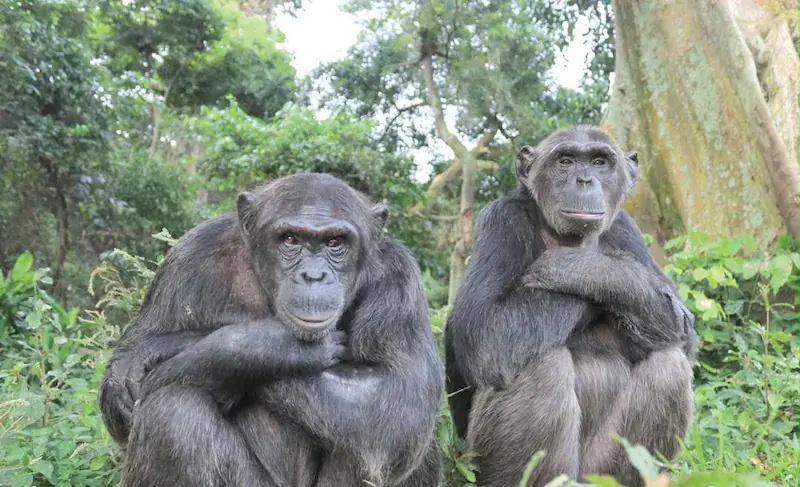
Located 23 km from Entebbe, Uganda, Ngamba Island Chimpanzee Sanctuary is home to 54 chimpanzees, seven of whom are babies. The sanctuary, established in 1998, provides a safe haven for chimpanzees rescued from the illegal wildlife trade, poaching, and those kept as pets. Amos Okello, a caretaker with 22 years of experience, welcomes visitors to the island, where chimpanzees like Afrika, a 19-year-old with two babies, have built a new life. Afrika's story began in 2007 when she was rescued from western Uganda and brought to the sanctuary as a trembling infant.
The chimpanzees at Ngamba Island have complex social structures, forming alliances, grooming one another, and competing for food, mates, and dominance. The sanctuary's daily routine involves feeding the chimpanzees four times a day, with carefully measured portions of fruits, vegetables, corn, and nutritional supplements. Veterinary staff monitor their health during feeding times, while keepers ensure all chimpanzees receive a share of food and observe their behavior and relationships within the groups. This attention to detail is crucial, as chimpanzees can be aggressive when threatened or agitated.
The sanctuary's work also involves managing reproduction, as chimpanzees can have single offspring or twins. To manage their numbers, chimpanzees are given contraceptive implants. However, some chimpanzees can remove their implants, sometimes with assistance from others, resulting in unexpected pregnancies. The birth of Surprise, the first chimpanzee born at Ngamba Island, illustrates the complexities of sanctuary management. Her mother, who had a contraceptive implant, gave birth to Surprise, highlighting the need for close observation and adaptability in caring for the chimpanzees.
Visitors to Ngamba Island can observe the chimpanzees from designated areas, but physical contact is prohibited. The shoreline, which offers striking views of Lake Victoria, marks a boundary for the chimpanzees, who generally fear water and avoid approaching the beach. Signage around the sanctuary reiterates the need to maintain a safe distance, protecting both humans and chimpanzees. This stringent rule ensures that the chimpanzees' welfare is not compromised, and visitors can observe them without disrupting their natural behavior.
Ngamba Island is not only home to rescued chimpanzees but also a haven for various bird species. More than 150 bird species have been recorded on the island, including egrets, swallows, fish eagles, and cormorants. The island's forest provides a natural environment for both the chimpanzees and the bird species, making it a unique destination for tourists and nature lovers.
The chimpanzees at Ngamba Island cannot be returned to the wild, as many were taken from their natural habitats too young to develop the survival skills and social bonds needed to thrive in a wild community. The sanctuary has yet to identify a suitable haven for their relocation, making it a lifetime commitment to care for the chimpanzees. Okello and his team work tirelessly to provide the chimpanzees with a safe and nurturing environment, ensuring their well-being and conservation.
As visitors leave Ngamba Island, they are reminded of the importance of conservation and the sanctuary's role in protecting these endangered animals. The chimpanzees, with their complex social structures and intelligent behavior, serve as a reminder of the need to preserve their natural habitats and prevent further exploitation. Ngamba Island Chimpanzee Sanctuary is a testament to the dedication of conservationists like Okello, who work to provide a safe haven for rescued chimpanzees and promote their welfare.
Key points
- The Ngamba Island Chimpanzee Sanctuary provides a safe haven for 54 rescued chimpanzees, including seven babies, and works to promote their welfare and conservation.
Reporting sources
- Ngamba Island, where chimpanzees wait for boats · The Observer