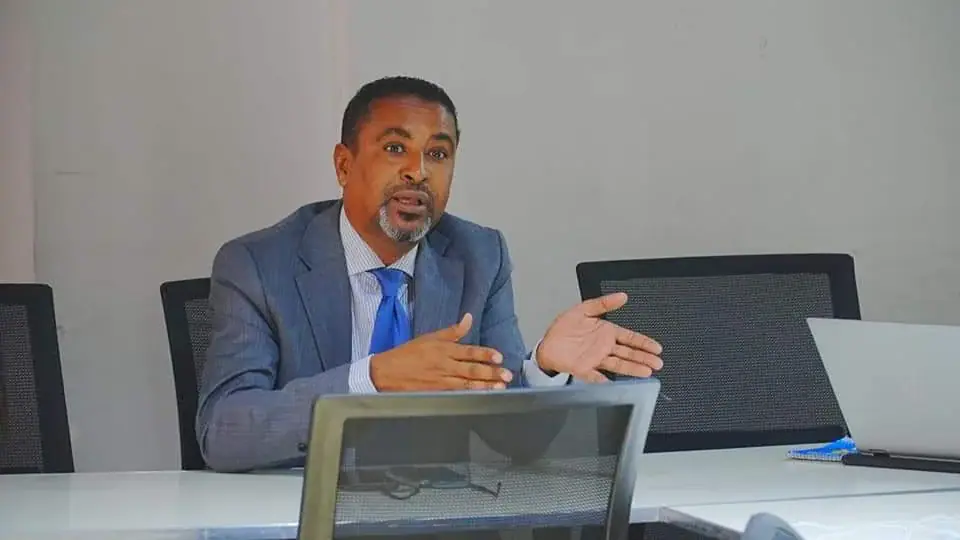
The United Nations has extended the term of its mission in Libya for another year, until October 31, 2027. This development has been hailed as a crucial step towards finding a lasting political solution to the country's crisis. According to Idris Ahmed, a journalist and political researcher, the extension provides a chance for Libya to break the cycle of political transition and move towards implementing a comprehensive agreement.
The decision to extend the UN mission's mandate comes on the heels of a mini-dialogue agreement, known as 4+4, reached on August 30, 2026. This agreement aims to restructure the High National Elections Commission and resolve disputes over the country's electoral laws and constitutional framework within 24 months. Ahmed emphasizes that the success of this agreement depends on the willingness of Libyan parties to make genuine concessions and move beyond narrow interests that have prolonged the transition and hindered state-building.
The UN mission's extended term will allow it to build on its accumulated experience in dealing with Libya's complex crisis. Ahmed notes that the mission's role needs to evolve from merely facilitating dialogue and organizing meetings to a more proactive approach that monitors commitments, identifies responsibilities, and sets clear timelines for implementation. This includes regular follow-up on the implementation of agreements, transparent reporting on progress, and identifying parties responsible for delays or obstacles.
Preparing for elections in Libya requires addressing long-standing issues, including the restructuring of the High National Elections Commission and resolving disputes over electoral laws. Ahmed stresses that forming a unified executive authority is crucial for facilitating the electoral process. This authority should focus on providing the necessary political, administrative, and security conditions for free and fair elections, rather than becoming a new transitional power structure.
The success of Libya's political process also depends on the international community's support. Ahmed highlights the importance of coordination between external actors, including Turkey, Egypt, and the European Union, to ensure a unified and coherent approach that respects Libya's sovereignty and promotes national reconciliation. The international community must avoid taking sides or pursuing competing initiatives that could exacerbate the crisis.
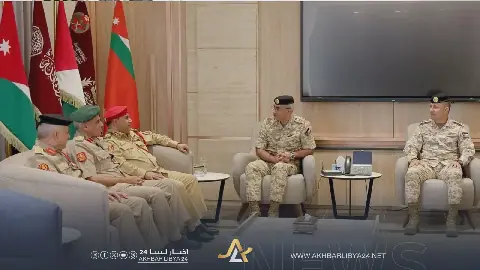
The General Command of the Libyan Armed Forces has expressed its willingness to support national reconciliation and end the crisis. Ahmed sees this as a positive step, but emphasizes that it must be followed by concrete actions to build trust and unify the country's military and security institutions. Reconciliation requires a genuine commitment to addressing the root causes of the conflict and finding a mutually acceptable solution for the country's future.
The ongoing Libyan crisis has far-reaching implications for regional and global security. Ahmed warns that the country's instability could lead to increased migration, human trafficking, and organized crime, posing a threat to North Africa, the Sahel region, and the Mediterranean. A stable Libya is in the interest of the international community, and external actors must work together to support a lasting political settlement and the country's transition to peace and stability.
Key points
- The UN mission's extended term offers a chance for Libya to break the cycle of political transition and move towards implementing a comprehensive agreement.
- The success of Libya's political process depends on the willingness of Libyan parties to make genuine concessions and move beyond narrow interests.
- The international community must coordinate its efforts to support a unified and coherent approach that respects Libya's sovereignty and promotes national reconciliation.