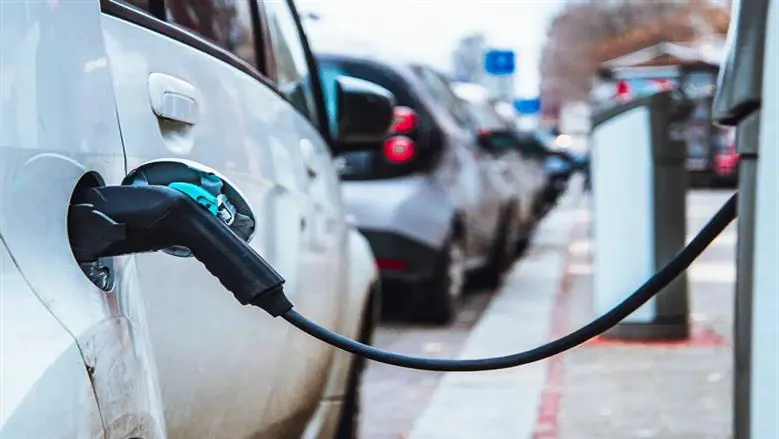
In September 2026, several countries worldwide introduced new regulations and changes related to electric vehicle (EV) charging. These changes focus on enhancing safety, streamlining licensing procedures, expanding infrastructure, and managing pressure on electricity grids. The rules vary across countries and regions, affecting home charging, public charging stations, and commercial properties. For instance, the US, California, Europe, and the UK have introduced distinct regulations to promote the adoption of electric vehicles.
In the United States, new safety requirements are being implemented for EV charging equipment installation. The National Electric Code in the US and the British Standard for Electric Vehicle Charging Infrastructure have specific requirements for emergency shutdown and isolation procedures. For non-residential buildings, the rules mandate a clear and accessible emergency shutdown means within 20 to 100 feet of the charging equipment.
California has approved a set of laws aimed at accelerating the deployment of EV charging infrastructure. These laws simplify licensing procedures for businesses involved in charging infrastructure projects, such as excavation, electrical upgrades, and solar canopies. The new rules also cap licensing fees for EV charging stations at a reasonable cost, with the law taking effect on July 1, 2027.
European countries are imposing stricter requirements on non-residential buildings and parking lots regarding EV charging infrastructure. By January 1, 2027, EU member states must ensure that at least one charging point is installed for every 10 parking spaces in non-residential buildings with over 20 parking spots. Alternatively, they can provide the necessary infrastructure to enable future installation of charging points.
In the UK, smart charging regulations require home and workplace charging devices to have default charging schedules outside peak hours and random delay functions. This helps prevent multiple devices from charging simultaneously, reducing strain on the grid. The UK government also plans to modify permitted development rights to facilitate the installation of EV charging equipment.
The new regulations aim to support the growth of electric vehicle adoption by addressing infrastructure and safety concerns. As the demand for EVs increases, governments worldwide are working to create a supportive environment for sustainable transportation. The changes will impact various stakeholders, including consumers, businesses, and charging infrastructure providers.
The implementation of these regulations is expected to have a positive impact on the environment and the economy. By promoting the use of electric vehicles, governments can reduce greenhouse gas emissions and dependence on fossil fuels. The growth of the EV industry is also expected to create new job opportunities and stimulate economic growth.
Key points
- New regulations for electric vehicle charging are being implemented globally to enhance safety, streamline licensing procedures, and expand infrastructure.
- The regulations vary across countries and regions, affecting home charging, public charging stations, and commercial properties.
- The changes aim to support the growth of electric vehicle adoption by addressing infrastructure and safety concerns.