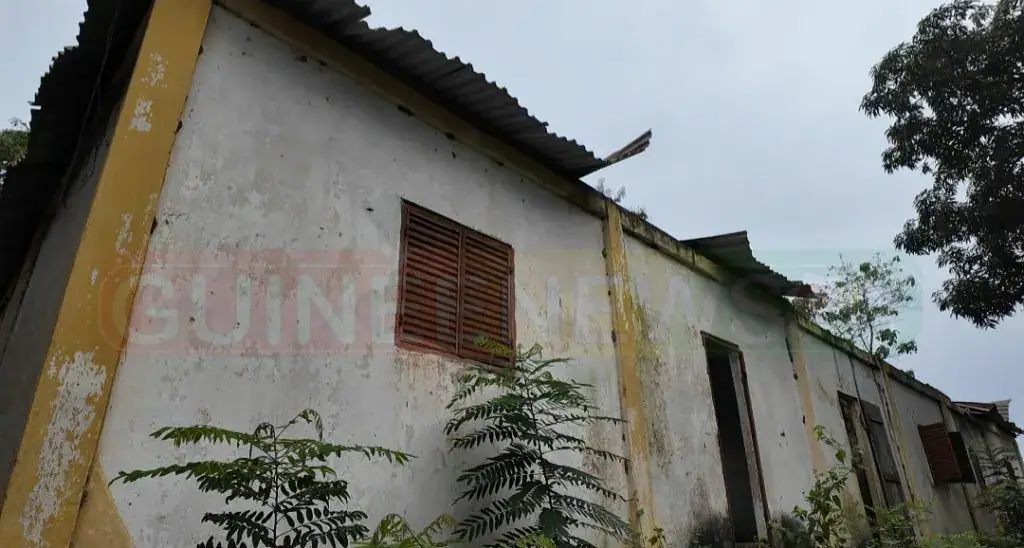
The rural commune of Molota, located 22 kilometers from Kindia's city center and 12 kilometers from the national highway, faces significant structural challenges. With a population of approximately 17,450 inhabitants spread across 13 districts and 48 sectors, covering an area of 850 km², Molota has substantial agricultural and pastoral potential. However, the commune struggles with inadequate infrastructure, landlocked communities, and recurring conflicts between farmers and herders.
Mayor Moussa Camara and his team are addressing these challenges, starting with dialogue with local populations to establish priorities for local development. They have organized meetings with various socio-professional groups, thanking citizens for a smooth election process and laying the groundwork for ongoing consultation. The new authorities have also held several extraordinary and ordinary sessions, developing and finalizing the annual investment program and communal budget.
Initial actions include renovating the youth center, with construction slated to begin soon, and a project to extend a primary school in partnership with the NGO Guinée 44. However, the commune's administrative buildings, inherited from when Molota was an arrondissement in 1967, are in a state of advanced degradation. The mayor is calling for solidarity from the state, Molota residents, and development partners to rehabilitate these essential infrastructures.
Improving accessibility is another significant challenge, as the degraded road network hampers population mobility and the transportation of agricultural products to markets. The mayor emphasizes the importance of upgrading the Foulaya-Molota axis, extending to Yemberen, to facilitate the movement of people and goods. This road is strategic not only for Molota but also for surrounding localities that need better accessibility.
Coexistence between farmers and herders is also a concern in this agricultural and pastoral community. The lack of financial resources prevents many farmers from securing their agricultural domains against animal encroachment, leading to periodic tensions between rural communities. The mayor stresses the need to protect cultivated areas and solicits support from development partners to implement security measures, such as fencing.
The absence of a cold storage facility is another significant handicap for producers, particularly women who engage in market gardening. Without adequate storage and transportation means, part of their produce risks spoilage before reaching markets. The mayor considers the construction of conservation infrastructure a strategic investment to improve producer incomes and enhance local agricultural potential.
Mayor Moussa Camara appeals to Molota residents, national authorities, and technical and financial partners for support in rehabilitating administrative infrastructures, opening up communities, and securing agricultural exploitations. The successful implementation of these projects will be crucial in addressing the commune's challenges and unlocking its agricultural and pastoral potential.
Key points
- The new mayor of Molota is addressing infrastructure degradation, landlocked communities, and agropastoral conflicts to promote local development.