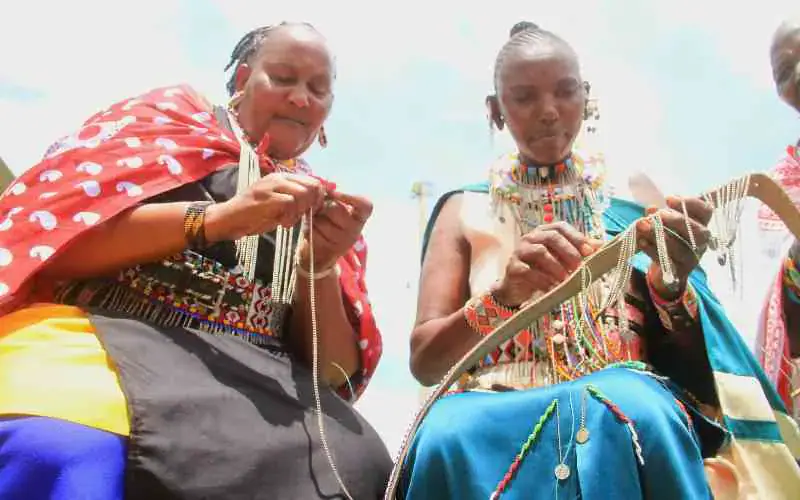
A new market is being constructed near the Sekenani Gate, the main entrance to the Maasai Mara National Game Reserve in Narok County, Kenya. The market aims to provide a permanent and organized place for Maasai women to display and sell their beadwork. The facility is over 97% complete and is expected to be officially opened by President William Ruto on November 10. The market is a significant development for hundreds of women who currently sell their products at the entrance of the reserve.
The women, mostly organized in groups and cooperatives, have been selling their beadwork in an informal and highly competitive environment. They often undercut each other to secure a sale, which undermines their earnings and weakens their bargaining power with tourists. Helen Muntet, chairlady of the Siana Ushanga Cooperative, says the new market will introduce uniform pricing, collective marketing, and a more organized selling arrangement. This will enable the women to work together, set fair prices, and improve their craft.
The market will provide the women with a safe and secure place to work, away from the dangers of wild animals and harsh weather conditions. Rebecca Senui, the Narok County coordinator in charge of beadwork, notes that nearly 1,500 women across the county are involved in the craft. She says the absence of a central selling point has exposed women to exploitation, unpredictable earnings, and unsafe working conditions. The new market is expected to address these challenges and provide a better future for the women.
Beadwork is an essential source of household income and a pathway to greater financial independence for the Maasai women. Muntet says proceeds from their work have helped women pay school fees, provide food for their families, and acquire livestock. Some women have even been able to educate their children, including taking them to university. The improved working environment is expected to enable the women to produce higher-quality beadwork capable of competing in wider markets.
The construction of the market is part of the preparations for this year's Annual Maa Cultural Festival. The festival, which kicks off on November 10, will feature various cultural activities, including traditional music, dance, and food. The market will provide a platform for the women to showcase their products and connect with potential buyers. The event is expected to attract tourists and locals alike, providing an opportunity for the women to promote their craft.
The new market is a significant development for the Maasai community, which has been working to preserve its cultural heritage. The market will not only provide a source of income for the women but also help to promote Maasai culture and traditions. The women are optimistic about the future and are looking forward to benefiting from the new market.
The project's success is expected to have a positive impact on the local economy and the Maasai community. With the new market, the women will be able to work together, improve their craft, and increase their earnings. This will enable them to support their families and contribute to the local economy. The project is a step towards empowering the Maasai women and promoting sustainable economic development in the region.
Key points
- The new market will provide a safe and secure place for Maasai women to sell their beadwork, away from the dangers of wild animals and harsh weather conditions.