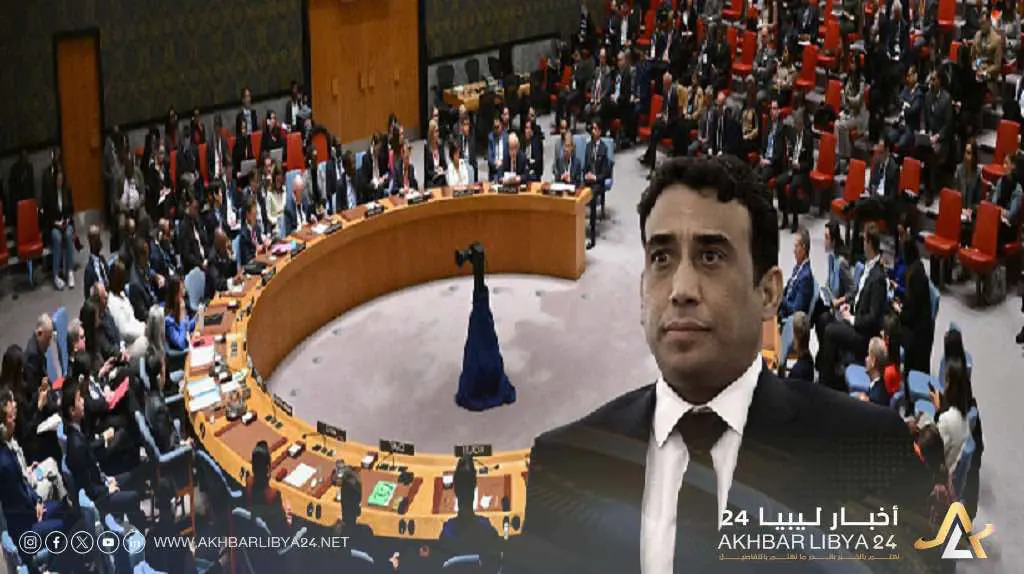
Libyan Presidential Council head Mohamed al-Menfi has announced the formation of a national reconciliation committee aimed at defusing conflicts and creating a safe environment for the country's political and electoral processes. The committee's goals include pre-empting conflicts, containing escalation, and supporting reconciliation efforts. Al-Menfi made the announcement during his address to the 81st session of the UN General Assembly in New York.
The announcement has raised questions about the role of the Presidential Council in Libya's future. Some analysts believe that the committee may expand the council's sphere of influence, while others argue that its impact remains to be seen. Political analyst Khalid Mohamed al-Hajazi notes that the committee's formation may allow the council to present itself as a key player in managing the country's political environment.
However, the lack of details about the committee's composition, powers, and decision-making mechanisms has sparked concerns. The committee's success will depend on its ability to define its scope, represent various stakeholders, and implement its recommendations effectively. Libya has seen multiple initiatives and committees in the past, raising questions about the added value of this new committee.
The announcement has also drawn criticism from some Libyan politicians and activists. Nadiya al-Rashid, a political activist, has questioned the effectiveness of the committee and accused al-Menfi of relying on rhetoric rather than delivering tangible results. Al-Rashid also expressed concerns about the committee's potential impact on the country's economic and social challenges.
The formation of the reconciliation committee has also raised questions about the relationship between Libya's institutions. The participation of Tahir al-Baour, who was appointed to oversee the foreign ministry, in the Libyan delegation to the UN General Assembly has sparked debate about the representation of Libya's government abroad.
Al-Menfi's speech also highlighted the need for Libya to move beyond crisis management and towards building a stable state. He emphasized the importance of returning power to the Libyan people through elections, referendums, and constitutional and legal mechanisms. The success of the reconciliation committee will depend on its ability to translate these goals into concrete actions.
The reaction to the committee's formation has also been influenced by the complex dynamics of Libya's politics. The country's Presidential Council, government, and parliament have often been at odds, and the committee's impact will depend on its ability to navigate these divisions. The international community has expressed support for Libya's peace process, but the road ahead remains uncertain.
Key points
- The Libyan Presidential Council's announcement of a national reconciliation committee aims to defuse conflicts and create a safe environment for the country's political and electoral processes.
- The committee's success will depend on its ability to define its scope, represent various stakeholders, and implement its recommendations effectively.
- The formation of the committee has sparked questions about the role of the Presidential Council in Libya's future and the relationship between the country's institutions.