In the sector 8 of Fada, Burkina Faso, the "Partnership for Resilience in the Sahel" project has significantly improved the learning conditions for students at the non-formal education center. The project, implemented by UNICEF, GIZ, and PAM, with funding from the German Ministry of International Cooperation, was evaluated on October 2, 2026. The partners expressed satisfaction with the progress made. The center's director, Louise Thiombiano, was visibly emotional as she witnessed the transformation of the facility.
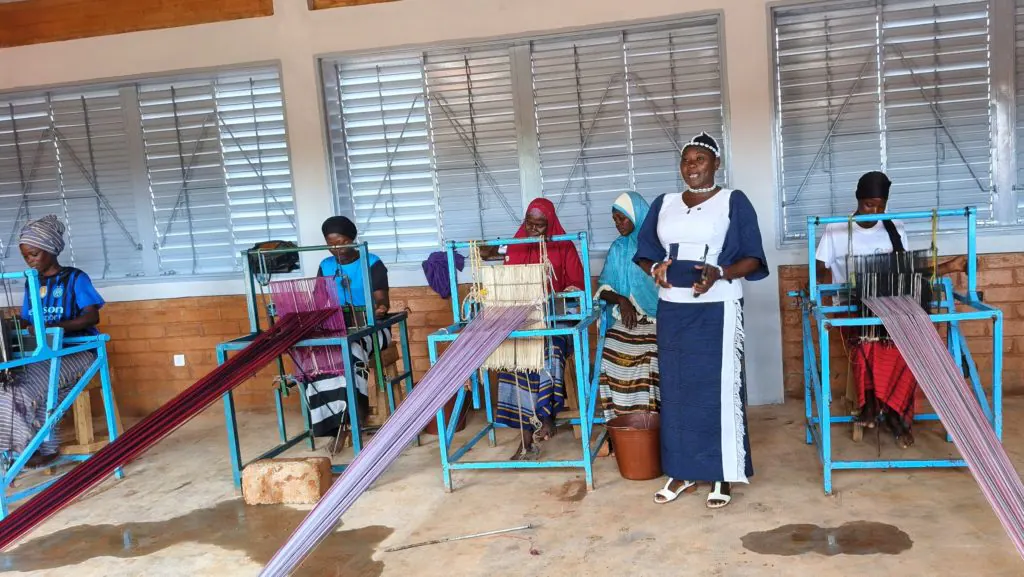
The center previously lacked a perimeter fence, leading to security concerns and frequent thefts. However, the project has successfully addressed these issues by constructing a fence and new infrastructure to facilitate learning. The center now boasts new workshops, including those for welding, tailoring, and computer studies. Additionally, two gardens have been built: one for pedagogical purposes and another for parents to grow vegetables for the school canteen. These developments have significantly enhanced the learning environment.
The new infrastructure is expected to increase student enrollment, with the director noting that many students are eager to join. The addition of shops will enable students to sell their products, generating revenue to purchase raw materials for their training. The project's impact on student numbers is anticipated to be substantial, potentially doubling current enrollment. The center has a history of success, having trained over 3,000 students in various skills since its inception.
Jean Mapuala, GIZ project manager for the "Partnership for Resilience in the Sahel," highlighted the collaborative efforts of the three implementing partners. He noted that GIZ has focused on strengthening the center's technical capacity through workshops and infrastructure development. The project aims to improve learning conditions, ultimately enhancing students' socio-professional integration prospects. The partners are optimistic about the project's potential to drive positive change.
Mayama Diyele/Thiombiano, PAM's field office chief in Fada, emphasized that the intervention aligns with the national policy to strengthen population resilience to various shocks. She described the project as a comprehensive package that enables the population to overcome vulnerability and achieve cohesion. The PAM's contribution includes the development of two gardens, one for students and another for encadreurs, which will serve as a pedagogical tool and support the school canteen.
The project's focus on resilience and self-sufficiency is reflected in its design, which aims to support the center's long-term sustainability. By providing students with practical skills and entrepreneurial opportunities, the project seeks to empower them to become more independent. The center's success is evident in its high graduate employment rate, with over 75% of former students working on their own account.
The "Partnership for Resilience in the Sahel" project has made significant strides in improving the learning environment at Fada's non-formal education center. With its focus on infrastructure development, skills training, and self-sufficiency, the project is poised to have a lasting impact on the community. As the center continues to grow and develop, it is likely to serve as a model for similar initiatives in the region.
Key points
- The project has improved learning conditions and increased security at the non-formal education center.
- The center's new infrastructure includes workshops, gardens, and shops, which will support student learning and entrepreneurship.
- The project aims to enhance students' socio-professional integration prospects and promote resilience in the community.