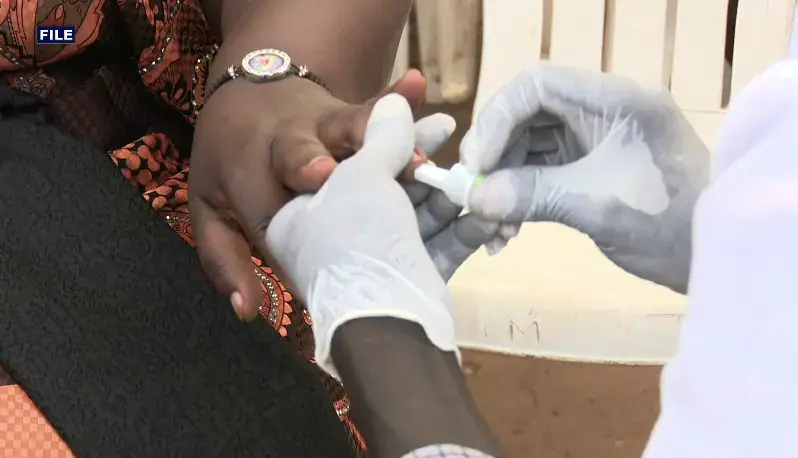
The Ministry of Health and Uganda Aids Commission are urging stakeholders to join forces to combat HIV transmission in Uganda. Despite progress in testing, treatment, and viral suppression, new infections continue to be a concern, particularly among adolescent girls and young women. They are four times more likely to acquire HIV than their male counterparts. This disparity highlights the need for targeted interventions to address the unique challenges faced by this demographic.
As the country prepares for the National HIV and AIDS Symposium from November 16th to 18th, attention is turning to the drivers of new infections and sustainable financing of prevention programmes. The symposium will bring together stakeholders to discuss the current state of HIV and AIDS in Uganda and explore strategies for addressing the challenges. The Ministry of Health and Uganda Aids Commission are working to identify effective solutions to reduce new infections and improve the overall health and well-being of Ugandans.
Uganda is stepping up efforts to curb HIV transmission through new prevention interventions, including a six-month injectable drug, Lenacapavir. This innovative approach aims to provide an additional tool in the fight against HIV and help reduce the number of new infections. The introduction of Lenacapavir is part of a broader strategy to strengthen HIV prevention and treatment services in Uganda.
The Ministry of Health and Uganda Aids Commission are emphasizing the importance of collaborative efforts to address the HIV epidemic. They are calling on stakeholders, including government agencies, civil society organizations, and community leaders, to work together to develop and implement effective HIV prevention and treatment programmes. By pooling resources and expertise, Uganda can make significant progress in reducing new infections and improving the health and well-being of its citizens.
Adolescent girls and young women in Uganda face significant challenges in accessing HIV prevention and treatment services. Social and economic factors, such as poverty, lack of education, and limited access to healthcare, contribute to their increased vulnerability to HIV infection. Addressing these underlying factors is critical to reducing new infections and improving health outcomes for this demographic.
The National HIV and AIDS Symposium will provide a platform for stakeholders to share knowledge, experiences, and best practices in HIV prevention and treatment. The event will also offer an opportunity for participants to engage in discussions and debates on the most effective strategies for addressing the HIV epidemic in Uganda. By sharing expertise and learning from each other, stakeholders can develop more effective solutions to the challenges posed by HIV and AIDS.
The Ugandan government is committed to strengthening its response to the HIV epidemic. Through the Ministry of Health and Uganda Aids Commission, the government is working to improve HIV prevention and treatment services, increase access to healthcare, and reduce the stigma associated with HIV and AIDS. By working together with stakeholders and leveraging resources, Uganda can make significant progress in reducing new infections and improving the health and well-being of its citizens.
Key points
- Adolescent girls and young women in Uganda are four times more likely to acquire HIV than their male counterparts.
- Uganda is introducing new prevention interventions, including a six-month injectable drug, Lenacapavir, to curb HIV transmission.
- The National HIV and AIDS Symposium will take place from November 16th to 18th to discuss the drivers of new infections and sustainable financing of prevention programmes.