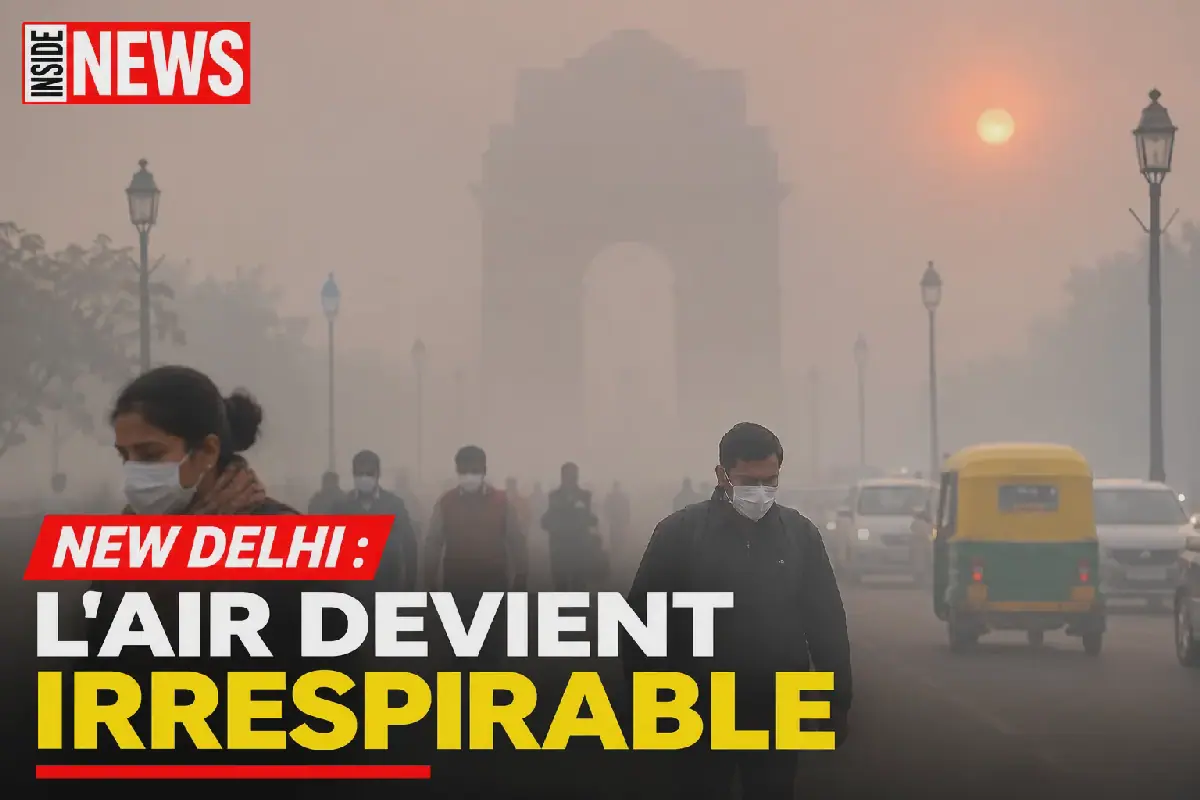
A thick layer of pollution has engulfed New Delhi, India's capital, following Diwali celebrations, with air quality levels categorized as very poor or severe in several areas. On November 9, 2026, the air quality index (AQI) was recorded at around 370, according to widely reported measurements. This significant deterioration in air quality is attributed to the extensive use of fireworks during the festivities, which added to the existing emissions from vehicles, industrial activities, construction sites, and agricultural fires in neighboring states.
The situation was exacerbated by unfavorable meteorological conditions, including weak winds and cooler temperatures that limited the dispersion of pollutants above the city, further exposing residents to hazardous conditions. The AQI in several stations exceeded the threshold of 400, classified as "severe" on the Indian scale. This level of pollution can cause immediate health effects, including eye and throat irritation, respiratory difficulties, and aggravation of certain medical conditions, particularly among vulnerable populations such as children, the elderly, and those with pre-existing lung or heart conditions.
The Indian government has implemented restrictions on certain activities, including construction, diesel generators, and fireworks, to mitigate emissions. However, the recurring nature of this winter pollution crisis highlights the challenges faced by authorities in addressing the issue. The current situation underscores the need for a more comprehensive approach to tackle the structural causes of urban pollution, rather than relying solely on temporary measures.
The pollution crisis in New Delhi is a pressing concern, with significant implications for public health. The city's residents are exposed to hazardous air quality levels for extended periods, which can have long-term effects on their health and well-being. The government must work towards implementing effective measures to reduce emissions and improve air quality, not only during peak pollution periods but also throughout the year.
The use of fireworks during Diwali celebrations has been a major contributor to the pollution crisis in New Delhi. While the government has imposed restrictions on the sale and use of fireworks, their continued use has significant environmental and health impacts. Alternative celebrations and awareness campaigns can help reduce the reliance on fireworks and promote more sustainable practices.
The air pollution crisis in New Delhi requires a multi-faceted approach that involves government agencies, industries, and residents. By working together, it is possible to develop effective solutions to mitigate the effects of pollution and improve air quality. This can include initiatives such as increasing green spaces, promoting clean energy, and implementing stricter regulations on emissions.
As the situation continues to unfold, residents of New Delhi are advised to take precautions to minimize their exposure to pollution. This includes wearing masks, avoiding outdoor activities, and staying informed about air quality levels. The government must also prioritize the development of long-term strategies to address the root causes of pollution and ensure a healthier environment for the city's residents.
Key points
- Several areas in New Delhi recorded an AQI of over 400, classified as "severe" on the Indian scale.