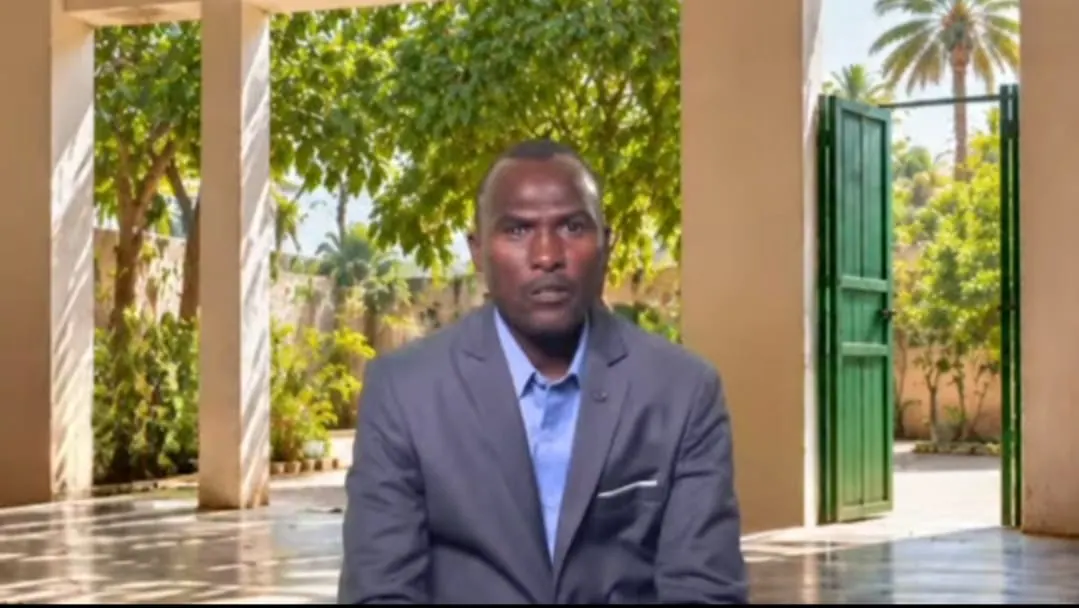
A significant blow has been dealt to Sudan's Rapid Support Forces (RSF) as a senior commander, Lieutenant General Mohamedin Ismail, announced his defection to the Sudanese army. Ismail, who served as deputy chief of staff for the Sudan Liberation Movement, a coalition allied with the RSF, cited war crimes, ethnic cleansing, and human rights abuses as reasons for his decision. He expressed his willingness to cooperate with the army under the general amnesty offered by army chief General Abdel Fattah al-Burhan.
Ismail's defection is seen as a major setback for the RSF, which has been embroiled in a conflict with the Sudanese army. He accused RSF leader Mohamed Hamdan "Hemetti" Dagalo and his family of deviating from their initial goals and pursuing foreign-backed agendas. Ismail stated that they were misled by slogans of change and justice, but ultimately, their actions led to destruction and death in Darfur and other parts of Sudan.
The defector claimed that the RSF's actions were in contradiction to their values and morals. He emphasized that the army and the Sudanese people have thwarted the RSF's plans. Ismail also extended an apology to the Sudanese people for standing on what he described as the "wrong side." He expressed readiness to move from Kordofan to Am Dafuq to confront those responsible for the atrocities.
Ismail's decision to defect was made public on October 10, 2026. He announced that he was accompanied by several officers, non-commissioned officers, and soldiers. The defection is considered a significant development in the ongoing conflict in Sudan. The RSF has been accused of numerous human rights abuses, including ethnic cleansing and forced displacement.
General al-Burhan's amnesty offer appears to have attracted some high-ranking officials from the RSF. Ismail's defection may encourage others to follow suit. The Sudanese army has been battling the RSF for control of the country. The conflict has resulted in significant humanitarian crises and displacement of civilians.
The RSF was formed in 2013 as a militia to fight against rebels in Darfur. However, it has since become a powerful force in Sudanese politics. The group's leader, Hemetti, has been a key figure in the country's transitional government. The defection of Ismail and others may weaken the RSF's position in the conflict.
The implications of Ismail's defection on the conflict in Sudan remain to be seen. The Sudanese army has gained a significant advantage with this development. The international community has been urging a peaceful resolution to the conflict.
Key points
- Senior RSF commander defects to Sudanese army citing human rights abuses
- Defector accuses RSF of war crimes, ethnic cleansing, and human rights abuses
- Defection seen as significant blow to RSF's position in Sudan conflict