The Government of Niger, with support from the World Bank Group, has implemented the Learning Improvement for Results in Education (LIRE) project, a US$370 million initiative aimed at improving access and quality of teaching and learning conditions in Niger. The project, approved in April 2020, focuses on building permanent classrooms, providing furniture, solar power, and internet connectivity, and training teachers. This comprehensive approach has led to significant improvements in learning conditions, particularly in the Maradi region.
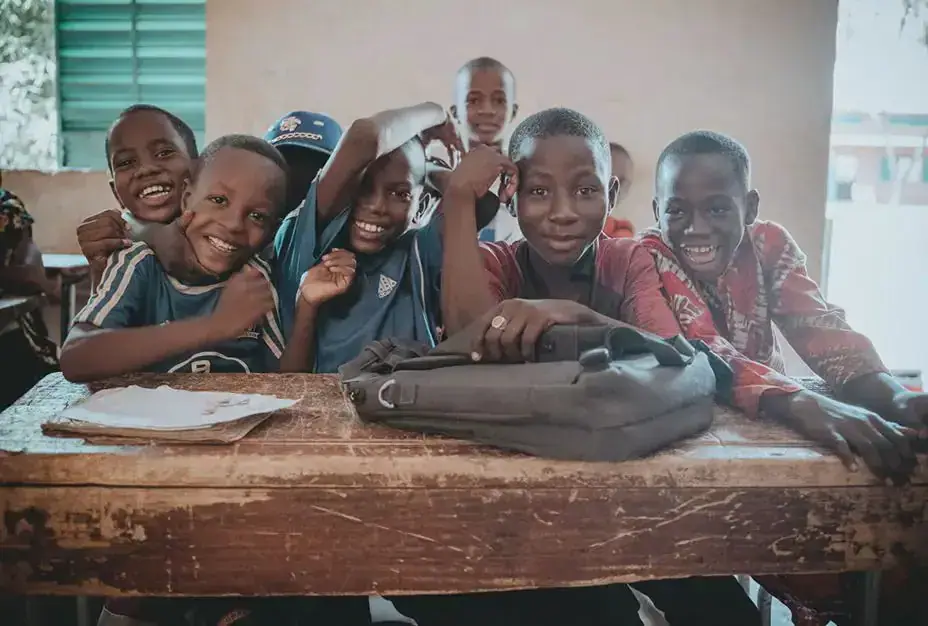
In the village of Dan Gamdji, a new permanent classroom has been built, replacing a straw classroom that offered little protection against extreme heat, fires, and harsh weather. The new classroom is equipped with desks, benches, solar power, and internet connectivity, making it a more suitable learning environment. Nafiou Hachimou, a 14-year-old student, says, "In the past, we were sitting in straw classrooms on the floor with no electricity. From March to June, it was very hot, and it was difficult to learn." The new classroom has improved conditions for both teaching and learning.
The LIRE project has also led to an increase in enrollment and attendance in schools. At Medersa Tibiri 2, a bilingual French-Arabic school in Niger's Maradi region, primary and preschool enrollment rose from 149 to 234 students and 18 to 85 students, respectively, in just one year. The number of girls attending the school also grew, from 75 to 120 over the same period. These trends suggest growing confidence among families in the quality of education schools provide.
The construction of new classrooms has also created significant jobs for local communities. Since February 2026, 6,165 jobs have been created, with contracts ranging from three to nine months. These jobs have brought income and economic activity flowing directly into communities where formal employment opportunities are limited. The project has not only improved learning conditions but also contributed to the local economy.
The LIRE project takes a comprehensive approach to improving education in Niger, focusing not only on infrastructure but also on teacher training, coaching, and supervision support. Students are provided with textbooks and learning materials in French and local languages, and targeted interventions help girls, out-of-school children, and vulnerable learners build foundational reading and numeracy skills.
The project's impact extends beyond the classroom, with solar-powered schools attracting community members to settle nearby, creating greater safety in the village. Nafiou Hachimou's father, Hachimou Idi, a mason by profession, says, "I did not go to school, but I am doing everything I can so that my children can study." He remembers when parents had to collect millet stalks to build classrooms that termites would damage season after season.
The LIRE project is set to run until April 2029, with the goal of improving access and quality of teaching and learning conditions in Niger. With its comprehensive approach and significant investments in infrastructure, teacher training, and community engagement, the project has the potential to transform education in Niger and provide opportunities for children like Nafiou Hachimou to achieve their goals.
Key points
- The LIRE project has created 6,165 local jobs since February 2026.
- Enrollment at Medersa Tibiri 2 rose from 149 to 234 students in one year.
- The project aims to improve access and quality of teaching and learning conditions in Niger by 2029.
Reporting sources
- From Straw to Permanent Classrooms: Transforming Learning Environments in Niger · The Tanzania Times – News from Tanzania, Africa, World, Breaking News, Weather, Environment and Climate Change