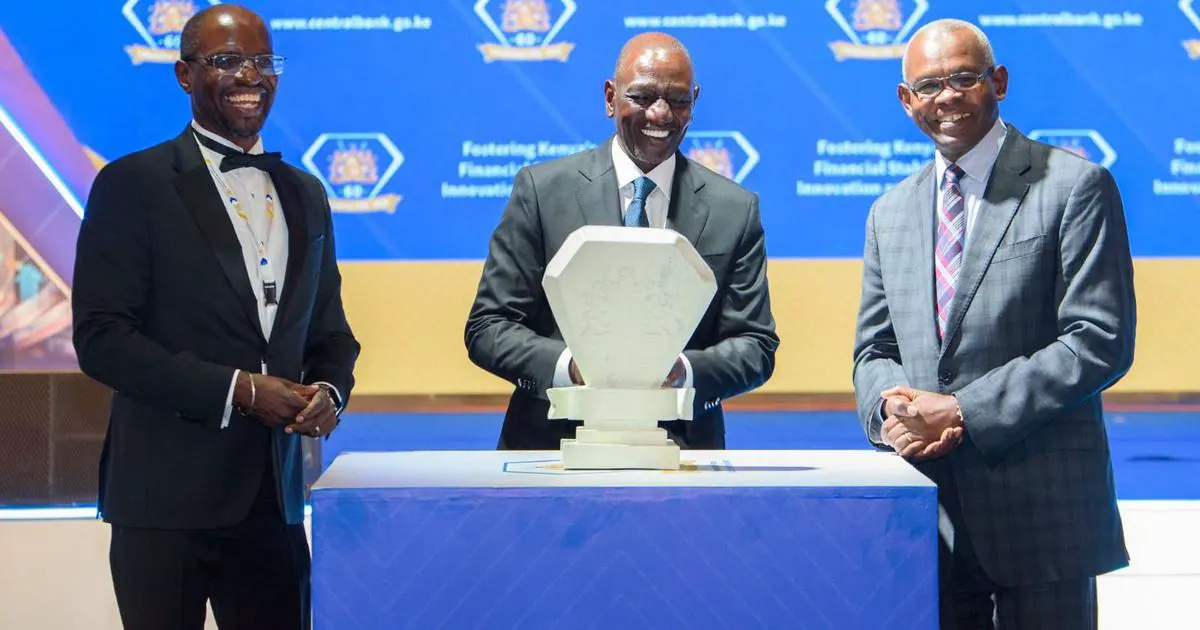
The Central Bank of Kenya (CBK) and National Treasury have published the draft National Payment System Bill, 2026, alongside a draft National Payment System Policy, opening the proposals to public participation. The Bill seeks to replace the existing National Payment System Act and modernise the legal framework around payments, fintech, consumer protection, and data. This move aims to introduce an open-finance framework, allowing licensed third parties to access customer financial data.
Under the proposed system, banks, mobile-money platforms, and other payment service providers would be required to have systems capable of securely sharing customer data with third parties for open-finance purposes. The draft Bill states that CBK may require a payment service provider or payment-system operator to establish a mechanism for securely sharing customer data after obtaining the customer’s consent. This means that customers would have control over who accesses their financial information.
The proposed framework contemplates account-information and payment-initiation services, bringing Kenya closer to the open-banking systems already used in several other markets. The information held by a financial provider could become portable between regulated services where the customer authorises access. This could include information connected to accounts, payments, and transaction activity - the financial information a provider needs to make another service work.
The exact categories and technical standards would depend on regulations made under the proposed law. For example, instead of giving a fintech screenshots or manually downloading bank statements when applying for a service, a customer could potentially authorise the fintech to retrieve the relevant information directly through a regulated connection. This would make it easier to develop products for payments, personal financial management, credit, and other financial services.
The argument for introducing open finance is largely about competition and innovation. At present, financial data is concentrated inside the platforms where transactions take place. A bank knows what happens in a customer's account; a mobile-money provider has visibility of activity on its platform. Open finance could allow licensed fintechs to build services around information that customers already generate, without each new company having to build a completely separate relationship with every bank or payment provider.
CBK says the wider Bill is intended to promote interoperability, competition, innovation, and financial inclusion while strengthening consumer and data protection. The proposed framework also falls under the Data Protection Act, which gives individuals rights over their personal information, including the right to know how their data is being used, access personal data held about them, object to certain processing, and seek correction of inaccurate information.
If enacted, payment providers would then have to comply with the new requirements. The proposal still has to go through Kenya's legislative process. M-Pesa, a pioneering mobile phone-based money transfer, payments, and micro-financing platform launched in 2007 by Safaricom and Vodafone, would fall within the broader ecosystem whose systems may have to support secure data sharing. However, that does not mean another company automatically gets access to a person's M-Pesa history without their consent.
Key points
- The Central Bank of Kenya proposes an open-finance system to allow licensed third parties to access customer financial data held by banks, M-Pesa, and other payment providers.
- The proposed framework would require payment service providers to have systems capable of securely sharing customer data with third parties for open-finance purposes, with customer consent.
- The move aims to promote interoperability, competition, innovation, and financial inclusion while strengthening consumer and data protection.