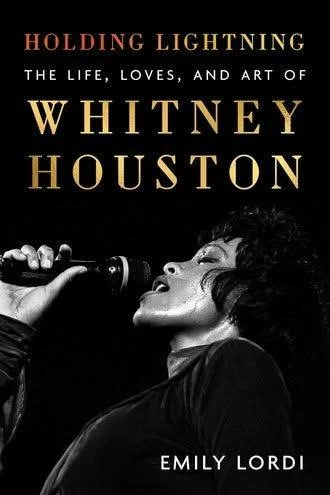
The book, written by literary critic Emily Lordi, provides an in-depth look at Whitney Houston's life, exploring her journey from a young girl singing in church to becoming a global music icon. Lordi's work goes beyond the typical narrative of Houston's life, instead offering a nuanced portrayal of the singer's accomplishments and struggles. With a career spanning multiple genres, including music and film, Houston's impact on the entertainment industry is undeniable.
Whitney Houston's early life was marked by her love of music, which was encouraged by her mother, Cissy Houston. She began singing in church and later worked as a model, becoming the first African American woman to appear on the cover of Seventeen magazine. At 19, she signed with Arista Records, embarking on a path that would lead to remarkable success. With over 200 million albums sold and numerous awards, including multiple Grammy Awards, Houston's achievements are a testament to her talent and dedication.
Despite her immense success, Houston faced challenges as a young black woman in the music industry. She encountered criticism from some in the black community who felt she was not adequately representing her roots. This was evident when she was booed at the 1989 Soul Train Awards, an experience that contrasted sharply with her warm reception at the Grammy Awards earlier that year. This mixed reception highlights the complexities Houston navigated throughout her career.
One of Houston's most significant film roles was in "The Bodyguard," which starred alongside Kevin Costner and was released in 1992. The film's soundtrack, featuring her iconic rendition of "I Will Always Love You," became a massive hit, further cementing her status as a music and film star. This success was followed by other notable films, including "Waiting to Exhale" and "The Preacher's Wife," which endeared her to a broader audience, particularly within the African American community.
Houston's personal life, including her marriage to Bobby Brown, was often scrutinized by the media. Her struggles with addiction to drugs and alcohol were well-documented, and her behavior became increasingly unpredictable. Despite these challenges, Houston remained a beloved figure, and her influence extended beyond her music to supporting other black female artists. Her ability to collaborate with and uplift others in the industry is highlighted in Lordi's book.
According to Lordi, Houston was known for her incredible vocal range and her ability to convey deep emotion through her performances. She was capable of embodying different personas, from the playful tone in "How Will I Know" to the gravitas of her national anthem performances. This versatility made her a unique talent, and her legacy continues to inspire new generations of artists.
The book also sheds light on Houston's evolution as an artist, particularly with her 1990 album "I'm Your Baby Tonight," which Lordi describes as a bold step in her career. By 1994, Houston had taken greater control over her music, surrounding herself with a predominantly black band, a move that was seen as groundbreaking at the time. This shift allowed her to express herself more freely, both in her music and in her image.
Key points
- The book "Holding Lightning: The Life, Loves and Art of Whitney Houston" offers a nuanced exploration of Houston's life, delving into her achievements, challenges, and impact on the music industry.
- Whitney Houston's legacy extends beyond her music, as she paved the way for future generations of black female artists.
- The author, Emily Lordi, provides a detailed analysis of Houston's career, highlighting her growth as an artist and her influence on the entertainment industry.