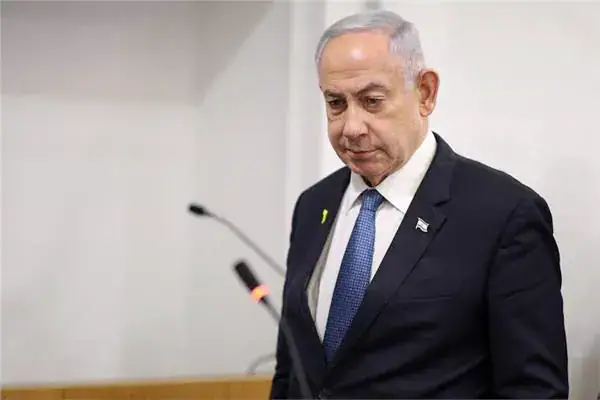
The Israeli opposition leader, Gadi Eisenkot, has made new allegations against Prime Minister Benjamin Netanyahu's office, claiming they interfered in the recent elections. According to reports, investigations are underway into possible vote-buying in the Arab community, which may have led to the arrest of three activists from the Ra'am party on election day. Eisenkot has vowed to investigate the matter, citing concerns over the integrity of the electoral process.
Eisenkot, leader of the Yesh Atid party, has been vocal in his criticism of Netanyahu, saying that the prime minister's continued hold on power poses a direct threat to Israeli democracy. He has accused Netanyahu of using state institutions to serve his own political interests and has refused to consider participating in new elections under Netanyahu's leadership. These statements come amid growing tensions within the Israeli political landscape.
The allegations made by Eisenkot are based on reports that Netanyahu's office may have been involved in fabricating information about vote-buying in the Arab community. This, in turn, led to the arrest of three Ra'am party activists on election day. While details of the investigations remain scarce, the accusations have sparked concerns over the potential erosion of trust in Israel's democratic institutions.
Netanyahu's office has yet to respond to the allegations made by Eisenkot. However, the opposition leader's comments reflect a broader debate within Israel about the prime minister's leadership style and the impact it has on the country's democratic processes. Critics argue that Netanyahu's tactics have contributed to a divisive and polarized political environment.
The recent elections in Israel were closely watched, both domestically and internationally, due to their potential implications for the country's future. The allegations of interference by Netanyahu's office have raised questions about the fairness and transparency of the electoral process. As investigations continue, it remains to be seen how these developments will affect the country's political landscape.
Gadi Eisenkot's decision to speak out against Netanyahu's leadership reflects a growing divide within Israeli politics. The Yesh Atid party leader has positioned himself as a vocal critic of Netanyahu's policies and tactics, calling for greater accountability and transparency in government. His comments have sparked a national conversation about the importance of preserving democratic norms and institutions.
The controversy surrounding Netanyahu's office and the recent elections has significant implications for Israel's democratic future. As the country navigates these challenges, the international community is watching closely, emphasizing the importance of free and fair elections. The outcome of the investigations and the responses from Netanyahu's office will be crucial in determining the next steps for Israel's democracy.
Key points
- Gadi Eisenkot accuses Netanyahu's office of interfering in recent Israeli elections.
- Investigations are underway into possible vote-buying in the Arab community.
- Eisenkot says Netanyahu's continued hold on power poses a threat to Israeli democracy.