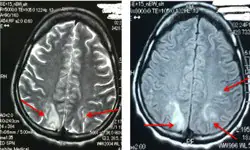
A recent study conducted at the Brazzaville University Hospital Center (BUHC) in Cameroon has shed light on the neurological manifestations and brain lesions found in patients admitted for eclampsia. The study, which was published in the Health Sciences and Diseases journal, aimed to describe the neurological manifestations and brain lesions found on brain imaging in patients admitted for eclampsia. Eclampsia is a pregnancy complication characterized by seizures, often accompanied by high blood pressure.
The study was a descriptive, cross-sectional, and retrospective analysis of patients admitted to the BUHC multipurpose intensive care unit from October 2016 to March 2017. A total of 67 patients were admitted for eclampsia, and six (8.9%) presented with persistent neurological manifestations beyond 24 hours of medical and/or obstetric care. The mean age of these patients was 25.6 ± 5.9 years. The study found that abnormal reflexes were present in all patients, indicating significant neurological involvement.
The study revealed that four patients presented with a severe disorder of consciousness, two with a motor deficit, one patient with blindness, and one with psychomotor agitation. These symptoms indicate the severity of neurological manifestations in eclampsia patients. Brain computed tomography (CT) and magnetic resonance imaging (MRI) were used to assess brain lesions. The CT scan revealed a hemorrhagic stroke in one patient, while MRI showed white matter hyperintensities in five patients, mainly parieto-occipital, compatible with posterior reversible encephalopathy syndrome (PRES).
The study also found that HELLP syndrome, a complication of preeclampsia characterized by hemolysis, elevated liver enzymes, and low platelet count, was associated with five cases of eclampsia. The presence of HELLP syndrome and PRES highlights the complexity of eclampsia and the need for prompt and effective management. The findings of this study have significant implications for the diagnosis and treatment of eclampsia patients.
Eclampsia is a major cause of maternal and fetal morbidity and mortality worldwide, particularly in developing countries. The study's findings emphasize the need for healthcare providers to be aware of the potential neurological complications of eclampsia and to provide timely and effective interventions. The use of brain imaging, such as CT and MRI, can help diagnose brain lesions and guide treatment.
The study's results are consistent with previous research on the neurological complications of eclampsia. Studies have shown that eclampsia can cause a range of neurological symptoms, including seizures, headaches, and altered mental status. The presence of PRES and other brain lesions in eclampsia patients highlights the need for a multidisciplinary approach to management, involving obstetricians, neurologists, and intensivists.
In conclusion, the study provides valuable insights into the neurological manifestations and brain lesions of eclampsia at Brazzaville University Hospital. The findings highlight the importance of prompt recognition and effective management of neurological complications in eclampsia patients. Further research is needed to determine the long-term outcomes of eclampsia patients and to develop evidence-based guidelines for management.
Key points
- Persistent neurological manifestations in eclampsia patients are mainly associated with posterior reversible encephalopathy syndrome (PRES).
- The study found that abnormal reflexes were present in all patients, indicating significant neurological involvement.
- HELLP syndrome was associated with five cases of eclampsia, highlighting the complexity of the condition.