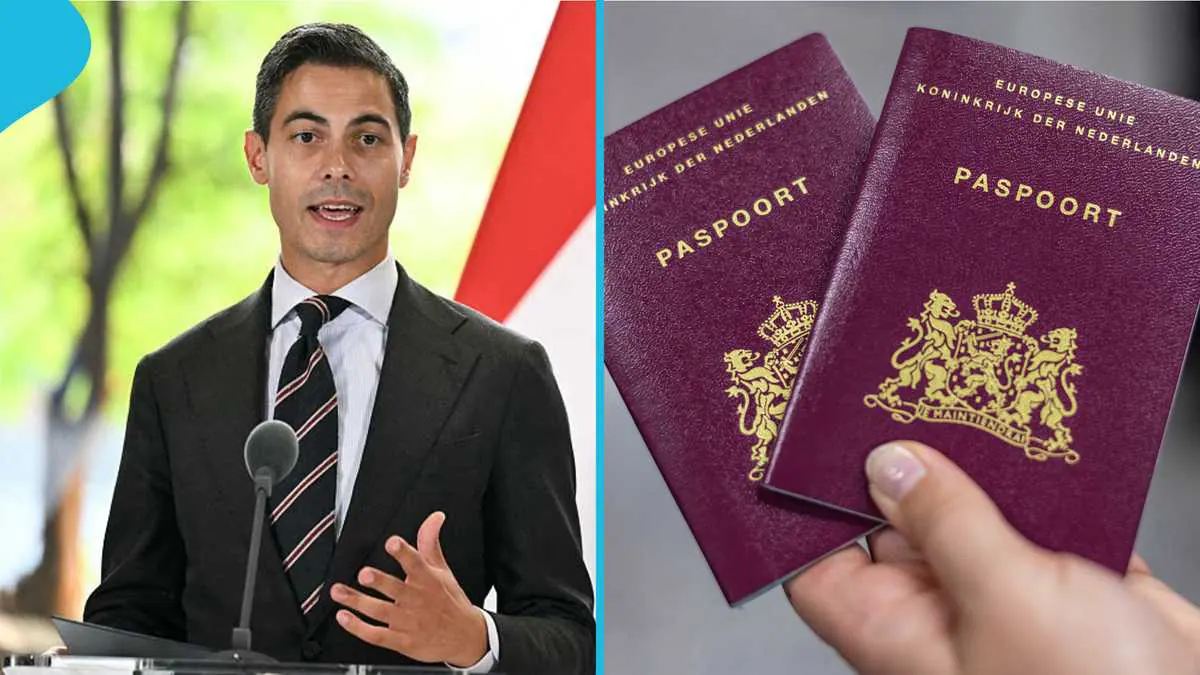
The Dutch Immigration and Naturalisation Service (IND) has published a list of six categories of foreign nationals who may be eligible for a humanitarian residence permit in the Netherlands. These permits are temporary and compassionate in nature, granted on humanitarian grounds where circumstances are not expected to be permanent. The IND oversees all applications under each of these categories and holds final authority in determining whether a permit is granted in each individual case.
The first category covers victims of human exploitation as well as witnesses who reported human exploitation incidents to the police. In such cases, the police notify the IND directly following a report, after which the IND determines whether a permit will be issued. This category aims to protect those who have been exploited and those who have come forward to report such incidents.
The second and third categories relate to children. The second category applies to children placed under the care of a family guardian by a Dutch court. Parents and siblings under 18 years of age may also apply once a child is granted a permit under this arrangement. The third category extends to children temporarily placed in a Dutch foster home or institution under the Hague Child Protection Convention. Both Dutch authorities and the child's country of origin must give prior approval.
The fourth category covers foreign nationals who are unable to leave the Netherlands through no fault of their own. Eligibility requires a confirmed identity and nationality, evidence that the individual made personal attempts to depart, and proof that they sought assistance from the Repatriation and Departure Service, which provides a supporting advisory opinion. This category ensures that individuals who are stranded in the Netherlands through no fault of their own have a chance to regularize their stay.
The fifth category is reserved specifically for Afghan minor girls already residing in the Netherlands who attend school and have become sufficiently integrated into Western life that return to Afghanistan is no longer considered a realistic option. Once a girl receives a permit under this category, her family members may also apply. This category acknowledges the difficulties faced by Afghan girls who have integrated into Dutch society.
The sixth and final category applies to foreign nationals in the Netherlands who are terminally ill. To qualify, the applicant must no longer be receiving curative medical treatment, with care restricted to palliative support only. The IND specifies that this category applies solely to individuals who will not recover from their condition. This category provides a compassionate response to individuals who are facing a terminal illness.
The IND's decision to grant a humanitarian residence permit is made on a case-by-case basis. Applicants must meet the specific criteria for one of the six categories, and the IND will assess each application on its individual merits. The Netherlands government has also previously announced other immigration-related policies, including an option route for certain individuals to apply for Dutch citizenship.
Key points
- The Dutch Immigration and Naturalisation Service has identified six categories of foreign nationals who may be eligible for a humanitarian residence permit.
- The categories include victims of human exploitation, children placed under Dutch court care, and terminally ill individuals.
- The IND oversees all applications and holds final authority in determining whether a permit is granted in each individual case.