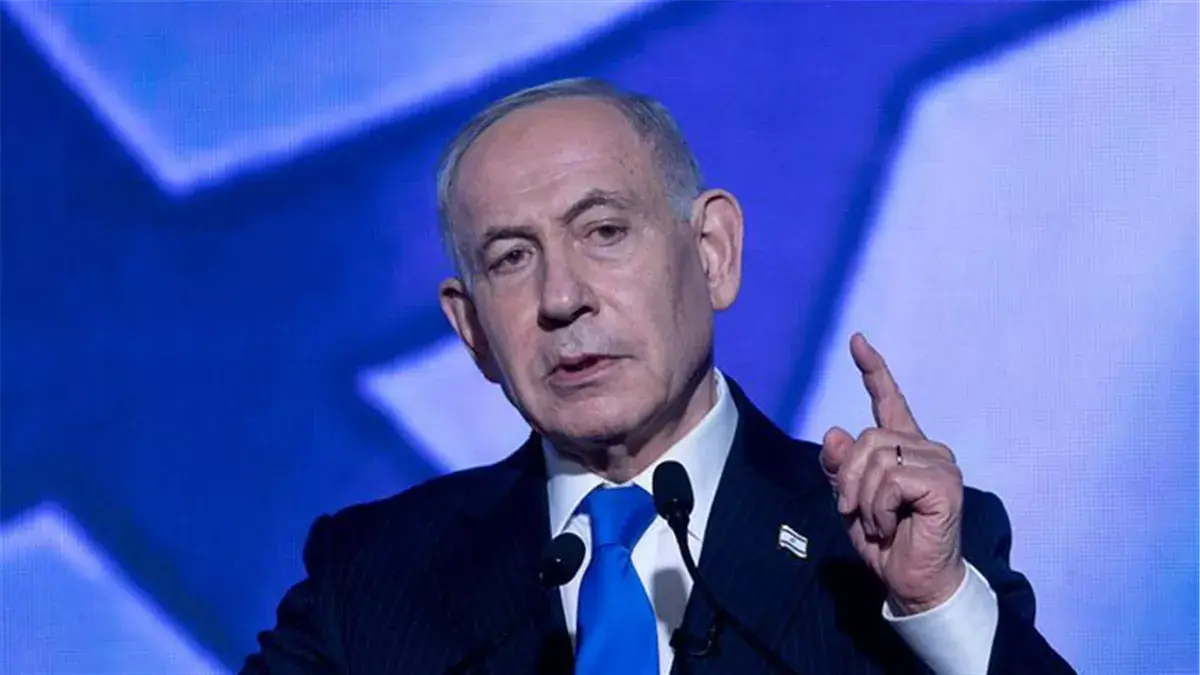
Israeli Prime Minister Benjamin Netanyahu stated on Friday that he will not form a new Israeli government with Arab lists. This announcement comes as the country's political landscape remains uncertain following the recent elections. The Central Elections Committee is set to present the final results on Wednesday, which will initiate consultations among blocs to appoint a candidate to form a government.
The recent elections for the Israeli Knesset, held in 2026, have resulted in a deadlock, with neither major camp achieving the required 61-seat majority to form a government. According to the official results announced by the Central Elections Committee on October 29, 2026, Netanyahu's bloc secured 53 seats, while the opposition bloc led by Gadi Eisenkot obtained 48 seats. The Arab parties achieved a record 19 seats.
The elections saw a record-high participation rate of 77.7%, the highest since 1999. With the current numbers, a complex round of negotiations and coalition-building is expected to begin. If an agreement cannot be reached, the options may include extraordinary understandings or heading to new elections. Netanyahu and his party, Likud, have accused the electoral process of being "stolen" and claimed widespread fraud and foreign interference.
The formation of a new Israeli government will require Netanyahu to engage in coalition talks with other parties. Given his statement, it is clear that he will not be seeking an alliance with the Arab lists. This decision may impact the prospects of forming a stable government, as Netanyahu's bloc currently falls short of the required majority.
The Arab parties' record 19 seats have made them a significant player in the Israeli Knesset. Their votes could potentially be crucial in forming a government, but Netanyahu has ruled out any collaboration with them. This stance may force him to seek alternative alliances or consider other options to secure the necessary seats.
The Israeli political landscape remains uncertain, with various scenarios possible in the coming days. Netanyahu's decision not to form a government with Arab lists has set the stage for complex negotiations. The outcome of these talks will determine the future of Israel's government and its leadership.
As the consultations begin, Netanyahu and other party leaders will need to navigate the complex web of alliances and rivalries to form a government. The success of these efforts will depend on their ability to find common ground and secure the necessary support. The fate of Israel's government hangs in the balance, as the country awaits the outcome of these critical talks.
Key points
- Netanyahu has ruled out forming a government with Arab lists.
- The recent elections resulted in a deadlock, with neither major camp achieving a majority.
- The Arab parties achieved a record 19 seats in the Israeli Knesset.