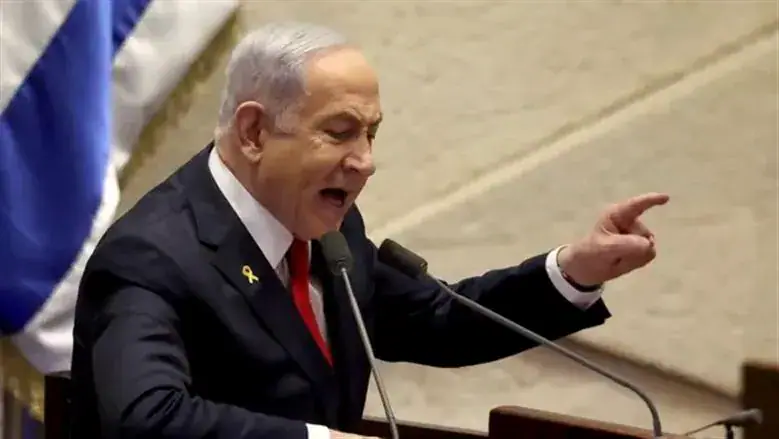
Israeli Prime Minister Benjamin Netanyahu is no longer just dealing with government formation negotiations, but also navigating challenges within the Knesset, Israel's parliament. The opposition is preparing to use its new parliamentary majority to launch political and legislative fronts that could change the balance of power in Israel. On Tuesday, November 10, 2026, the 26th Knesset convened, with Netanyahu finding himself in an unprecedented situation, maintaining his position as Prime Minister temporarily, while his camp lacks a parliamentary majority.
One of the key battles Netanyahu faces is the struggle for Knesset leadership. Opposition parties aim to oust Amir Ohana, a Netanyahu ally, and appoint a new speaker who would give them greater influence over the legislative agenda. According to The Times of Israel, changing the Knesset speaker would allow the opposition to move legislatively before forming a new government. This development could significantly impact Netanyahu's ability to push through his agenda.
Another challenge for Netanyahu is the potential dismantling of his judicial reform legacy. The opposition seeks to repeal some of the legislation passed by Netanyahu's government regarding the judicial system, which has sparked widespread division within Israeli society. As reported by Ynet, anti-Netanyahu forces are considering using interim parliamentary committees to accelerate this process. This could lead to significant changes in Israel's judicial landscape.
A third battle Netanyahu faces involves investigations into the events leading up to the October 7, 2023 attack, as well as reviews of laws regarding the conscription of Haredim and their exemptions from military service. These issues are highly sensitive, both politically and socially. However, these battles do not necessarily signify Netanyahu's fate, as divisions among opposition parties, particularly regarding cooperation with Arab parties, may hinder their efforts to present a united front.
The confrontation within the Knesset represents a dual test: the opposition's ability to translate its majority into tangible decisions and Netanyahu's capacity to maintain his influence amid declining parliamentary control. It remains to be seen how these dynamics will play out and what implications they will have for Netanyahu's leadership and the Israeli government.
The Knesset has become a new arena of pressure on Netanyahu, extending beyond being a mere parliament controlled by the opposition. The confrontation encompasses the leadership of the Knesset, review of judicial legislation, and examination of the events leading up to the October 7 attack. Despite losing his parliamentary majority, Netanyahu remains the Prime Minister of a caretaker government.
The outcome of these battles will likely have significant implications for Netanyahu's future and the direction of Israeli politics. As the opposition pushes forward with its agenda, Netanyahu must navigate these challenges while attempting to maintain his influence and control. The situation remains fluid, with various possible outcomes and uncertain consequences for Netanyahu and the Israeli government.
Key points
- Netanyahu faces opposition battles in parliament after losing his majority.