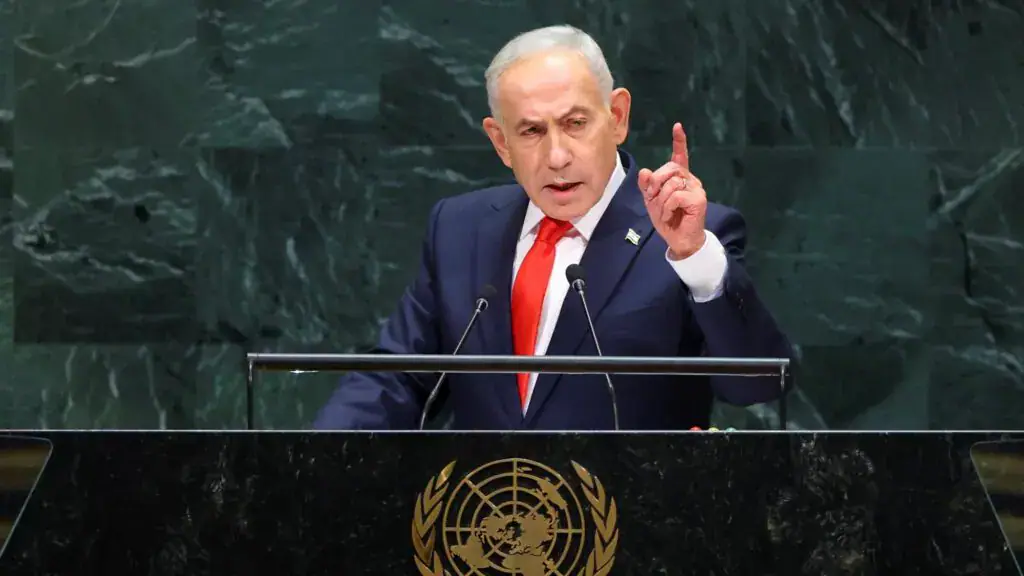
Israeli Prime Minister Benjamin Netanyahu delivered a robust defense of his country's military actions in a speech to the UN General Assembly. The speech was marked by controversy, with dozens of delegates walking out in protest as Netanyahu took the stage. The walkout was a reaction to Netanyahu's unapologetic stance on Israel's military campaigns in Iran, Gaza, and elsewhere in the Middle East. Netanyahu vowed to continue fighting, stating that Israel had no other choice but to pursue its objectives.
The speech was a direct response to criticisms of Israel's actions, particularly in Gaza. Palestinian President Mahmoud Abbas, addressing the UN via a video link, accused Israel of threatening the very existence of the Palestinian people. Abbas cited the expansion of Jewish settlements in the occupied West Bank and the humanitarian crisis in Gaza as evidence of Israel's hostile intentions. He also warned that these actions jeopardized the two-state solution, a formula for peace between Israel and the Palestinians that has international backing.
Netanyahu rejected accusations of genocide in Gaza, labeling them as baseless. He also launched a scathing attack on nations and leaders who have criticized Israel. The Israeli leader targeted Turkish President Recep Tayyip Erdogan, accusing him of supporting the Palestinian armed group Hamas. Erdogan, speaking at the UN, had expressed outrage over the injustices faced by those in Gaza and the West Bank, stating that they deeply offended humanity's conscience.
The Turkish presidency's communications director, Burhanettin Duran, responded sharply to Netanyahu's comments. Duran stated that the Israeli PM's use of the UN General Assembly podium to level baseless accusations against Turkey and Erdogan was incompatible with the UN's ideals of peace, law, and dialogue. Netanyahu's comments also drew criticism from New York City's left-wing mayor, Zohran Mamdani, who had previously vowed to arrest Netanyahu but later claimed he lacked the authority to do so.
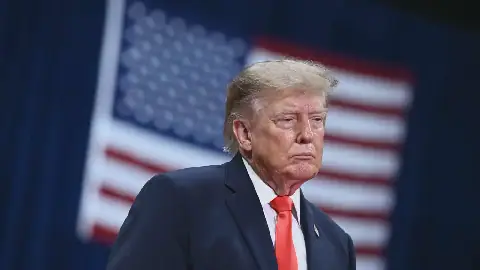
Netanyahu's speech was also notable for his expression of gratitude to US President Donald Trump for his bold leadership. The two leaders jointly launched air strikes against Tehran in February, which Netanyahu credited with protecting not only Israel but also saving civilization. The speech was seen as an attempt to appeal to both Israeli and American audiences, particularly with Israel facing growing isolation and Netanyahu facing a critical election at home next month.
The speech took place against a backdrop of heightened tensions between Israel and the international community. Netanyahu is subject to an International Criminal Court arrest warrant for alleged war crimes, and his speech was seen as an attempt to deflect criticism. The Israeli leader's comments drew a strong reaction from Mamdani's office, which stated that Netanyahu used his speech to repeat baseless lies meant to sanitize his actions against Palestinians.
The controversy surrounding Netanyahu's speech highlights the deep divisions in the international community over Israel's actions. The speech also underscores the challenges facing Netanyahu as he faces a critical election at home and growing criticism abroad. The incident serves as a reminder of the complex and contentious nature of the Israeli-Palestinian conflict, with no clear resolution in sight.
Key points
- Dozens of delegates walked out in protest during Netanyahu's speech to the UN General Assembly.
- Netanyahu rejected accusations of genocide in Gaza, labeling them as baseless.
- The speech was seen as an attempt to appeal to both Israeli and American audiences, particularly with Israel facing growing isolation and Netanyahu facing a critical election at home next month.