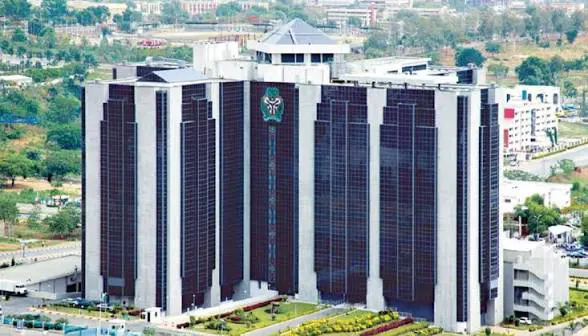
The Central Bank of Nigeria (CBN) has reported a significant increase in net foreign portfolio inflows into the country. Between January and August, the inflows reached $6.31 billion. This development was disclosed by Dr. Muhammad Sani Abdullahi, Deputy Governor, Corporate Services, at a seminar organised by the CBN for the Finance Correspondent Association of Nigeria (FICAN). The seminar aimed to discuss the current state of the Nigerian economy and the CBN's strategies to sustain growth.
According to Abdullahi, the sources of foreign exchange in Nigeria have undergone a notable shift. Remittances through International Money Transfer Operators (IMTOs) reached $950 million in July. This increase in remittances has contributed to the overall improvement in the country's foreign exchange market. The CBN has been implementing measures to boost foreign exchange inflows and stabilize the market.
The total inflows recorded in July were $10.82 billion, with $7.33 billion, or nearly 68%, coming from autonomous sources. This indicates a significant reduction in the market's reliance on direct CBN provision. The Deputy Governor emphasized that portfolio flows can be volatile, but the broader improvement in supply has helped to stabilize the market.
Nigeria's external buffers have also strengthened, with gross reserves standing at $55.60 billion as of September 11. The end-August stock provided 11.3 months of import cover, indicating a significant improvement in the country's external position. This development has helped to boost confidence in the economy and attract foreign investment.
The foreign exchange market has shown greater stability in the last three years, with the average gap between official and parallel rates narrowing significantly. The gap fell from 68.2% in January to May 2023 to less than 2%. This narrow gap provides businesses with a more reliable basis for pricing and planning, which is essential for economic growth.
To achieve Nigeria's aspiration of building a one-trillion-dollar economy by 2030, the CBN believes that banks must be capable of mobilizing and allocating capital on a much larger scale. Stronger capital buffers will enable banks to finance long-term infrastructure, support industrial expansion, facilitate international trade, and compete more effectively in regional and global markets.
The CBN has emphasized the need for banks to invest in fintech, cybersecurity, data protection, disaster recovery, and business continuity. As more financial services move to digital channels, banks must prioritize innovation while ensuring public trust. The regulator will continue to emphasize risk-based supervision, macroprudential surveillance, and enhanced stress testing to ensure the stability of the financial system.
Key points
- Net foreign portfolio inflows into Nigeria reached $6.31 billion between January and August.
- Nigeria's gross reserves stood at $55.60 billion as of September 11.
- The foreign exchange market has shown greater stability, with the average gap between official and parallel rates narrowing to less than 2%.