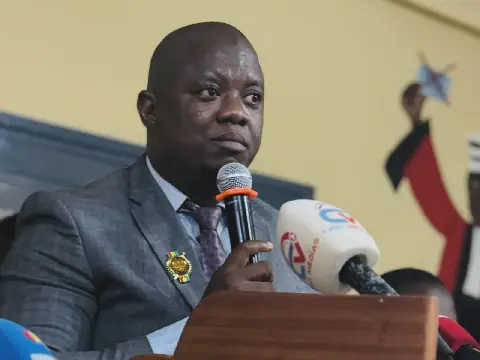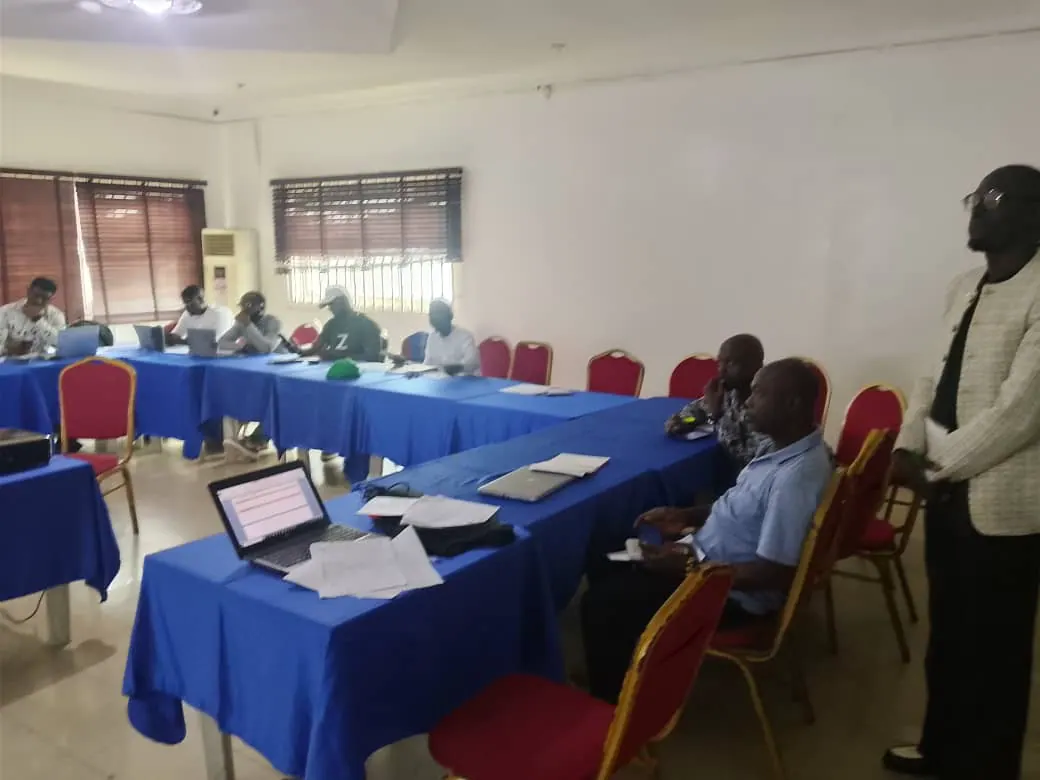
The National Coordinator of the Network of People Living with HIV and AIDS in Nigeria (NEPWHAN), Mr. Ibrahim Abdulkadir, has called for increased media participation in addressing healthcare delivery challenges in Edo State. Abdulkadir made the call during a media roundtable on Communicating Community-Led Monitoring (CLM) Advocacy for Media Action, organised by NEPWHAN in Benin City. The roundtable aimed to examine healthcare challenges identified through community-led monitoring and explore ways the media could contribute to advocacy, public awareness, and accountability in the state’s healthcare system.
The CLM initiative focuses on gathering evidence from healthcare users, identifying service delivery gaps, and engaging relevant authorities to improve access to quality healthcare. According to Friday Osayande, the Edo State Coordinator of NEPWHAN, the initiative has been operating across Edo State, gathering insights into healthcare challenges faced by patients. Osayande provided an overview of the CLM initiative, highlighting its role in improving healthcare services.
Ngozi Fapohunda, Monitoring and Evaluation officer at NEPWHAN, highlighted the role of community-based organisations in monitoring healthcare facilities and documenting the experiences of people living with HIV (PLHIV) and other vulnerable groups. The CLM initiative involves organisations such as Global Women for Quality and Sustainable Development (GWSD), Amber Care & Right Development Initiative (ACRDI), and Access to Health and Rights Development Initiative (AHRDI), which work with communities to identify challenges and advocate solutions.
Findings from the CLM activities identified several challenges affecting healthcare delivery in Edo State, including long distances to access antiretroviral therapy (ART) and TB services, frequent stock-outs of essential commodities, inadequate infrastructure in public healthcare facilities, and shortages of medical personnel. The presentation also highlighted persistent stigmatisation of vulnerable groups and inadequate access to healthcare, which could lead to delayed treatment initiation and potential drug resistance.
The CLM initiative gathered over 5,800 Community Evidence Indicators (CEIs), conducted focus group discussions with PLHIV and key populations, and undertook supportive supervision visits across healthcare facilities in the state. Approximately 50 supportive supervision visits were conducted across 30 healthcare facilities, alongside 12 focus group discussion sessions involving community members. The engagements focused on establishing additional ART centres, renovating and equipping primary healthcare facilities, and increasing awareness of TB.
The presentation disclosed that 21 issues were identified through the monitoring exercise, leading to 12 advocacy engagements, with seven issues resolved and 14 still pending. Among the successes recorded was the intervention of the National Human Rights Commission in addressing cases of gender-based violence (GBV) and gender and human rights violations against vulnerable women in Auchi. The commission secured signed commitment forms from perpetrators and connected survivors to counselling services.
Despite these achievements, the CLM initiative identified several unresolved challenges requiring urgent intervention by the state government and other relevant stakeholders. These include deteriorating infrastructure at primary healthcare centres and General Hospital, Ekpoma, and frequent stock-outs of essential commodities, including malaria test kits. The media is being urged to support advocacy efforts to address these challenges and improve healthcare services in Edo State.
Key points
- NEPWHAN urges media support to address healthcare gaps in Edo State.
- The CLM initiative has identified several challenges affecting healthcare delivery in Edo State.
- The initiative has achieved some successes, including the expansion of the ART clinic at Stella Obasanjo Hospital.